Women of the American Revolution
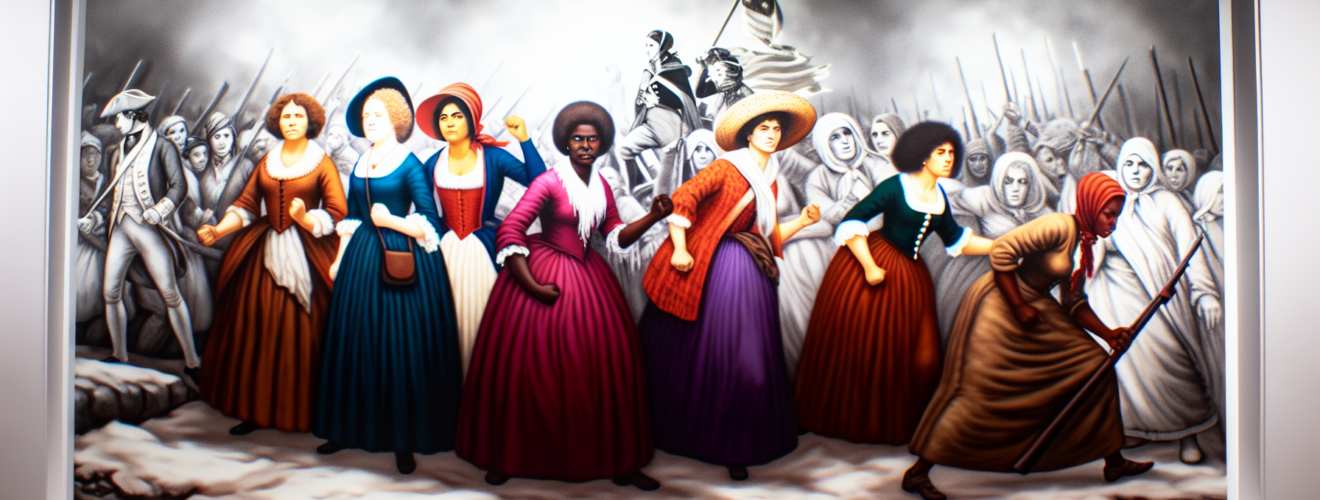
History books often focus on a small group of men. We learn about George Washington and Thomas Jefferson. We hear about the brave soldiers who fought for liberty. However, the American Revolution was not won by men alone. Women were a major force in the fight for freedom. They worked in homes and on battlefields. They wrote letters and published plays. Their efforts were vital to the success of the new nation. To understand the war, we must look at these women. They did more than just wait for their husbands to return. They shaped the political and social life of the colonies. Their stories give us a better view of our past. By looking at their lives, we see a more complete picture of the struggle for independence.
The Power of the Domestic Sphere
Before the first shots were fired, women were already fighting. They used their power as consumers to push for change. The British government placed high taxes on goods like tea and cloth. In response, women led large boycotts. They refused to buy British products. This was a bold political act. It showed that the colonies could be self-sufficient. Women took pride in making their own goods. They held spinning bees to create “homespun” cloth. This movement was both economic and symbolic. It allowed families to show their support for the patriot cause. Every piece of cloth made at home was a sign of defiance. This work kept the colonial economy alive while hurting British trade. It proved that the domestic space was a site of political power.
Economic resistance was not the only way women helped at home. When men left to fight, women took over their duties. They managed farms, shops, and large estates. They handled finances and made tough business choices. These roles were often new to them. Yet, they succeeded in keeping their families and the economy afloat. This shift in duty changed how women saw themselves. They proved they could handle complex tasks. Their hard work ensured that there was food and money for the war effort. Without this support, the colonial army might have failed. The domestic front was just as important as the military front. These women kept the dream of a new nation alive through their daily labor.
Intellectual and Political Influence
Women also fought the war with their minds. Many women were deep thinkers who wrote about liberty. Mercy Otis Warren is a prime example. she was a talented writer and a close friend of John Adams. Warren wrote plays that mocked British leaders. Her work helped to turn public opinion against the Crown. She was also one of the first people to write a history of the Revolution. Her books gave a unique view of the war. She argued for the rights of all people. Her voice was strong and clear. She used her skills to inspire others to join the cause. Her writing showed that women could contribute to the political debate. She was a key figure in the intellectual birth of the United States.
Abigail Adams was another influential woman of the era. She is well known for her letters to her husband. She gave him advice on many important issues. In one famous letter, she told him to “remember the ladies.” She warned that women would not follow laws that did not represent them. She was a vocal advocate for women’s rights and education. She understood that a free nation needed educated citizens. Her letters show a deep grasp of politics and law. She was a true partner to her husband in his public life. Her ideas helped shape the values of the new republic. Women like Adams and Warren proved that the pen was as mighty as the sword. They helped define what it meant to be a citizen in a free land.
Women on the Front Lines
Some women took their support even further. They joined the army as camp followers. These women were often the wives or daughters of soldiers. They did essential work that the army could not do alone. They cooked meals and washed clothes for the troops. They also served as nurses for the sick and wounded. This work was dangerous and hard. Camp followers lived in the same harsh conditions as the soldiers. They faced hunger, cold, and disease. Their presence helped to boost the spirits of the men. They provided a sense of home in the middle of a war. George Washington saw their work as vital for the army. These women were not official soldiers, but they were part of the military machine. They kept the army moving through the long years of the war.
A few women chose to fight as soldiers. Deborah Sampson is one of the most famous. She dressed as a man and joined the army under a false name. She fought in several battles and was even wounded. She kept her secret for a long time. When her true identity was found, she received an honorable discharge. Another brave woman was Margaret Corbin. She joined her husband at the Battle of Fort Washington. When he fell in battle, she took over his cannon. She continued to fire at the enemy until she was badly hurt. She was the first woman to receive a military pension from the government. These women broke the rules of their time. They showed great courage and skill on the battlefield. Their actions challenged the idea that women were weak or passive.
Diverse Voices in the Struggle
We must also remember the roles of marginalized women. Enslaved women faced a unique challenge during the war. Some saw the Revolution as a chance for their own freedom. Phillis Wheatley was a famous poet of the time. She was the first African American woman to publish a book. Her poems praised the cause of liberty. She wrote to George Washington and earned his respect. Her work showed the world that enslaved people had great talent and intellect. At the same time, many enslaved women sought freedom by fleeing to the British lines. They hoped the British would grant them the liberty the Americans spoke of. Their struggle for freedom was part of the larger story of the era. Their voices add depth to our understanding of what liberty meant in 1776.
Native American women also played complex roles. In many tribes, women held high status and political power. They had to decide which side to support in the war. Some tribes, like the Oneida, helped the American forces. Women in these tribes provided food and warnings about British moves. Other tribes stayed loyal to the British. Mary Brant was a Mohawk woman with great influence. She used her power to keep the Iroquois loyal to the Crown. She helped provide supplies and news to British troops. These women fought to protect their land and their way of life. Their choices had a big impact on the outcome of the war in the west. Their stories remind us that the Revolution affected everyone on the continent.
Conclusion: The Legacy of Revolutionary Mothers
The American Revolution changed the lives of women forever. It did not grant them the right to vote or hold office right away. However, it did change how society saw their role. A new idea called “Republican Motherhood” began to grow. This idea stated that women were responsible for raising the next generation of citizens. They needed to be educated so they could teach their children about virtue and liberty. This was a step toward better education for girls. It gave women a formal role in the political life of the nation. They were seen as the moral heart of the country. This change was slow, but it laid the ground for future fights for equality. The revolution was a starting point for many social shifts.
Women were essential to every part of the war. They were activists, writers, nurses, and soldiers. They kept the economy running and managed the home front. They shared their ideas and took bold risks. The names we know, like Martha Washington, represent only a small part of the story. There were thousands of others whose names are lost to time. We must honor their hard work and bravery. They helped build the foundation of the United States. Their legacy is seen in the rights and freedoms we have today. By learning their stories, we gain a truer sense of the American spirit. The Revolution was a shared effort that required the strength of all people. Women proved they were up to the task.
Sources
- KLEPP, S. E. (2006). [Review of Revolutionary Mothers: Women in the Struggle for America’s Independence, by C. Berkin]. Pennsylvania History: A Journal of Mid-Atlantic Studies. http://www.jstor.org/stable/27778723
- Gundersen, J. R. (2006). To be useful to the world: Women in revolutionary America, 1740-1790. University of Virginia Press.
- Kerber, L. K. (1980). Women of the Republic: Intellect and ideology in revolutionary America. University of North Carolina Press.
- Norton, M. B. (1980). Liberty’s daughters: The Revolutionary experience of American women, 1750-1800. Little, Brown.