Understanding Tariffs and Their Effect on Consumer Prices
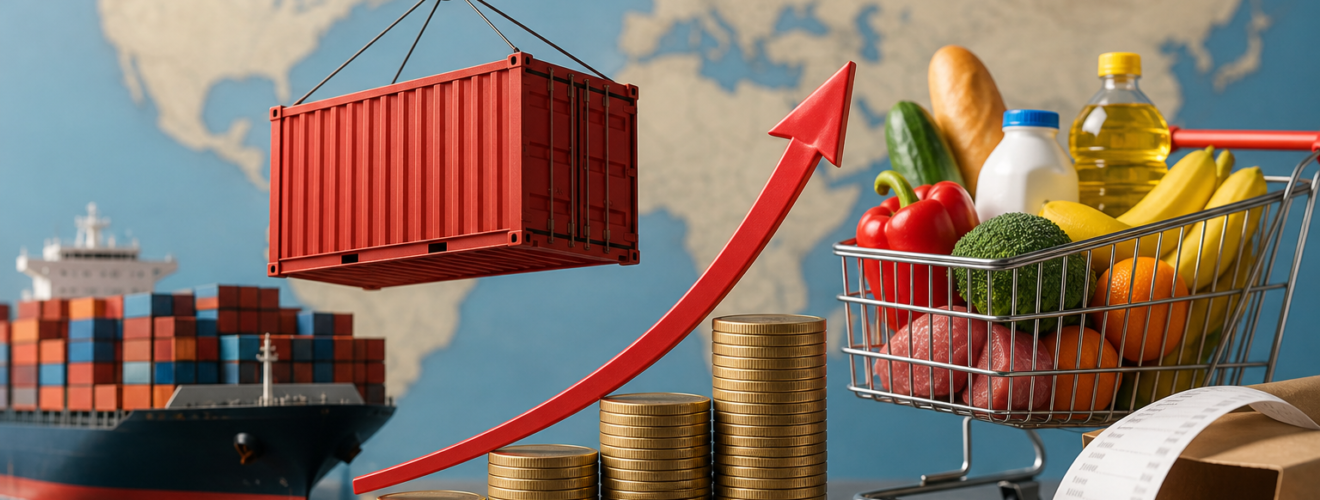
A tariff is a tax that a government places on goods from other countries. These taxes are common in global trade. Governments use them to achieve several goals. Some use them to raise money. Others use them to protect local businesses from foreign firms. While the goals may vary, the results are often the same. Tariffs change the way markets work. They alter the flow of goods across borders. Most importantly, they change the prices that people pay for products. To understand how this works, we must look at the path of a product. We must see how a tax at the border moves through the economy. This article will explain the link between trade taxes and the cost of living. It will also show how these costs affect the daily life of a consumer.
The Purpose and Mechanics of Tariffs
Types of Tariffs
There are two main types of tariffs used by states today. The first is called an ad valorem tariff. This is a tax set as a percentage of the value of the good. For example, a state might place a ten percent tax on imported cars. If the car is worth twenty thousand dollars, the tax is two thousand dollars. The second type is a specific tariff. This is a flat fee based on the item itself. It does not matter how much the item is worth. A state might charge five dollars for every ton of steel brought into the country. Both types aim to make foreign goods more expensive. This makes local goods look like a better deal. When the price of a foreign item goes up, people are less likely to buy it. This helps local firms keep their market share. It also keeps jobs within the home country.
Why Governments Use Them
Governments often use tariffs as a tool for policy. One reason is to help new industries grow. A new company may not be able to compete with a large global firm. By taxing the foreign firm, the government gives the local company a chance to start. This is often called the infant industry argument. Another reason is to stop unfair trade. Sometimes, foreign firms sell goods at very low prices to drive others out of business. Tariffs can stop this by raising the price back up. Lastly, tariffs are used for national security. A country may want to make its own food or fuel. They use tariffs to ensure they do not rely on other nations for these needs. However, these choices come with a cost. While they help some workers, they often hurt the buyer at the store.
How Tariffs Reach the Consumer
The Pass-Through Effect
When a tariff is applied, the importer must pay the tax to the government. This importer is usually a large firm or a retail brand. The tax adds to the cost of doing business. Firms have three choices when their costs go up. First, they can pay the tax and take less profit. This is rare because firms want to stay healthy. Second, they can find a new supplier who is not taxed. This can be hard and may take a long time. Third, they can raise the price of the goods they sell. This third choice is very common. It is called the pass-through effect. The firm passes the cost of the tax down to the buyer. This means the person at the store pays the tariff in the form of a higher price. Even though the buyer did not pay the tax to the government, they still feel the loss of money.
Intermediate Goods and Prices
Many people think tariffs only hit finished goods like shoes or phones. This is not the case. Many tariffs are placed on raw materials. These are called intermediate goods. Examples include steel, aluminum, and crops like soy. When these items are taxed, the cost of making other things goes up. A car maker needs steel to build a frame. If the steel costs more, the car will cost more. A food company needs grain to make cereal. If the grain is taxed, the cereal box gets more expensive. These hidden costs are hard for buyers to see. They might not know why their car or food costs more. They only see the higher price at the register. Because so many things are made from a few basic materials, a small tariff on one item can raise prices for hundreds of others.
The Impact on Market Competition
Reduced Choice and Quality
Tariffs do more than just raise prices. They also change the variety of goods in a shop. When a tax is too high, some foreign firms may stop selling in that country. This means there are fewer brands for the buyer to choose from. With less competition, local firms do not have to work as hard. They might not innovate as much. They might also let the quality of their goods drop. In a free market, firms compete to give the best value. They want to offer the best item for the lowest price. A tariff removes this pressure. It protects local firms from the need to improve. As a result, the consumer pays more for an item that might be worse than the one they could have had. This loss of choice is a major downside of trade barriers.
The Domestic Price Rise
One might think that local goods would stay cheap when foreign goods are taxed. This is often not true. When the price of a foreign item goes up, local firms often raise their own prices. They do this to make more profit. If a foreign car now costs thirty thousand dollars due to a tax, a local firm might raise its price to twenty-nine thousand. They are still cheaper than the foreign firm, so people will still buy from them. However, the price is still higher than it was before the tariff. This is an indirect effect of trade policy. It allows local firms to hike prices because the foreign competition is no longer a threat. In the end, the consumer loses no matter which product they choose. The floor for prices in the whole market has shifted upward.
The Broad Economic Outcome
Tariffs create a complex web of winners and losers. The winners are usually the protected industries and the government that gets the tax money. The losers are the consumers who must pay more for daily goods. Studies show that these taxes often act like a regressive tax. This means they hit lower-income families the hardest. These families spend a larger part of their money on goods like clothes and food. When these items go up in price, these families have less money for other needs. This can slow down the whole economy. If people spend more on basics, they spend less on services like dining or travel. This can lead to job losses in other parts of the market. While a tariff might save jobs in one factory, it might cost jobs in many shops and restaurants.
In the long run, high tariffs can lead to trade wars. Other countries may get angry and place their own taxes in return. This makes it hard for local firms to sell their goods abroad. This cycle can hurt global growth. It makes the world less connected and less wealthy. For the consumer, the result is clear. Trade barriers lead to higher costs and fewer options. While they may be used for good reasons, they always have a price. That price is paid every day by people when they buy what they need. Understanding this helps us see the true impact of trade policy on our lives.
Sources
Amiti, M., Redding, S. J., & Weinstein, D. E. (2019). The impact of the 2018 tariffs on prices and welfare. Journal of Economic Perspectives, 33(4), 187-210. https://doi.org/10.1257/jep.33.4.187
Congressional Budget Office. (2020). The effects of tariffs and trade barriers on economic activity. Government Publishing Office.
Feenstra, R. C., & Taylor, A. M. (2021). International trade (5th ed.). Worth Publishers.
World Trade Organization. (2022). World trade report 2022: Business services in the global economy. WTO Publications.