How Geography Shapes the Daily Lives of Filipinos
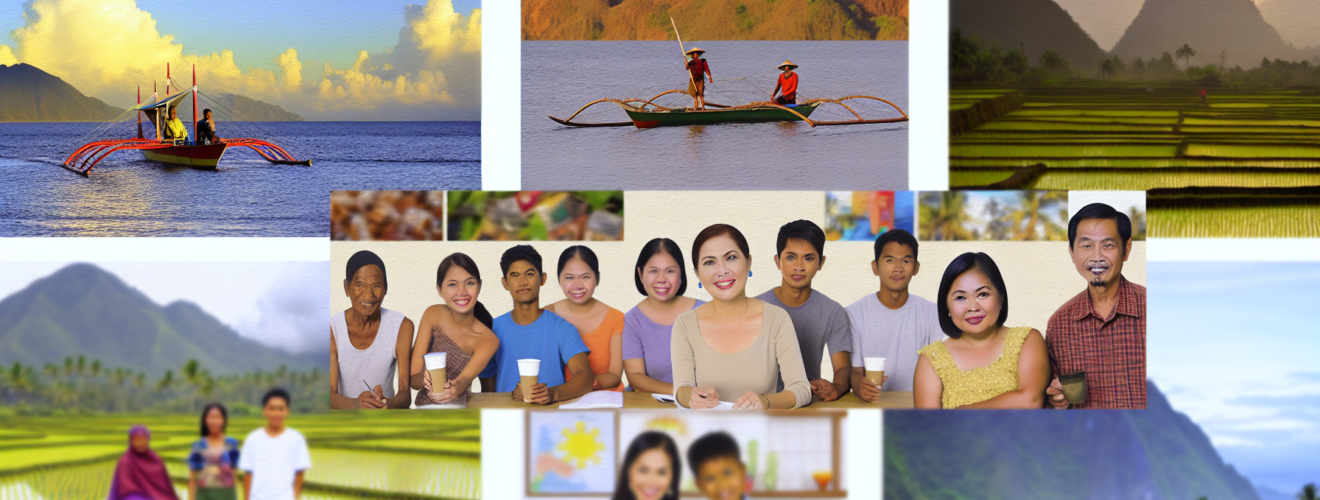
The Philippines is a nation defined by its unique physical form. It consists of over seven thousand islands set in the Pacific Ocean. This archipelagic state presents a complex mix of land and sea. For the people who live there, geography is not just a background. It is a force that dictates their daily routines. The way Filipinos move, work, and eat is tied to the earth beneath them. The ocean and the mountains create a distinct way of life. This article explores how these physical traits shape the modern Filipino experience. It looks at how the land affects travel, food, and social bonds.
The Impact of Archipelagic Connectivity
The fragmented nature of the land is the most striking feature of the country. With so many islands, the sea acts as both a bridge and a wall. For many Filipinos, the daily commute involves water. In rural areas, small boats are as common as cars. People use these vessels to go to school or buy goods. This maritime life creates a strong bond with the ocean. However, it also creates challenges for trade. Moving products from one island to another takes time and money. This leads to differences in the price of goods across the nation. A simple meal might cost more in a remote island than in a city on the main land.
Maritime Travel and Local Logistics
Transport in the Philippines is a direct response to its geography. In large islands like Luzon, buses and trains are the primary modes of travel. But for those in the Visayas, ferries are the lifeblood of the region. These vessels carry people and cargo across deep blue channels. The schedule of the sea often dictates the schedule of the person. If the waves are too high, life pauses. This reality has fostered a sense of patience among the people. They understand that nature has the final say in their plans. Modern ports and bridges are being built to close these gaps. Yet, the vast sea remains a constant factor in how people view distance and time.
Climate and the Rhythms of Labor
The tropical climate of the Philippines is another major geographic factor. The country experiences high heat and heavy rain throughout the year. This weather pattern shapes the work day for millions of people. Most Filipinos are engaged in farming or fishing. These jobs depend heavily on the seasons. During the wet season, farmers focus on rice, which thrives in water. In the dry season, they may switch to other crops. The heat of the midday sun also affects how people manage their energy. It is common to see a slower pace of work during the hottest hours. This is a logical adaptation to a harsh sun that can sap one’s strength quickly.
The Challenge of the Typhoon Belt
The Philippines sits in a path that many storms follow every year. This geographic placement means that typhoons are a regular part of life. For a Filipino, a storm is not just a news event. It is a seasonal reality that requires constant readiness. Houses are often built to withstand strong winds or are made of light materials that are easy to fix. This constant threat has created a culture of resilience. People have learned to rebuild their lives with speed and grace. The geography of the Pacific forces a state of constant vigilance. It also encourages communities to help one another. This spirit of cooperation is a direct survival tool in a land of frequent storms.
Topography and Cultural Diversity
The mountains of the Philippines are as significant as its seas. High mountain ranges run through the center of many islands. These peaks have historically acted as barriers between groups of people. Because of this, the Philippines is home to many different languages and customs. A person from the mountains of the north has a different way of life than someone from the plains. These physical barriers allowed local cultures to grow in isolation. Today, this results in a rich mix of traditions. Even as modern tech connects the nation, regional pride remains strong. Geography has preserved the unique identity of each province.
Agriculture in the Highlands
In the high regions, the land dictates a different kind of farming. The famous rice terraces are a prime example of this. Filipinos carved these fields into the mountainsides centuries ago. This was a way to use steep land for food. Today, these areas produce cool-weather crops like lettuce and strawberries. The geography of the highlands creates a different diet for those who live there. It also attracts tourists from the warm lowlands. The mountains offer a refuge from the tropical heat. This shows how the varied land provides different gifts to the people based on where they stand.
The Influence of the Ring of Fire
The Philippines is located on the Pacific Ring of Fire. This means the land is geologically active. Volcanoes and earthquakes are part of the geographic profile. While these can be dangerous, they also provide benefits. Volcanic soil is very rich and good for plants. This is why many people live near the base of volcanoes. They accept the risk for the sake of the fertile earth. Additionally, the heat from the earth is used for energy. The Philippines is a global leader in using steam from the ground to make power. This shows a smart use of a risky geographic feature to improve daily life.
Urbanization and Coastal Living
Most major cities in the Philippines are located along the coast. This is because the sea was the first highway for trade. Cities like Manila and Cebu grew because of their harbors. Today, millions of people live in these crowded coastal hubs. The geography of the coast provides jobs in shipping and fishing. However, it also makes these cities prone to rising sea levels. The daily life of a city dweller involves navigating both modern traffic and the natural limits of the shore. The struggle to find space in a crowded island nation is a core part of the urban experience. Geography limits how far a city can grow before it hits the sea or the hills.
Conclusion
In conclusion, the geography of the Philippines is the primary architect of its culture. The archipelagic layout creates a unique maritime lifestyle. The tropical climate and the storm belt foster a spirit of resilience and care. Mountains have carved out a diverse set of regional identities. Meanwhile, the geologic activity of the region provides both challenges and resources. To live in the Philippines is to live in constant dialogue with the land and sea. This relationship shapes the food people eat, the way they travel, and how they view the world. Geography is not just a map of the islands; it is the soul of the Filipino daily experience.
Sources
Abad, R. G. (2015). The Filipino social landscape: A study of archipelagic society. Journal of Philippine Studies, 12(3), 45-62.
Corpuz, O. D. (1997). An economic history of the Philippines. University of the Philippines Press.
Lanuza, G. M. (2018). Environmental hazards and the Filipino family: A geographic perspective. Philippine Social Science Journal, 21(1), 88-105.
National Economic and Development Authority. (2021). The Philippine development plan: Strategic geography and infrastructure. Government of the Philippines.
Pante, M. D. (2019). The sea as a highway: Maritime history and daily life in the Visayas. Maritime Studies Quarterly, 5(2), 112-130.
Ramos, A. F. (2020). Volcanoes and valleys: The tectonic impact on Philippine agriculture. Agricultural Geography Review, 33(4), 210-225.