How Geography Shapes Culture: The Impact of Mountains and Oceans
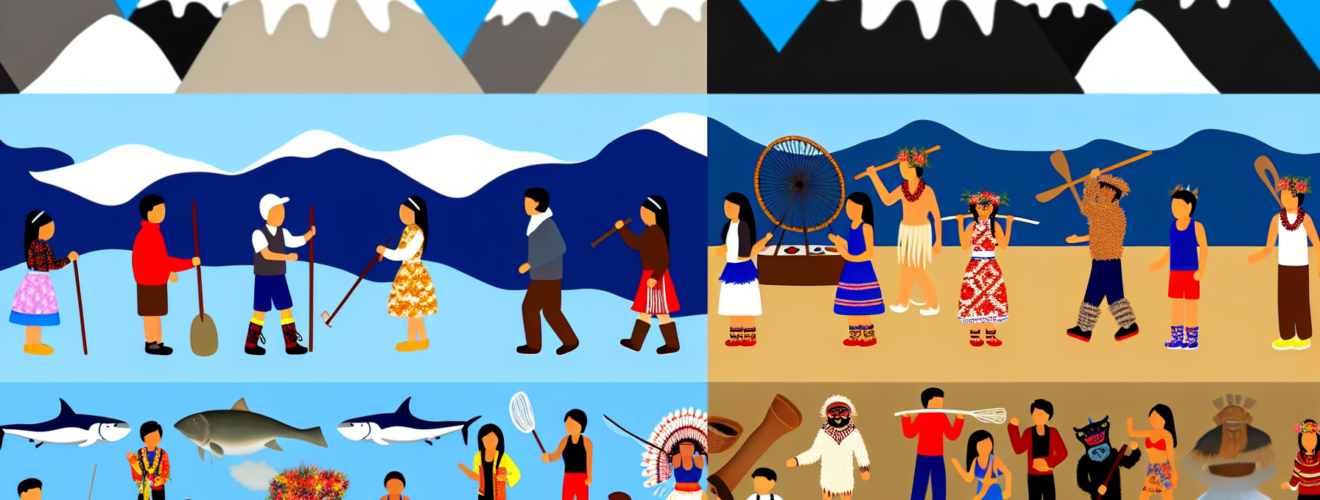
Human culture is not a random set of traits. It is the result of people living in specific places. The land shapes the people as much as the people shape the land. This study of how nature guides social growth is vital. It helps us understand why humans live in so many different ways. Among all the factors of nature, mountains and oceans are the most important. They define the boundaries of our world and the paths of our progress. By looking at these features, we see how they mold the human spirit. Culture grows out of the soil and the sea. It is a mirror of the physical world that surrounds us.
The Power of Mountains: Isolation and Tradition
Mountains act as natural walls. Their height and steep slopes make travel a great challenge. For many centuries, these landforms kept groups of people apart. When a group is cut off from others, it tends to stay the same. This isolation is the key to cultural diversity. In the high valleys of the world, we find hundreds of unique languages. These groups did not mix with their neighbors. As a result, they kept their own old ways of life. Mountains protect these customs from the outside world. They act as a shield for ancient habits. This is why mountain cultures often feel very distinct from the rest of the country.
Mountains as Cultural Refuges
Many groups move to the mountains to find safety. These high areas are hard for armies to reach. This makes the mountains a refuge for small groups. These people can keep their faiths and laws safe from outside rule. This creates a culture of strong independence. People who live in the mountains often value their freedom above all else. They are proud of their history and their ability to survive in a harsh world. This bond with the land defines who they are. They see the mountain as a protector and a home. Such societies often maintain social structures that have vanished elsewhere.
The Economy of High Altitudes
The terrain also shapes how people work. Farming is hard on steep slopes. Therefore, mountain cultures often focus on raising animals. Raising sheep and goats requires people to move with the seasons. This leads to a way of life that is tied to the weather and the earth. Such groups are often very hardy and self-reliant. Their trade is usually local rather than global. This focus on the local area keeps their traditions strong and stable over many generations. They rely on the land and their own strength to build a life. This economic reality reinforces their cultural identity.
The Influence of Oceans: Connection and Change
Oceans play the opposite role of mountains. While the sea is vast, it acts as a highway. From the start of history, humans have used ships to cross the water. The sea connects distant lands and different peoples. This leads to a culture of change and openness. People who live near the coast are often the first to see new goods and ideas. They are used to meeting people who are different from them. This makes coastal societies more diverse and fluid. The ocean is a bridge to the rest of the world. It invites exploration and the mixing of many different beliefs.
The Rise of Maritime Trade
The need for trade shapes the maritime mind. To sail the sea, a society must learn to build ships. They must also learn to navigate by the stars. These skills require science and math. As a result, coastal cultures often value education and progress. They look toward the horizon for their wealth. This outward focus creates a spirit of risk and adventure. Many of the world’s greatest empires grew because they could control the sea. This power changed how they saw themselves and the world. They became citizens of a larger global space. Their laws and art reflect a wide view of humanity.
Islands and the Sea
Island nations show a unique mix of these traits. They are cut off by the water, like mountain valleys. Yet, they are also connected to the world by the sea. This creates a culture that is both very unique and very open. Island people often have a deep respect for the ocean. It is their source of food and their path to the rest of the world. Their art and stories often reflect this deep bond. They are masters of their small home but also citizens of the wide blue world. They know the value of both land and water. This balance makes island cultures some of the most resilient on earth.
Conclusion: Geography in a Modern World
In our modern age, technology has changed how we see geography. We can fly over mountains and sail across oceans in hours. However, the old paths still matter. The culture of a mountain valley or a port city does not vanish overnight. It is built into the way people think and act. Geography is the foundation upon which the house of culture is built. By studying these landforms, we gain a deeper view of the human story. We see that we are all products of the earth beneath our feet. Our world is shaped by the stone of the peaks and the salt spray of the sea. These physical forces continue to guide our social evolution.