
The Ring of Fire: Why the Philippines is Prone to Natural Disasters
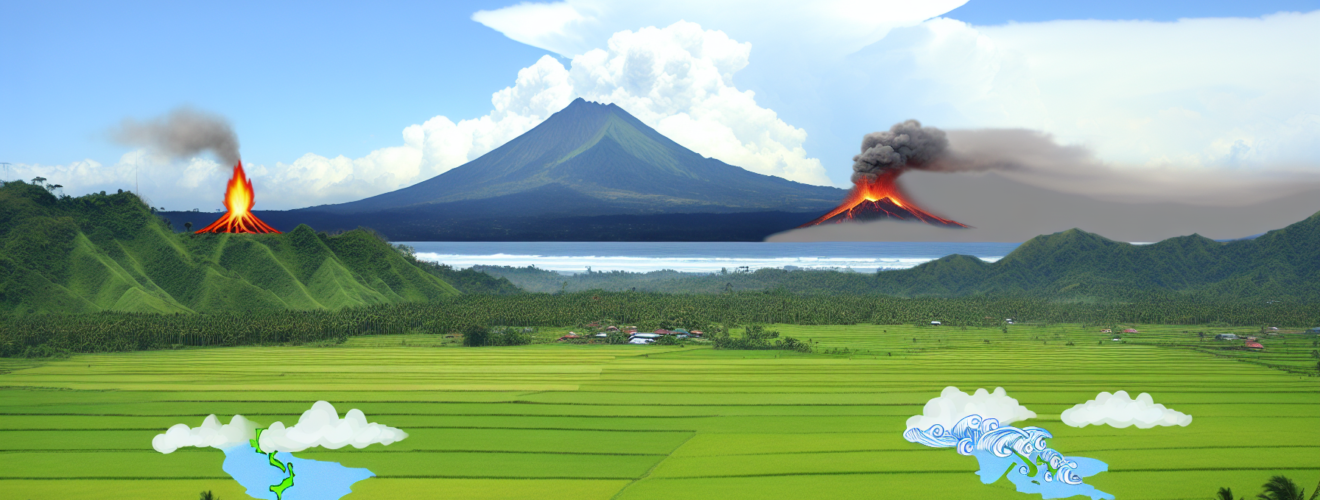
The Philippines is a nation of great natural beauty. It is an archipelago in the heart of Southeast Asia. It has over seven thousand islands. This unique geography comes with many risks. The country is a prime example of a high-risk zone. Most of these risks come from its location. It sits along the Pacific Ring of Fire. This area is known for its heavy seismic activity. It is a place where the Earth is always moving. The nation faces threats from both the land and the sea. These include earthquakes and volcanic eruptions. It also includes powerful tropical storms. To understand these events, one must look at the science of the Earth. This article will explore the factors that make the Philippines prone to disasters. It will examine the ground beneath and the air above. It will also discuss how the nation stays strong in the face of these trials.
Geological Foundation and the Ring of Fire
The Pacific Ring of Fire is a vast path along the Pacific Ocean. It is shaped like a large horse shoe. This zone is where most of the world’s volcanic eruptions occur. It is also where the vast majority of earthquakes take place. The Philippines lies right in the middle of this active zone. The crust of the Earth is not a single piece. It is made of several large plates that float on the mantle. These are called tectonic plates. The movement of these plates is the main cause of natural events. For the Philippines, this movement is constant and complex. The country sits at a crossroads of major plate boundaries. This makes the ground unstable. The energy from these plates must go somewhere. Often, it is released as heat or motion. This is the reality of living in a geological hot spot.
The Role of Tectonic Plate Boundaries
The Philippines is located between the Philippine Sea Plate and the Eurasian Plate. To the south, the Indo-Australian Plate also exerts force. These plates are always pushing and pulling. This is a process known as plate tectonics. In many areas around the islands, one plate slides under another. This is called subduction. This action creates deep ocean trenches. The Philippine Trench is one of the deepest in the world. As one plate sinks, it creates a lot of friction. This friction generates massive amounts of energy. When the rock can no longer hold this energy, it breaks. This break results in an earthquake. Because the country is surrounded by these boundaries, quakes are a daily fact of life. Most are very small and go unnoticed. However, large quakes can cause great damage. They can destroy roads and buildings. They can also trigger tsunamis that hit the coast.
Volcanic Activity in the Archipelago
The same process of subduction leads to the birth of volcanoes. As a tectonic plate sinks into the Earth, it melts. This happens because the deeper layers of the Earth are very hot. The melting rock becomes magma. Magma is less dense than the solid rock around it. Therefore, it moves upward toward the surface. When it finds a weak spot in the crust, it erupts. This process has created the many mountains of the Philippines. The country has more than twenty active volcanoes today. These mountains are part of the landscape. They provide fertile soil for farmers. The volcanic ash is full of minerals. This helps plants grow well. However, these volcanoes are also a source of great danger. An eruption can happen at any time. It can send ash and lava into the air and onto the land below.
Historic Eruptions and Their Effects
There are many famous volcanoes in the Philippines. Mount Mayon is known for its near-perfect cone shape. It is a beautiful sight but very active. It has erupted dozens of times over the years. Taal Volcano is another unique site. It is a small volcano located inside a large lake. This makes it very dangerous if it erupts underwater. Perhaps the most famous event was the eruption of Mount Pinatubo in 1991. This was one of the largest eruptions of the last century. It sent a massive cloud of ash into the sky. The ash was so thick that it blocked the sun. It caused global temperatures to drop for a short time. Thousands of people had to leave their homes. The event showed how powerful nature can be. It also taught the world about the risks of living near active vents.
Meteorological Threats and the Typhoon Belt
The risks to the Philippines are not just found in the ground. They also come from the atmosphere. The country is located in what is called the Typhoon Belt. This is an area in the western Pacific Ocean. It is where many tropical cyclones form. The ocean water here is very warm. This warmth acts as fuel for storms. As warm air rises, it begins to rotate. This creates a powerful storm system. The Philippines sees about twenty of these storms every year. Many of them are quite strong. They bring high winds and very heavy rain. The rain can cause rivers to overflow. This leads to flooding in low areas. In the hills, the water can make the soil loose. This leads to landslides. These storms are a major challenge for the nation every single year.
Resilience and Disaster Risk Management
Living in such a place requires a lot of strength. The people of the Philippines are known for their resilience. They have learned to live with the Ring of Fire and the typhoons. The government has built systems to help people stay safe. There are early warning signs for storms and quakes. Schools teach children what to do during an emergency. Engineers now build houses that can withstand high winds and shaking ground. There is also a strong spirit of community. When a disaster hits, people work together to rebuild. This is a vital part of the national culture. Science also plays a key role. Experts study the earth and the sky to predict risks. By understanding the Ring of Fire, the nation can better prepare for the future. The Philippines remains a land of beauty despite its many trials. Its history is a story of nature’s power and human courage.