The Cultural Heritage of Indigenous Peoples in the Philippines
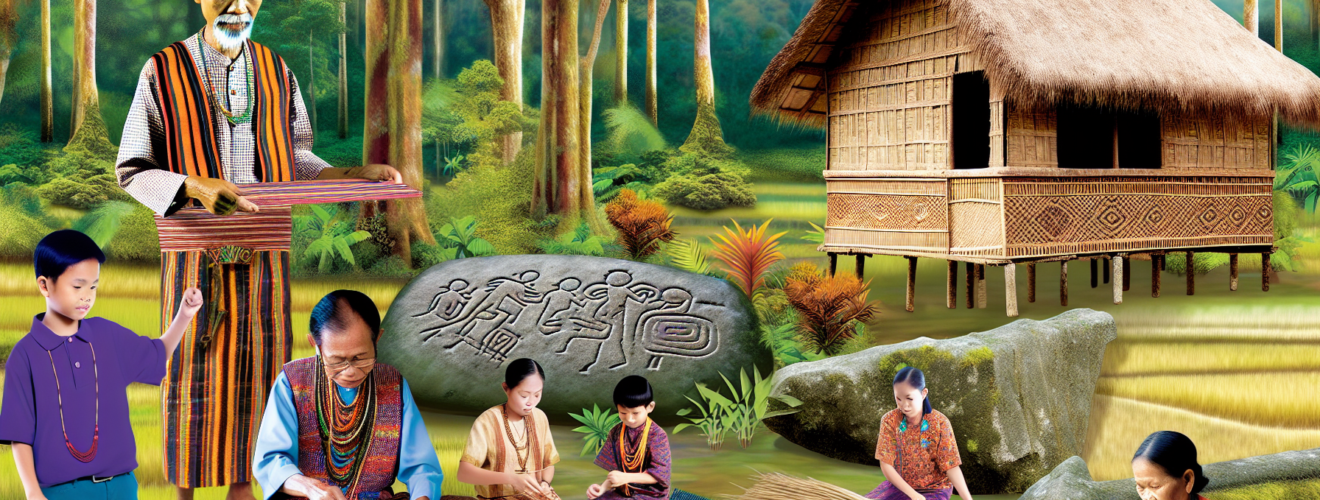
The Philippines is a country with a very rich history. It is an archipelago in Southeast Asia. It is home to many diverse groups of people. Among these are the Indigenous Peoples, or IPs. There are more than one hundred distinct groups in the islands. These groups have kept their own ways of life for a long time. Their culture is a mix of art, faith, and social rules. This heritage is vital to the identity of the nation. It shows how people lived before the arrival of outside forces. Today, this culture remains strong in many areas. It provides a link to the deep past of the Filipino people. Protecting this heritage is important for the future of the whole country.
Indigenous groups are found all over the country. In the north, the Cordillera mountains are home to the Igorot people. In the south, the island of Mindanao is home to the Lumad. There are also groups in the Visayas and Palawan. Each group has a unique way of speaking. They also have their own rituals and crafts. Despite these differences, they share a deep love for the land. To them, the land is not just a place to live. It is a sacred part of their life. This bond with nature defines who they are. It is the core of their cultural heritage.
The Legal Recognition of Indigenous Rights
The state recognizes the importance of these groups. In 1997, the Philippine government passed a major law. This law is known as the Indigenous Peoples Rights Act, or IPRA. It was a big step for the country. It was one of the first laws of its kind in Asia. The law aims to protect the rights of the native groups. It focuses on their right to their land. It also protects their right to keep their culture. The law created a special office called the National Commission on Indigenous Peoples. This office helps the groups with legal and social issues. It works to make sure their voices are heard in the government.
The IPRA law talks about “Ancestral Domains.” These are areas that the groups have lived on since time began. These lands include forests, rivers, and mountains. The law says that these groups have the right to manage these lands. This is vital because their culture depends on the environment. If the land is lost, the culture might fade away. The law helps to prevent this from happening. It gives the groups a way to defend their homes from outside threats. This legal framework is a key part of keeping the cultural heritage alive today.
Spiritual Beliefs and Connection to Nature
The faith of many indigenous groups is tied to nature. Most groups follow a form of animism. This is the belief that spirits live in all things. They believe spirits are in the trees, the rocks, and the water. These spirits are often seen as ancestors or guardians. The people perform rituals to show respect to these spirits. They offer food, songs, and dances during harvest or illness. These rituals are not just for show. They are a way to keep balance in the world. They believe that if they respect nature, nature will provide for them. This belief system has helped them protect the environment for many years.
Shamanism is also common among many groups. A shaman is a person who talks to the spirit world. They are often called a Babaylan or a Mumbaki. These leaders play a huge role in the community. they act as healers and teachers. They hold the oral history of the tribe in their minds. When someone is sick, the shaman performs a rite to find the cause. They use herbs and prayers to help the person. This knowledge of medicine is a part of their intangible heritage. It has been passed down for many generations without being written down. It relies on the memory and skill of the elders.
Tangible Heritage and Traditional Arts
The arts of the indigenous peoples are very diverse. One of the most famous examples is weaving. Many groups use natural fibers to make cloth. The T’boli people of Mindanao are known for T’nalak cloth. They use abaca fibers and natural dyes. The patterns are often based on dreams. This is why the weavers are called dream weavers. In the north, the Igorot groups make sturdy fabrics with geometric designs. Each color and shape has a meaning. It can tell the rank or the village of the person wearing it. These clothes are worn during festivals and rites. They are a proud symbol of their identity.
Architecture is another part of their tangible heritage. The Ifugao people are famous for the Rice Terraces. These are carved into the mountains of the Cordillera. They are often called the eighth wonder of the world. The terraces show the great skill of the people in engineering. They also show how they work with the land rather than against it. The houses of these groups are also unique. They are often built on stilts and use wood from the local forest. They are designed to stay cool in the heat and dry during the rain. These structures are a physical record of the wisdom of the ancestors.
Music and Oral Traditions
Music is a vital part of the social life of these groups. They use gongs, flutes, and lutes. The kulintang is a set of small gongs found in the south. It is played during happy events like weddings. The music has a rhythm that mimics the sounds of nature. It brings the community together. Along with music, oral traditions are very important. Since many groups did not use writing, they told stories. These stories are often long epics. One example is the Hudhud chant of the Ifugao. It tells the stories of heroes and ancient battles. These chants are recognized by UNESCO as a masterpiece of oral heritage. They are sung during the harvest or when someone dies.
Oral traditions also include riddles and proverbs. These are used to teach children about life and values. They teach lessons about hard work and honesty. Through these stories, the youth learn the history of their tribe. They learn about the struggles and the wins of those who came before them. This keeps the spirit of the group alive. It ensures that the next generation knows where they came from. In a world that is changing fast, these stories are a bridge to the past. They provide a sense of belonging to the young members of the tribe.
Challenges to Cultural Preservation
Despite the laws, indigenous groups face many challenges. One of the biggest threats is modernization. As cities grow, the young people often leave the tribe. they go to find work or study in the city. When they leave, they might stop speaking their mother tongue. They might also forget the old rituals and crafts. This leads to a loss of culture. The influence of global media also plays a role. It can make the youth feel that their culture is not modern. This creates a gap between the elders and the young people. Bridging this gap is a major goal for leaders within the groups.
Another challenge is the fight for land. Many companies want to use the land for mining or logging. These activities can destroy the ancestral domains. If the forests are gone, the spirits have no home. The people also lose their source of food and medicine. This leads to social and economic problems. Many groups have to fight long legal battles to save their land. These struggles can be hard and even dangerous. The loss of land often leads to the loss of the soul of the culture. This is why land rights are the most important issue for these peoples today.
Conclusion
The cultural heritage of indigenous peoples in the Philippines is a treasure. it is a source of pride and wisdom. It shows the world a unique way of living with nature. The arts, the music, and the laws of these groups are vital. They make the country more colorful and rich. While there are many threats, the spirit of these peoples remains strong. They continue to fight for their rights and their traditions. It is the duty of the state and the public to support them. By doing so, we ensure that the heart of the Filipino nation continues to beat. We keep the flame of the past burning for the future.
Sources
Cariño, J. (2012). The Indigenous Peoples’ Rights Act: A triumph of people’s power. Quezon City: IWGIA.
National Commission on Indigenous Peoples. (2021). The state of the Philippine indigenous peoples. Manila: NCIP Publishing.
Scott, W. H. (1994). Barangay: Sixteenth-century Philippine culture and society. Manila: Ateneo de Manila University Press.
UNESCO. (2008). The Hudhud chants of the Ifugao. Paris: UNESCO World Heritage Centre.
Zaide, S. M. (2017). The Philippines: A unique nation. Manila: All-Nations Publishing Co.