Preserving the Filipino Language in a Digital Age
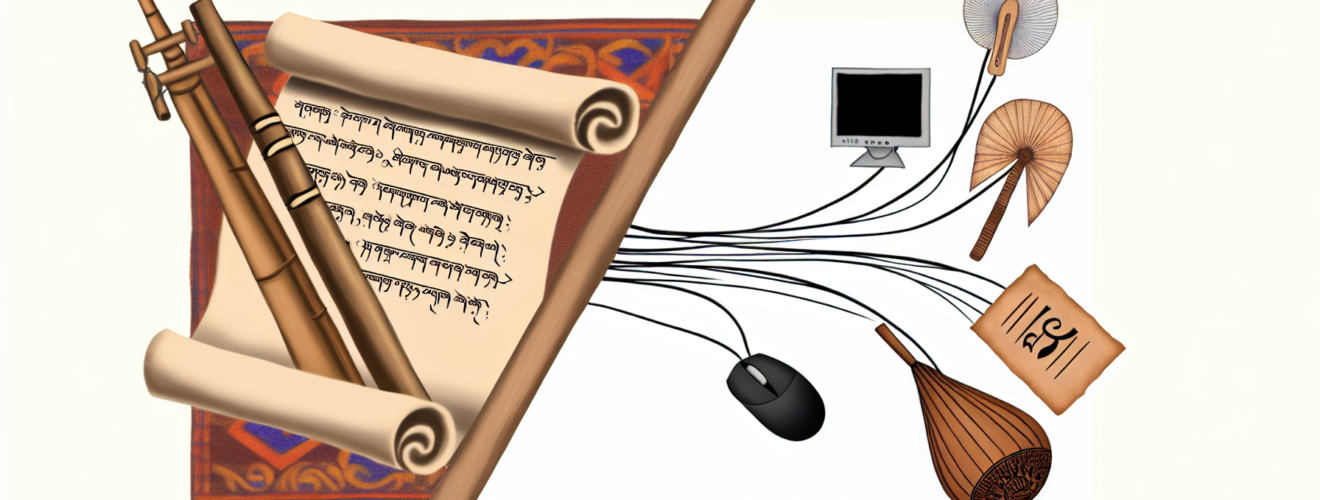
Language is the primary tool for human connection. It serves as a bridge between the past and the present. In the Republic of the Philippines, the Filipino language represents a shared history. It is a vital part of the national identity. However, the world is now changing fast due to technology. We live in a digital age where the internet dominates daily life. This shift has changed how people speak and write. For the Filipino language, this new era brings both new chances and serious threats. The digital space is mostly dominated by English. This creates a gap for local languages. To preserve Filipino, we must look at how it lives online today. We need to ensure that the language remains relevant for the youth. This article explores the state of the Filipino language in the modern world. It also looks at the ways we can protect it for the future.
The growth of the internet has altered the way we communicate. In the early days of the web, English was the main language used. This was because the technology was built in the West. Today, more people in the Philippines are online than ever before. Social media platforms like Facebook and TikTok are very popular. These apps allow people to share thoughts in real-time. In these spaces, the Filipino language is often used in a casual way. We see the rise of Taglish, which is a mix of Tagalog and English. This hybrid way of speaking is very common among young people. Some experts worry that this may weaken the grammar of the national language. Yet, others see it as a natural evolution. Language is not a static thing. It grows and shifts based on the needs of the users. The digital age has simply made this growth happen much faster.
The Impact of Social Media on Linguistic Trends
Social media has a huge impact on how we use words. On the internet, speed is very important. Users often shorten words to save time. This has led to the creation of internet slang. In the Philippines, we have seen various trends like jejemon and different types of street slang. These trends show the creativity of the Filipino people. However, they also pose a challenge for formal writing. Many students now find it hard to write a full essay in formal Filipino. They are more used to the short and broken style of texting. This creates a gap between academic standards and daily speech. Educators must find a balance between these two worlds. They should teach students how to be creative online while keeping formal skills sharp.
Digital Literacy and Language Retention
Digital literacy is not just about using a computer. It is also about how we process information in our own tongue. Most online content is in English. This includes news, research, and entertainment. When Filipinos always consume English media, they may start to think in English too. This can lead to a slow loss of local vocabulary. Many deep Filipino words are no longer used by the youth. To stop this, we need more high-quality content in Filipino. We need websites, blogs, and videos that use the language in a smart way. This will show the youth that Filipino is just as good as English for deep topics. It is not just a language for the home or for jokes. It is a language of the mind and for the future.
Educational Policies in the Modern Era
Schools play a key role in saving a language. In the Philippines, there have been many changes in the curriculum. The Mother Tongue-Based Multilingual Education or MTB-MLE was a big step. It aimed to teach children in their local dialects first. This helps them learn better and feel proud of their roots. However, as students get older, the focus shifts. In higher education, there was a debate about removing Filipino as a core subject. This caused a lot of concern among teachers and scholars. They argued that Filipino is vital for national growth. Without it in college, the language might lose its professional status. We need the language to be used in science, law, and medicine. This is called intellectualization. It means making the language capable of discussing complex ideas. If we only use English for big ideas, Filipino will stay a secondary language.
The Role of the Commission on the Filipino Language
The Komisyon sa Wikang Filipino or KWF is the lead agency for this task. They work to promote and spread the language. In the digital age, their job is even harder. They have started to digitize many of their resources. They now offer online dictionaries and free e-books. These tools are great for researchers and students. By putting these resources online, they make the language more accessible. They also hold contests and seminars online. This helps keep the public interested in our linguistic heritage. Institutional support like this is a must. It provides a formal base for the language to stand on. Without strong rules and support, the language might fade away in the face of global trends.
Technological Solutions for Language Preservation
Technology is not just a threat; it is also a tool. We can use tech to save and promote Filipino. One way is through Natural Language Processing or NLP. This is a field of AI that helps computers understand human speech. If we develop better NLP tools for Filipino, we can have better translation apps. This would help break the barrier between Filipino and the rest of the world. We also see the rise of apps that teach local languages. These apps use games and fun tasks to engage users. For the Filipino language to survive, it must be part of the tech world. We need more Filipino developers to create local apps. We need more software that has a Filipino language option. When people see their language on a screen, they feel it has value. This builds a sense of pride and encourages them to use it more often.
The Power of Digital Archives
Archiving is another vital step. Many old documents and poems are written on paper that is rotting. Digital archiving can save these works forever. By scanning old books and scripts, we preserve the soul of our nation. These archives should be open to the public. When students can read the works of old masters online, they connect with their past. This link is what keeps a language alive. It is not just about the words we say now. It is about the history those words carry. Digital libraries can serve as a safe house for our linguistic treasures. This ensures that even in a hundred years, the Filipino voice will still be heard.
A Call for Collective Action
The task of saving the Filipino language belongs to everyone. It is not just for teachers or the government. Every Filipino who types a post or sends a text has a role. We should not be afraid to use our language in digital spaces. We should encourage our children to speak it at home. We must support local artists and writers who work in Filipino. The digital age is a great challenge, but it is also a great stage. It gives us a chance to show our culture to the whole world. If we use the internet well, we can make the Filipino language stronger than ever. We must treat our language as a living thing. It needs care, use, and respect to grow. By combining modern tech with our old traditions, we can keep the Filipino spirit alive in the digital world. The future of our language is in our hands and on our screens.
Sources
Almario, V. S. (2014). Si Balagtas at ang Panitikan para sa Karunungan. Manila: Komisyon sa Wikang Filipino.
Bernardo, A. B. I. (2004). Contexts and challenges in Philippine education. Manila: De La Salle University Press.
Crystal, D. (2006). Language and the Internet. Cambridge: Cambridge University Press.
Tupas, R. (2015). Inequalities of Multilingualism. New York: Routledge.
UNESCO. (2018). Digital technologies for language preservation and revitalization. Paris: UNESCO Publishing.