How Interest Rates Affect the Average Consumer
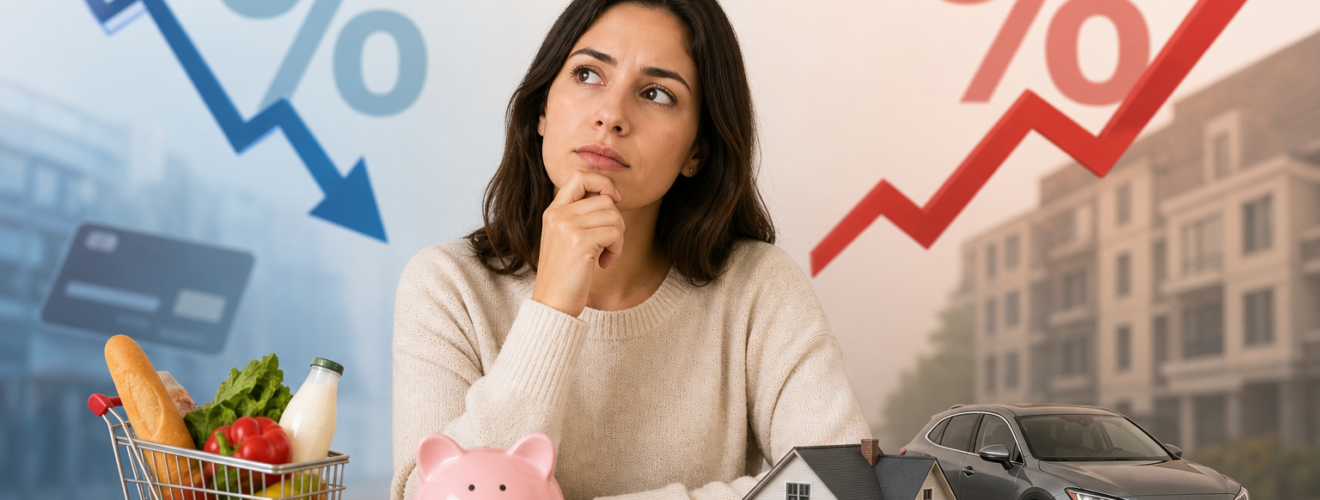
Interest rates are a vital part of the modern world. They serve as the primary tool used by central banks to manage the growth of a nation. For the average consumer, these rates are much more than just numbers on a news screen. They act as the price of money itself. When interest rates change, the effects ripple through every part of a person’s financial life. From the cost of a new home to the growth of a small savings account, the impact is broad. Understanding these shifts is key for anyone who wants to stay financially healthy. This article will explore how these rates shape the choices and habits of the general public. We will look at borrowing, saving, and the overall cost of living.
The Core Role of Central Banks
The journey of an interest rate begins with a central bank. In the United States, this is the Federal Reserve. The central bank sets a target rate that banks use to lend money to each other. This is known as the federal funds rate. While the average person does not borrow directly from the central bank, this rate sets the stage for everything else. When the central bank raises this rate, it becomes more expensive for banks to get cash. To cover these costs, banks raise the rates they charge to people and businesses. This chain reaction is the primary way that monetary policy reaches the local level.
The goal of these changes is often to balance the economy. If the economy is growing too fast, prices might rise too quickly. This is called inflation. To slow this down, the bank raises rates. This makes it harder to spend and borrow. If the economy is slow, the bank might lower rates. This makes it cheaper to take out loans. Lower rates encourage people to buy things and start new projects. For the consumer, this dance between high and low rates dictates how much they can afford at any given time. It is a tool for stability, but it also creates changes in daily budgets.
The Direct Impact on Consumer Borrowing
The most visible effect of interest rates is on the cost of debt. Most people rely on loans for big purchases. When rates go up, the cost of this debt increases. This is very clear in the housing market. For most families, a home is the largest purchase they will ever make. Most buyers use a thirty-year mortgage. Even a small rise in the interest rate can add a large amount to the monthly bill. For example, a one percent rise might mean paying hundreds of extra dollars every month. Over thirty years, this adds up to tens of thousands of dollars. Higher rates often cause people to look for smaller homes or wait until rates fall again.
Auto Loans and Personal Credit
Housing is not the only area where borrowing costs matter. Auto loans are also tied to these rates. When interest rates rise, the monthly payment for a new car goes up. This may force a consumer to choose a used car instead of a new one. It can also lead people to keep their old cars for a longer time. Beyond cars, personal loans and retail credit are affected. Many stores offer credit plans for furniture or electronics. As rates rise, these plans become less attractive. This can lead to a drop in the sales of large goods. The consumer must think twice before signing a new loan agreement.
Credit cards are another major factor. Most credit cards have a variable interest rate. This means the rate on the card moves up and down with the prime rate. When the central bank raises its rate, credit card users often see their annual percentage rate go up almost right away. If a person carries a balance on their card, they will pay more in interest each month. This leaves less money for food, rent, or other needs. For those who live paycheck to paycheck, a rise in credit card rates can be a major source of stress. It makes it harder to pay off debt and stay ahead of bills.
The Relationship Between Rates and Savings
While high rates make borrowing hard, they are often good for savers. When banks charge more for loans, they also tend to pay more on deposits. This is because they want to attract cash from customers. For many years, when rates were very low, savings accounts paid almost nothing. This meant that money sitting in a bank lost its value over time due to rising prices. However, when interest rates go up, the return on a basic savings account increases. This provides a safe way for people to grow their wealth. It is a reward for people who choose to keep their money instead of spending it.
This shift is very helpful for certain groups of people. Retirees often rely on fixed-income investments. They may put their money into certificates of deposit or money market funds. When rates rise, these tools pay more. This gives seniors more income to cover their daily costs. It also helps young people who are saving for a down payment on a house. A higher interest rate helps their money grow faster in the bank. This makes the goal of home ownership feel more reachable. In this way, high rates act as a tool for building long-term financial security for those who can afford to save.
Inflation and Purchasing Power
The link between interest rates and inflation is vital for the average person. Inflation reduces the purchasing power of money. This means that one dollar buys less today than it did a year ago. If prices for milk, gas, and rent go up too fast, it hurts everyone. Central banks use high interest rates to fight this trend. By making it more expensive to borrow, they reduce the amount of money moving through the system. This slows down the demand for goods. When demand falls, the price of goods usually stops rising so fast. This helps to protect the value of the money that consumers earn at their jobs.
There is a balance that must be struck here. If rates are too low for too long, inflation can get out of control. This makes life very hard for those on a fixed budget. However, if rates are too high, the economy might slow down too much. This could lead to fewer jobs and lower wages. The average consumer lives in the middle of this balance. They want prices to stay low, but they also want their jobs to be safe. A steady interest rate environment helps to create a predictable world. People can plan for the future when they know what things will cost and what their money will be worth.
Consumer Sentiment and Future Planning
Beyond the math of loans and savings, there is a psychological side to interest rates. These rates affect how people feel about the future. When rates are low, people feel bold. They are more likely to take risks or start a small business. They feel that money is easy to get. This often leads to more spending and a boom in the economy. However, when rates rise, people tend to get more cautious. They may worry that the economy is cooling off. This can lead to a drop in consumer confidence. People might stop spending on luxury items and focus only on the basics.
This change in mood has a real effect on the market. If everyone stops spending at the same time, businesses make less money. This can lead to a cycle where the economy slows down even more. On the other hand, a rise in rates can sometimes make people feel better. It can be a sign that the central bank is taking action to keep prices stable. If people believe that inflation will stay low, they can plan their lives with more ease. They know that their future costs will not jump in an unexpected way. This sense of order is vital for a healthy society.
Conclusion
Interest rates are a powerful force that touches every corner of the consumer world. They act as a see-saw between the cost of debt and the reward for saving. While high rates can make it hard to buy a home or a car, they also help to keep inflation in check. They protect the value of our wages and reward those who save for the future. For the average person, the best path is to stay informed. By watching how these rates move, a person can make better choices about when to buy, when to save, and how to manage debt. Interest rates are more than just a tool for banks. They are a core part of how we build and protect our financial lives.
Sources
Board of Governors of the Federal Reserve System. (2023). Why does the Federal Reserve consider inflation and employment when deciding monetary policy? Federal Reserve Education.
Consumer Financial Protection Bureau. (2022). How interest rates affect your credit card and loan payments. CFPB Consumer Guides.
Mankiw, N. G. (2021). Principles of macroeconomics (9th ed.). Cengage Learning.
International Monetary Fund. (2023). Monetary policy and its impact on household finance. IMF Economic Outlook Reports.