The Digital Divide: Why Internet Access is a Social Justice Issue
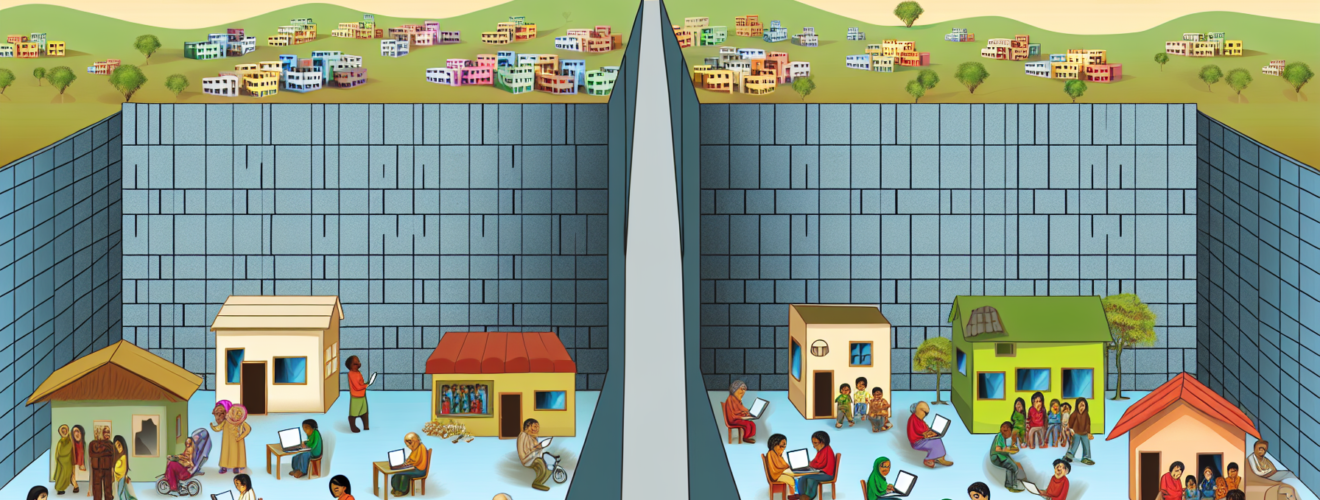
The modern world relies on digital tools for almost every task. We use the internet to find news and to talk to friends. We also use it to manage our health and to pay our bills. However, many people still lack a stable connection to the web. This gap is known as the digital divide. It is not just a tech problem. It is a major issue for social justice. When we talk about justice, we talk about fairness for all. Fairness means that every person has the same chance to succeed. If one group has no web access, they cannot reach the same goals as others. This makes the digital divide a wall that blocks progress for the poor and the marginalized. We must look at this gap as a barrier to basic human rights.
The Core of the Digital Divide
The digital divide comes from many sources. It is a mix of money problems and where people live. Some people live in areas with great cables and fast speeds. Others live in spots where the signal is weak or does not exist at all. This creates a split in how people see the world and how the world sees them. To fix this, we must first understand why it happens. We need to look at how wealth and location change a person’s life. Without this look, we cannot find a real way to help those who are left behind by new tech.
Economic Barriers to Access
Money is the biggest reason for the digital divide. High-quality web service costs a lot of money every month. For many families, this cost is too high. They must choose between paying for food or paying for data. Most choose food. Even if they have a link, they need a device to use it. Laptops and tablets are expensive. A cheap phone is often not enough to write a paper or apply for a job. This means that wealth decides who gets to participate in modern life. If you are poor, you stay in the dark. This creates a cycle that is very hard to break. Justice requires that we lower these costs for everyone.
Geographic Disparities in Infrastructure
Where you live also matters a lot. In big cities, many companies compete to offer fast web. In rural towns, there might be only one provider or none at all. It costs a lot of money to run wires to far-off homes. Companies often do not want to spend that money. This leaves people in the country with slow and old tech. They cannot stream videos or take online classes. This geographic gap hurts the growth of small towns. It makes it hard for them to keep up with the rest of the nation. We must ensure that every zip code has the same level of tech support.
Impact on Education and Employment
The digital divide has a huge impact on how we learn and work. In the past, books were the main source of knowledge. Today, the web is the main source. This shift has changed the way schools and offices run. If you are not online, you are at a huge disadvantage. This affects children the most. It also affects adults who are looking for a way to improve their lives. The gap in access leads to a gap in skill. Over time, this makes the divide even wider and harder to fix.
The Homework Gap in Schools
Students today need the internet to finish their work. Many teachers post lessons and homework online. They expect students to do research on the web. This is fine for kids with fast Wi-Fi at home. But for kids without it, school becomes a struggle. They may have to sit in a fast-food shop or a library just to do their work. This is called the homework gap. It puts a heavy load on young learners. It makes them feel less than their peers. If a child cannot do their work, they might lose interest in school. This can lead to lower grades and fewer chances for college. Access to the web is a vital part of a fair school system.
Job Markets in the Digital Age
Finding a job now requires a web link. Most big firms only take applications through their sites. They do not use paper forms anymore. If you cannot get online, you cannot apply for most jobs. Also, many high-paying jobs now allow people to work from home. Remote work is a great way to earn a living. But you need fast web to do it. Those on the wrong side of the digital divide miss these jobs. They are stuck in low-wage work that requires them to be there in person. This limits their ability to grow their wealth. Closing the gap is key to a fair job market for all workers.
Internet Access as a Human Right
Many leaders now say that the internet is a human right. This is because the web is the gate to speech and health. It is where we find out about our rights. It is where we talk to our leaders. Without it, a person’s voice is quiet. Social justice means that every voice should be heard. When we provide web access, we give people a tool for power. We give them a way to stand up for themselves. This is why we must treat the web like water or power. It is a basic need for a modern life. We must work to make sure no one is left out of the digital age.
Conclusion
The digital divide is a deep social issue. It affects education, jobs, and basic rights. To fix it, we must see it as a matter of justice. We need to invest in better wires for rural areas. We also need to make the web and devices cheap for poor families. When everyone is online, our whole society gets stronger. We can share more ideas and solve more problems. A fair world is one where every person has a link to the future. It is time to close the gap for good.