The Three Branches of Government: Checks and Balances Explained
The Foundations of the American Republic
The United States government is a complex system. It was built to protect the rights of the people. The founders of the nation did not want one person to have all the power. They had seen how kings ruled in Europe. They wanted a system that was fair and balanced. To do this, they used a concept called the separation of powers. This idea divides the government into three distinct parts. These parts are the legislative, the executive, and the judicial branches. Each branch has its own job. Each branch also has the power to limit the others. This setup is known as checks and balances. It ensures that no single group can control the whole country. This system has lasted for over two hundred years. It remains the core of American democracy today.
The idea for this system came from the Enlightenment. Thinkers like Baron de Montesquieu wrote about it in the 1700s. He believed that mixing powers would lead to tyranny. He argued that the law-making power should be separate from the law-enforcing power. The American founders agreed with this view. James Madison wrote about it in the Federalist Papers. He said that ambition must be made to counteract ambition. By giving each branch a way to stop the others, the government stays in line. This structure creates a stable environment. It allows for debate and slow change. It prevents sudden shifts that could hurt the nation. Understanding these branches is vital for every citizen. It shows how the law works and how leaders are held accountable.
The Legislative Branch: Creating the Laws
The first branch of government is the legislative branch. This branch is also known as Congress. Its main job is to make the laws for the country. Congress is divided into two parts. This is called a bicameral system. The two parts are the House of Representatives and the Senate. Each part has different rules and duties. The House of Representatives is based on the population of each state. Larger states have more representatives. The Senate gives each state two members. This ensures that small states have an equal voice. Together, these two groups must agree on a bill before it can become a law. This process ensures that many voices are heard during the law-making stage.
The Powers of Congress
Congress has many specific powers listed in the Constitution. One of its most important powers is the power of the purse. This means Congress controls the nation’s money. It decides how to collect taxes and how to spend that revenue. Congress also has the power to declare war. It can raise and support an army and a navy. It can regulate trade between states and with other nations. These powers are broad but also limited. Congress cannot pass laws that violate the Bill of Rights. It cannot target specific people with punishments without a trial. Every law it passes must be within the scope of its constitutional authority.
The Process of Legislation
Making a law is a long and difficult process. A member of Congress starts by writing a bill. The bill must then go to a committee. Committees look at the bill closely and make changes. If the committee approves it, the full House or Senate votes on it. If it passes one chamber, it must go to the other. Both chambers must pass the exact same version of the bill. This often requires compromise and debate. If they cannot agree, the bill dies. This slow pace is intentional. It prevents the government from passing bad laws in a hurry. It forces leaders to think about the long-term effects of their choices.
The Executive Branch: Implementing the Laws
The second branch is the executive branch. The President of the United States leads this branch. The main job of the executive branch is to carry out and enforce the laws. While Congress makes the rules, the President puts them into action. This branch is very large. It includes the Vice President, the Cabinet, and many departments. Each department has a specific focus. For example, the Department of Education handles schools. The Department of Defense handles the military. These agencies work daily to keep the country running. They make sure the laws passed by Congress are followed by everyone.
The Role of the President
The President has several roles. He is the head of state and the head of government. He is also the Commander-in-Chief of the armed forces. This means he makes big decisions about the military. However, he cannot declare war himself. Only Congress can do that. The President also handles foreign policy. He can sign treaties with other nations. These treaties must be approved by the Senate. The President also appoints judges and high-ranking officials. These appointments also require the consent of the Senate. This shows how the branches must work together to lead the nation.
Executive Agencies and Law Enforcement
The executive branch does more than just lead. It also protects the public. Agencies like the FBI and the EPA are part of this branch. They investigate crimes and protect the environment. These agencies use the budget provided by Congress. They follow the rules set by the judicial branch. The President oversees these agencies. He makes sure they are doing their jobs well. If an agency fails, the President is often held responsible. This creates a clear line of accountability. The people know who to look to when the laws are not being enforced properly.
The Judicial Branch: Interpreting the Laws
The third branch is the judicial branch. This branch is made up of the court system. The highest court is the Supreme Court of the United States. The main job of this branch is to interpret the laws. They decide what the laws mean and how they apply in real life. When two people or groups disagree about a law, they go to court. The judges listen to the facts and look at the Constitution. They then make a ruling. This branch ensures that the law is applied fairly to everyone. It protects the rights of the minority from the will of the majority.
The Power of Judicial Review
The most important power of the judicial branch is judicial review. This is the power to declare a law unconstitutional. If Congress passes a law that breaks the rules of the Constitution, the Court can strike it down. The same is true for actions taken by the President. This power was established in the famous case Marbury v. Madison. It makes the Supreme Court the final judge of the law. Without this power, the Constitution would just be a list of suggestions. Judicial review gives the Constitution the force of law. It keeps the other two branches within their legal limits.
The Structure of the Federal Courts
The federal court system has three main levels. At the bottom are the district courts. These are trial courts where most cases start. Above them are the courts of appeals. These courts review the decisions of the district courts. They check for legal errors. At the very top is the Supreme Court. The Supreme Court only hears a small number of cases each year. These cases usually involve big constitutional questions. The decisions made by the Supreme Court are final. All other courts must follow their rulings. This creates a unified legal system for the entire country.
The System of Checks and Balances in Action
The three branches do not work in isolation. They are constantly interacting. This is where the checks and balances come in. Each branch has a “check” on the other two. For example, the President can check Congress by using a veto. If the President dislikes a bill, he can refuse to sign it. However, Congress has a check on the President. They can override a veto if two-thirds of the members vote to do so. This is hard to achieve, but it prevents the President from being a dictator. It forces both sides to talk and find common ground.
Checks on the Judicial Branch
The judicial branch is also subject to checks. Judges are not elected by the people. Instead, the President appoints them. The Senate must then confirm these choices. This gives the other branches a say in who interprets the law. Furthermore, Congress can change the number of courts and judges. If the Supreme Court makes a ruling that people hate, Congress and the states can work to change the Constitution. This is very difficult, but it is a final check on the power of the courts. It ensures that the people still have the ultimate power over the law.
Maintaining the Balance
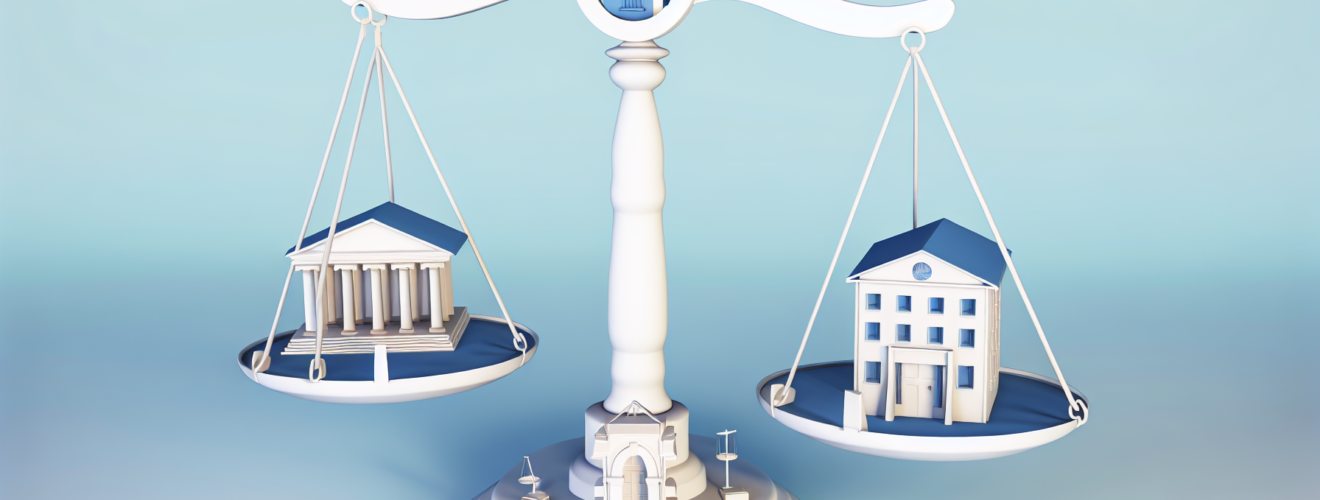
The goal of these checks is balance. No branch should ever become too strong. When one branch tries to take too much power, the others pull back. This tension is healthy for a democracy. It prevents the government from moving too fast or in a dangerous direction. It protects the rights of individuals from government overreach. While it can lead to gridlock, where nothing gets done, this is often seen as better than a government that acts without thought. The balance of power is the secret to the long life of the American system.
Conclusion: The Value of Separation
The three branches of government work together to keep the nation safe and free. The legislative branch writes the laws. The executive branch carries them out. The judicial branch interprets them. This division of labor is essential. It keeps the focus on the law rather than on individuals. The system of checks and balances provides a safety net. It ensures that mistakes can be fixed and power is not abused. This framework has allowed the United States to grow and change over many decades. It remains a model for many other nations around the world. By understanding this system, citizens can participate more fully in their government. They can hold their leaders to the standards set by the founders. Democracy is not just about voting. It is about maintaining the balance of power every single day.
Sources
Hamilton, A., Madison, J., & Jay, J. (1788). The Federalist Papers. New York: McLean.
Montesquieu, C. (1748). The Spirit of the Laws. Geneva: Barrillot & Fils.
U.S. Constitution. (1787). Article I, II, and III.
Vile, J. R. (2014). A Companion to the United States Constitution and its Amendments. ABC-CLIO.