The Difference Between a Republic and a Democracy
Many people use the terms republic and democracy to mean the same thing. In daily speech, we often swap one for the other. However, these two forms of government have very clear traits. They differ in how they view power and how they protect the rights of the people. To understand our world today, we must look at what makes each system unique. This article will show the main gaps between these two ideas. We will see how they shape laws and life for citizens. By looking at the roots and the goals of each, we can see why these words matter so much in the study of the state.
Defining the Democracy
A democracy is a system where the people hold the power. The word comes from two Greek words that mean rule by the people. In its most basic form, all citizens take part in making choices for the state. This is known as a direct democracy. In this model, every person has a say in every new law or policy. There is no person in the middle to make the choice for them. The will of the most people wins the day. This is a very pure way to run a group, but it can be hard to do in a large nation. This is why many places moved toward other styles of rule as they grew larger and more complex over time.
The Role of the Majority
In a pure democracy, the majority has the final say. If more than half of the people want a certain law, it passes. This is a simple and clear way to make decisions. It ensures that the most people are happy with the outcome. However, this focus on the group can lead to issues. It does not always think about the needs of the few. If the group is not careful, the majority can use its power to take things away from the minority. This is one of the main reasons why pure democracy is rare in the modern world. Most states want to find a way to let people speak without letting the crowd have total control over every single right.
The Structure of a Republic
A republic is a bit different from a pure democracy. It is a state where the head of the nation is not a king or queen. Instead, the power stays with the people through their right to vote. However, the rule of law is the main guide in a republic. A republic often has a set of laws that no one can change easily. This is usually a charter or a constitution. These laws protect the rights of every person in the land. Even if a large group wants to take a right away, the law stops them from doing so. This makes the republic a system that puts the written law above the will of the crowd. It creates a stable base for the nation to grow.
The Power of Representatives
In a republic, the people do not vote on every single rule or local act. Instead, they pick leaders to do that work for them. These leaders are meant to serve the interests of the people. However, they must also follow the rules of the land. They are the voice of the public, but they cannot act like they are above the law. This style helps a country stay steady and calm. It allows experts to work on complex tasks like trade or defense while still giving power to the public. The focus is on the long term health of the whole nation. It is not just about what is popular or trendy at the moment.
Key Differences in Power
The biggest gap between these two systems is the source of the highest power. In a pure democracy, the majority holds all the control. This is often called majority rule. It is a fair way to settle a tie. But it has a risk that many thinkers call the tyranny of the majority. If fifty-one percent of people want to take a house from a small group, a pure democracy would allow it. There is nothing to stop the will of the most people from hurting the few. This can lead to a lack of safety for anyone who does not agree with the largest group at the time.
A republic changes this dynamic by using a legal framework. It uses the law as a shield to guard the people. It says that some rights are so basic that no vote can ever take them away. This means that even a very small group is safe from the crowd. They can speak their mind and keep their own goods. The law stays the same no matter who wins a specific election. This provides a deep sense of safety for all members of the society. It ensures that the state treats everyone with a base level of respect and fairness. This is the heart of what makes a republic distinct from a simple democracy.
Historical Examples and Context
To see these ideas in action, we can look back at history. Ancient Greece is the most famous example of a democracy. In cities like Athens, men gathered in a large group to vote on war and taxes. It was a loud and active process. It gave citizens a direct hand in their lives. But it was also prone to fast shifts in mood. A great speaker could sway the crowd to make a bad choice in a single day. This led to moments of chaos and sudden changes in policy that hurt the city. It showed both the power and the danger of letting the crowd rule without a set of firm rules.
Ancient Rome gave us the model for a republic. They had a complex system of checks and balances. They had a senate and groups that spoke for different classes of people. They wrote down their laws on tablets for all to see. This created a sense of order that lasted for a long time. The Roman Republic lasted for centuries because it relied on these set rules. It was not perfect, but it showed how a state could grow without a king or a fickle crowd. It set the stage for how many modern nations think about power and law today.
The Modern Hybrid Model
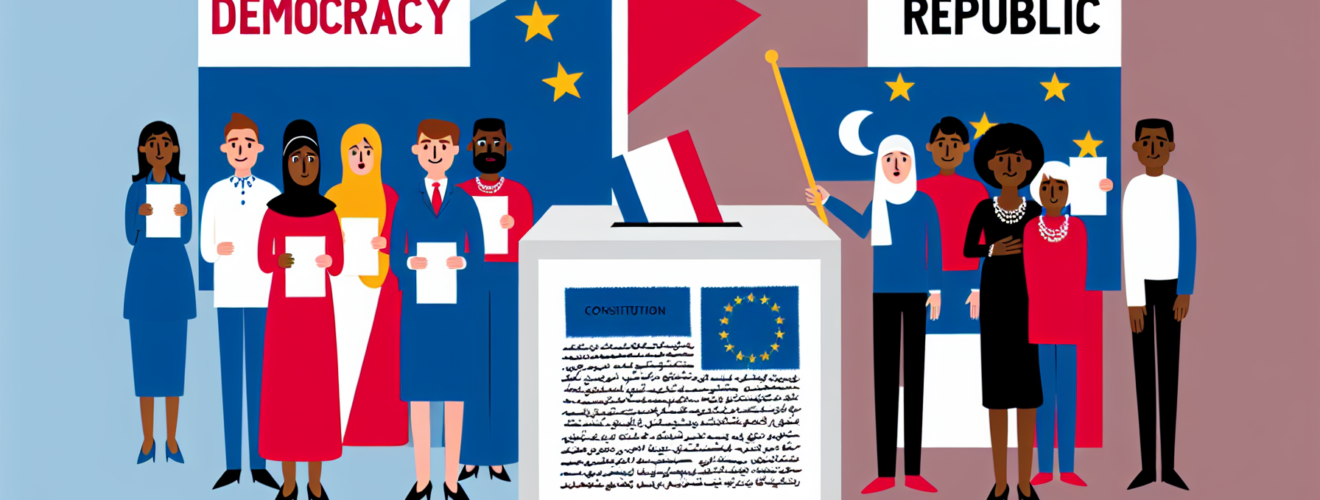
Today, most nations are not just one or the other. They are a mix of both systems. Many call themselves democratic republics. This means they use democratic methods to choose their leaders. People go to the polls to vote for their favorite person. They pick the men and women who will represent them in the government. This part of the process is democratic. But once those leaders are in office, they must work within the limits of a republic. They must follow a constitution. They cannot pass a law that breaks the core rules of the land. This blend aims to take the best parts of both worlds to create a fair state.
This mix provides a way to let the people speak while keeping the peace. It respects the will of the most people while it guards the rights of the few. It creates a state that is both flexible and firm. The democratic part allows for change as society grows and new ideas come to light. The republican part ensures that this change does not destroy the foundation of the state. This balance is what keeps many modern governments strong and fair. It allows for a way to live together in a world where people have many different views. It is the key to a stable and free society.
Conclusion
In summary, the difference is clear and very important. A democracy is about the power of the majority. A republic is about the power of the law. One values the group will, while the other values the rules that protect every person. By using both, we create a system that is fair, safe, and open to change. Understanding these terms helps us be better citizens. It shows us why we have laws and why our vote matters. As we move forward, keeping this balance will always be a key task for any free nation. It is the core of a just society that treats all people with care.