From Barter to Bitcoin: A History of Philippine Currency
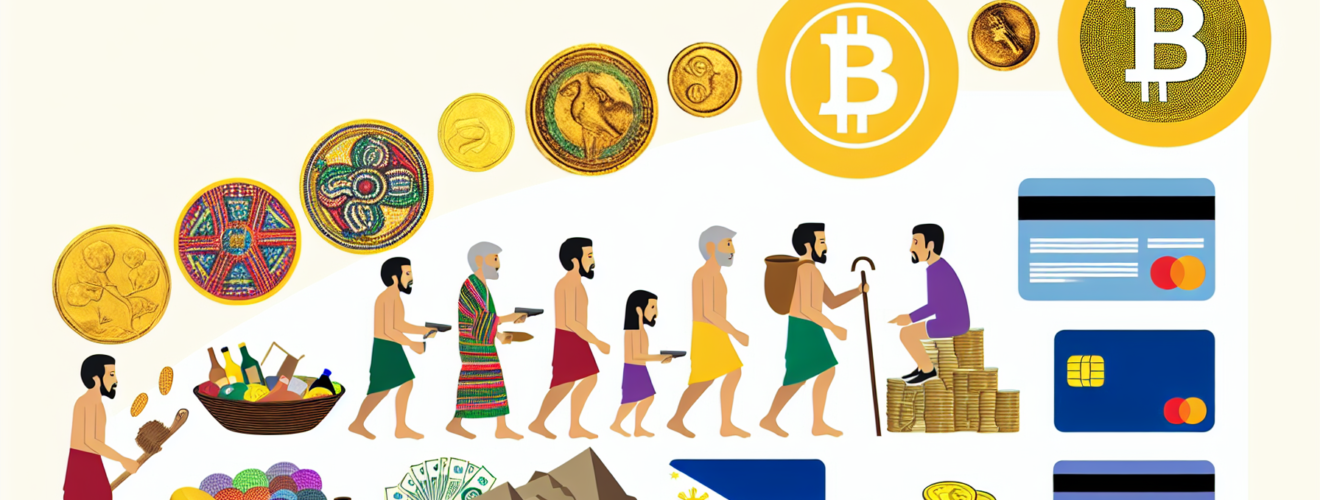
The story of money in the Philippines is a long and rich one. It reflects the history of the nation itself. Money is more than just a tool for trade. It shows the growth of a culture and its ties with the world. From the early days of trade to the rise of digital coins, the Philippine peso has changed many times. This article looks at the path of Philippine currency over the centuries. We will see how it moved from simple barter to the use of modern tech like Bitcoin.
The Age of Barter and Gold
Before the arrival of foreign fleets, the people of the islands used a system of barter. This was a direct trade of goods. Farmers might trade rice for fish or salt. Groups from different islands also traded with merchants from China and other lands. They used local goods like wax, cotton, and pearls. Trade was the main way to get what people needed to live and grow. It was a simple system based on trust and the value of the items themselves.
Piloncitos and Early Gold
As trade grew, people needed a more standard way to pay. Gold was common in the islands at that time. This led to the creation of the first local coins known as piloncitos. These were small bits of gold with a shape like a cone. They often had a mark on them written in an old script called Baybayin. These gold bits are the oldest known coins in the Philippines. They prove that a formal trade system existed long before the Spanish arrived. Gold was used because it was easy to carry and did not lose its value over time.
Aside from gold, people used cowry shells as a form of small change. These shells were easy to find and hard to fake. They were used in many parts of Asia for trade. The use of shells and gold together showed a complex way of thinking about value. This early era laid the groundwork for the more formal systems that would come later under foreign rule.
The Spanish Colonial Period
When the Spanish came in the 16th century, they brought new forms of money. The most famous was the silver dollar, or the Real de a Ocho. This coin was used for trade all over the world. It was the main currency for the Manila Galleon trade. This trade linked Manila to Acapulco in Mexico. For hundreds of years, silver flowed into the islands from the Americas. This made the Philippines a hub for global trade in the East.
The Birth of the Peso
In the mid-1800s, the Spanish crown felt a need for local control over money. In 1861, they set up the Casa de Moneda de Manila. This was the first mint in the country. It produced gold coins called pesos fuertes. These were the first coins to officially use the name peso. Later, the mint produced silver coins as well. This gave the colony a sense of order. It also made trade with other nations much easier and more organized.
During this time, the first bank was also opened. It was called El Banco Español Filipino de Isabel II. This bank printed the first paper money in the country. These notes were called pesos fuertes. They could be changed for gold or silver at the bank. The rise of paper money was a big step. it allowed for larger trades without the need to carry heavy bags of metal coins.
Revolution and the First Republic
In the late 1890s, the Filipinos fought for their freedom from Spain. General Emilio Aguinaldo led this move. He knew that a free nation needed its own money. The new government made its own coins and paper notes. These were the first truly Filipino coins. They showed the pride of a new nation. However, this period was short. The war with the United States began soon after, and the new currency did not last long in the market.
Most of these revolutionary coins are very rare today. They serve as symbols of the fight for liberty. They show that the desire for a local currency was tied to the desire for a free state. Even in the heat of war, the leaders tried to keep the economy stable. They wanted to show the world that the Philippines could govern itself and manage its own wealth.
The American Era and World War II
The United States took over the islands in 1898. They changed the money system to match their own. In 1903, the Coinage Act was passed. This set the peso to the value of half a U.S. dollar. It was backed by gold. This gold standard made the Philippine peso very stable. It was one of the strongest currencies in Asia at that time. New silver coins and paper notes called silver certificates were released into the market.
The Hardship of Occupation
World War II brought dark times for the economy. When Japan occupied the islands, they printed their own paper notes. These notes had no backing and were printed in huge amounts. People called them Mickey Mouse money because they felt like toys. Prices went up very fast. This is called hyperinflation. It took a whole bag of money just to buy a loaf of bread. This era showed how fragile a money system can be when it loses the trust of the people.
After the war, the U.S. and the Philippines released Victory Notes. These were old notes with the word Victory printed on the back. They were meant to show that the war was over. They helped restore trust in the system. The economy slowly began to heal as the country prepared for full freedom in 1946.
The Central Bank and the Modern Peso
In 1949, the Central Bank of the Philippines was born. This was a major event. It meant the country could finally manage its own money supply. Over the next few decades, the bank released several series of notes. The first was the English Series. Later, the Filipino Series was launched to reflect the local culture. The names of the notes were changed from dollar to peso and centavo to sentimo.
New Designs and Polymer Notes
In recent years, the Bangko Sentral ng Pilipinas or BSP has updated the look and feel of the money. The New Generation Currency series was launched in 2010. These notes have bright colors and show famous Filipinos and natural sights. They also have new safety features to stop fakes. Recently, the BSP started using polymer for the 1000-peso note. This plastic-like material lasts longer than paper. It is a sign of how the country uses new tools to keep the money system strong and safe.
The Rise of Digital Money and Bitcoin
We are now in a new age of money. More people use apps to pay for goods. Services like GCash and Maya have changed how Filipinos spend. You do not always need a wallet full of cash anymore. This shift to digital pay is fast and easy. It helps people who do not have bank accounts to join the modern economy. The government supports this move as a way to help more people grow their wealth.
The Role of Bitcoin
In the last ten years, Bitcoin and other digital coins have become popular. These are not made by a bank. They live on a network of computers. In the Philippines, many people use Bitcoin to send money home or as a way to save. The BSP was one of the first in the region to set rules for these digital assets. They want to make sure the tech is used in a safe way. While Bitcoin is not a legal tender like the peso, it is a big part of the new financial world.
The move from barter to Bitcoin shows how much the world has changed. From trading shells to sending digital coins in a second, the goal is still the same. People want a way to store value and trade with others. The Philippine peso will likely keep changing as new tech comes along. The history of the peso is a story of growth, change, and hope for a better future.
Sources
Bangko Sentral ng Pilipinas. (n.d.). The history of Philippine currency. Retrieved from https://www.bsp.gov.ph
Corpuz, O. D. (1997). An economic history of the Philippines. University of the Philippines Press.
Legarda, A. J. (1976). Piloncitos to pesos: A brief history of coinage in the Philippines. Central Bank of the Philippines.
National Historical Commission of the Philippines. (2012). Money and the Philippine revolution. Government Printing Office.
Sicat, G. P. (2003). The Philippine economy: History and prospects. Anvil Publishing.