How to Spot Misinformation: A Guide to Media Literacy
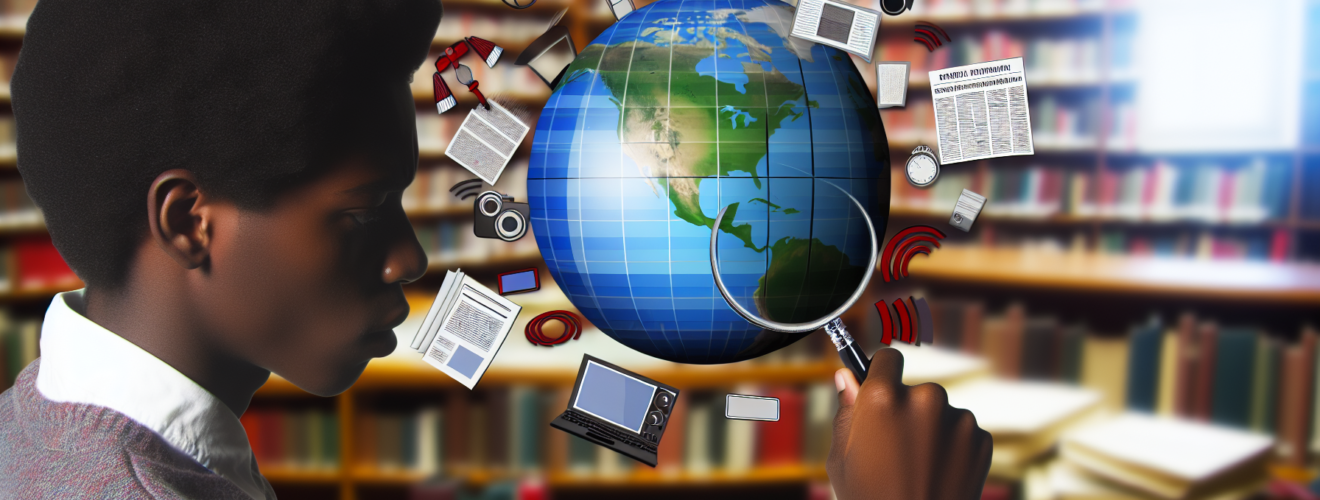
In the modern world, news reaches us with great speed. We use our phones and computers to stay informed at all times. This flow of news brings many benefits to our lives. However, it also brings a set of risks that we must manage. Not every post we see online is true. Some pieces of media contain errors or false claims. To navigate this space, we need a skill called media literacy. Media literacy allows us to look at news with a critical eye. It helps us find the truth in a sea of data. This guide will teach you how to spot false news. We will look at simple ways to check the things you read. By the end, you will have a clear set of tools to use every day.
The Nature of Misinformation
We must first define what we are looking for. There are two main types of false news. The first type is misinformation. This is when someone shares a fact that is wrong, but they do not mean to lie. They might just be mistaken. They think the news is real and want to help others. The second type is disinformation. This is much more serious. Disinformation is news that is false on purpose. It is created to trick people. The goal may be to change an election or to make money. In both cases, the result is the same. The public gets the wrong idea about the world. This can lead to bad choices and confusion.
It is important to know why people make these posts. Some sites want to get clicks. Clicks lead to ad money. These sites use titles that grab your eye. Often, these titles are not fully true. They use big words to make you feel strong emotions. They might make you feel very angry or very scared. When we feel these things, we are more likely to share the post. This is how false news spreads so fast. We must learn to pause when we feel a strong pull from a headline.
The SIFT Strategy for Fact Checking
Experts in media study suggest a tool called SIFT. This is an easy way to check any story. The first step is to stop. When you see a post that moves you, do not share it yet. Stop and ask if you know the source. If you are not sure, move to the next step. The second step is to investigate the source. Look at who wrote the article. Is the author a real person? Do they have a good history of reporting? You can search for their name online to see what else they have written.
The third step is to find better coverage. This is a very powerful move. You should look for other news sites that are talking about the same thing. If only one site has the story, it might not be true. Trusted news sites usually report on big events at the same time. If you see the same facts on three or four good sites, it is likely real. The fourth step is to trace the claims. Many news stories use quotes or data from other places. You should try to find the original source. See if the data was used in the right way. Sometimes, people take a true fact and change the context to lie to you.
Lateral Reading and Source Analysis
When we read a book, we read from top to bottom. This is called vertical reading. When we check news online, we should use lateral reading. This means you open many tabs in your browser. You look at what other people say about the site you are on. You do not just stay on the site to see if it is good. A site can look very professional but still be full of lies. By looking at other sources, you get a wider view. This helps you see if the site has a bias or a bad track record.
You should also look for bias in the text. Bias is when a writer leans toward one side. Every person has some bias. It is part of being human. However, news should try to be fair. If an article only tells one side of a story, be careful. A good report will show multiple views. It will use neutral words. If the writing is full of insults or praise, it is likely not a neutral report. We should try to read news from many different sides. This keeps our own minds open and fair.
Visual Cues and Timelines
Images can also be used to trick us. Many people use old photos to talk about new events. This is a common way to spread false news. You can use a search tool to see where a photo came from. If a photo from ten years ago is used for a story today, the story is a lie. Also, check the date on every article. Sometimes an old story goes viral again. People think it is happening now, but it is not. This causes panic for no reason. Always make sure the news is current before you tell others about it.
Conclusion
Being a good reader takes practice. It is a duty we all have in the digital age. We must not let false news guide our lives. By using the SIFT method and reading across many tabs, we can find the truth. Remember to check the source and look for bias. Do not let your emotions lead you to share lies. If we all take these steps, we can make the internet a better place. Knowledge is a great power. We must make sure our knowledge is built on real facts. Stay curious and keep checking the news you see every day.