The Impact of Globalisation on Filipino Local Industries
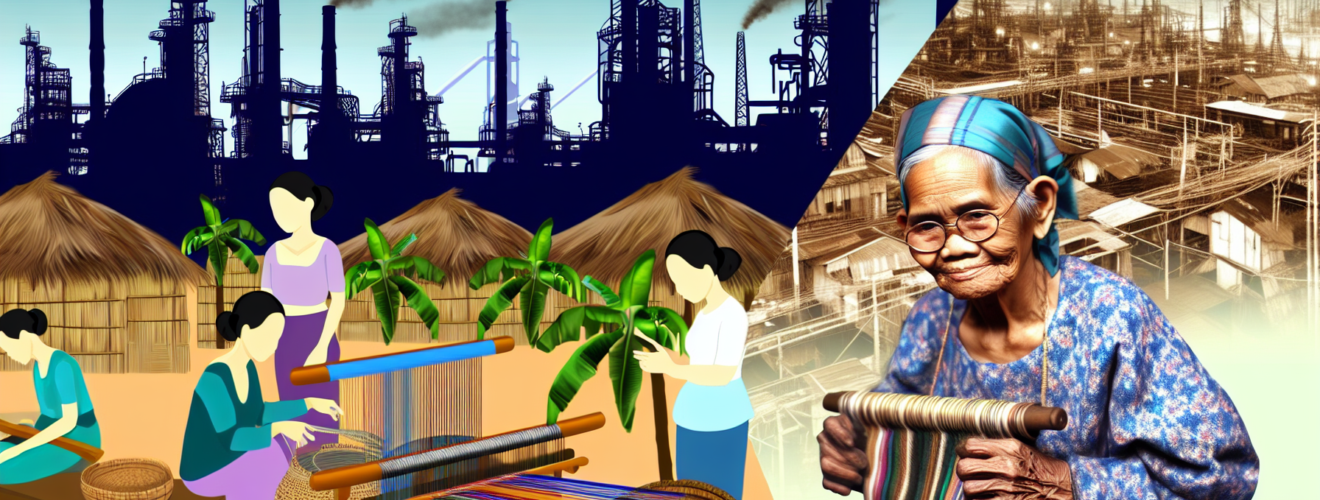
Globalisation is a powerful force that links the world. It involves the flow of goods, money, and ideas across borders. For a country like the Philippines, this process brings many changes. It opens doors to new markets and modern tools. However, it also creates tough competition for local shops and farms. This article looks at how global trade affects Filipino industries. It looks at the good results and the hard tests that local firms face today. By looking at these factors, we can see the true state of the local economy.
The Shift in the Agricultural Landscape
Agriculture is a key part of the Filipino identity. For a long time, it was the main source of jobs in rural areas. Globalisation has changed this sector in big ways. The Philippines joined the World Trade Organisation to trade more with other nations. This move allowed foreign crops to enter the local market easily. Cheap rice and sugar from other countries are now common in local stores. This makes it hard for Filipino farmers to sell their own crops at a fair price. They often lack the tools and funds to compete with large foreign farms.
The Challenge of Cheap Imports
When foreign goods are cheap, local buyers choose them over local ones. This is very true for rice and vegetables. Filipino farmers use old methods that cost more time and money. Foreign farms use high technology and get help from their governments. This gap makes it hard for local crops to stay in the lead. Many farmers feel the weight of this stress. Some have even left their fields to find other jobs in the city. This shift puts the food security of the nation at risk. It shows how global trade can hurt those who are not ready for it.
New Chances for Export Crops
On the other hand, globalisation helps some local products grow. Fruits like bananas and pineapples are popular in the world market. High demand from China and Japan helps local growers earn more. This part of the industry has seen a lot of growth. Globalisation allows these firms to reach millions of new buyers. It brings in foreign cash that helps the economy stay strong. When local firms find a niche, they can thrive. The key is to focus on high-quality goods that other countries want to buy.
Manufacturing and the Rise of Global Brands
The manufacturing sector in the Philippines has seen many ups and downs. In the past, local shops made shoes, clothes, and furniture. Today, global brands dominate the malls and online shops. This change has forced local makers to rethink their plans. Some have closed down because they could not match the low prices of global firms. Others have found ways to work with these big brands. This mix of competition and partnership defines the current state of local making.
Competition in the Retail Market
Local retail firms face a huge test from global giants. Large stores from abroad bring in massive amounts of goods. They use smart supply chains to keep costs low. Local small and medium firms often struggle to keep up. They do not have the same reach or budget for ads. This leads to a market where a few big names hold most of the power. For the local maker, this means they must find unique ways to stand out. They must offer something that a global brand cannot provide, like local flavor or personal service.
The Role of Foreign Investment
Globalisation also brings foreign money into local factories. Many global firms build plants in the Philippines to save on costs. This creates thousands of jobs for local workers. It also brings new skills and tech to the local workforce. While these firms are not truly local, they help the local economy grow. They pay taxes and buy services from local vendors. This shows that globalisation is not just about selling goods. It is also about building a network where different players can work together. This help from abroad can be a bridge to a more modern industry.
The Success of the Service Sector
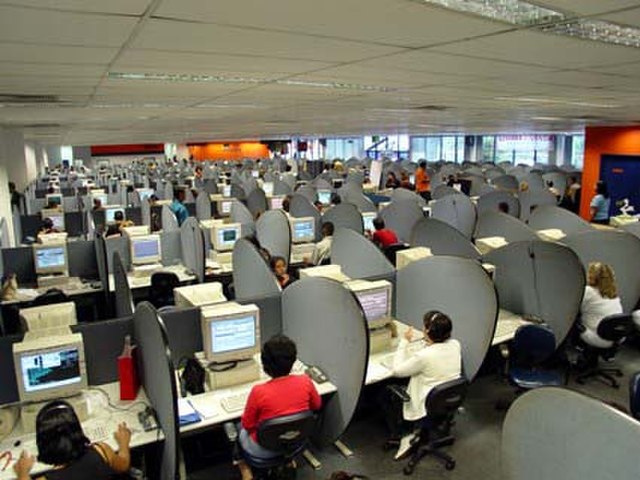
If there is one area where the Philippines shines, it is the service sector. Globalisation has made the country a top hub for business tasks. This is often called the BPO industry. It includes call centers and tech support firms. This sector has grown fast because of the global need for English speakers. Filipinos are known for their great communication skills and hard work. This has turned the service sector into a main pillar of the local economy.
Job Creation and Economic Growth
The BPO sector provides millions of jobs for young Filipinos. These jobs often pay more than traditional roles in farming or making. This has led to the rise of a new middle class. These workers spend their money in local malls and restaurants. This spending helps other local businesses stay afloat. In this way, the success of a global service helps the whole local market. It shows that the Philippines can be a global leader in the right fields. The focus on human talent is a smart way to win in a global world.
The Digital Shift in Local Services
Technology is a big part of globalisation. It has changed how local services work. From food delivery to online banks, the shift is clear. Local firms are now using apps to reach more people. This helps them stay relevant in a world that is always online. Even small shops can now sell to people far away. This digital path offers a way for local firms to bypass old hurdles. By using the internet, they can reach the same level as larger firms. This is a bright spot for the future of Filipino trade.
Policy and the Way Forward
To handle the effects of globalisation, the state must play a role. It is not enough to just open the doors to trade. There must be rules and support for local firms. The government needs to invest in better roads and ports. This makes it easier for local goods to reach the market. They also need to provide training for workers. Education is the best tool to keep the local workforce ready for global shifts. When people have the right skills, they can face any test.
Support for small firms is also vital. Loans with low interest can help a small shop grow. Research and development can help farmers grow better crops. By helping the small players, the state keeps the economy balanced. Globalisation should not just be for the big firms. It should be a tool that helps everyone in the country. With the right plans, the Philippines can turn global risks into local gains. The goal is to build an economy that is both open and strong.
Conclusion
In summary, globalisation has a deep impact on Filipino industries. It brings the world closer but also brings hard choices. Farming faces the heat of cheap imports, while some crops find new fans abroad. Making is tested by global brands but helped by foreign funds. The service sector is a clear winner, showing the power of local talent. Through all this, the need for clear policy is obvious. The Philippines must embrace the global world while protecting its local roots. By doing so, it can ensure a bright and steady future for all its people. Globalisation is here to stay, and the local industry must adapt to thrive.
Sources
Bello, W. (2009). The anti-development state: The political economy of permanent crisis in the Philippines. University of the Philippines Press.
Hill, H. (2000). The Philippine economy in East Asia: A comparative perspective. Economy and Society in the Philippines. Routledge.
Lamberte, M. B. (2002). Central banking and monetary policy in the Philippines. Philippine Institute for Development Studies.
Magtibay-Ramos, N., Estrada, G., & Felipe, J. (2008). An analysis of the determinants of the Philippine service exports. Asian Development Bank.
Sicat, G. P. (2014). Economics. Anvil Publishing, Inc.