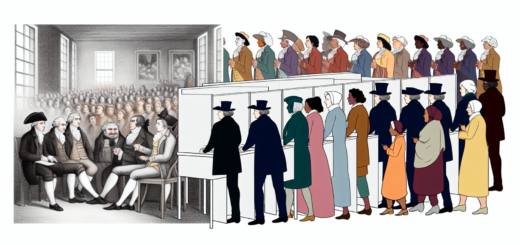
How a Bill Becomes a Law: The Legislative Process
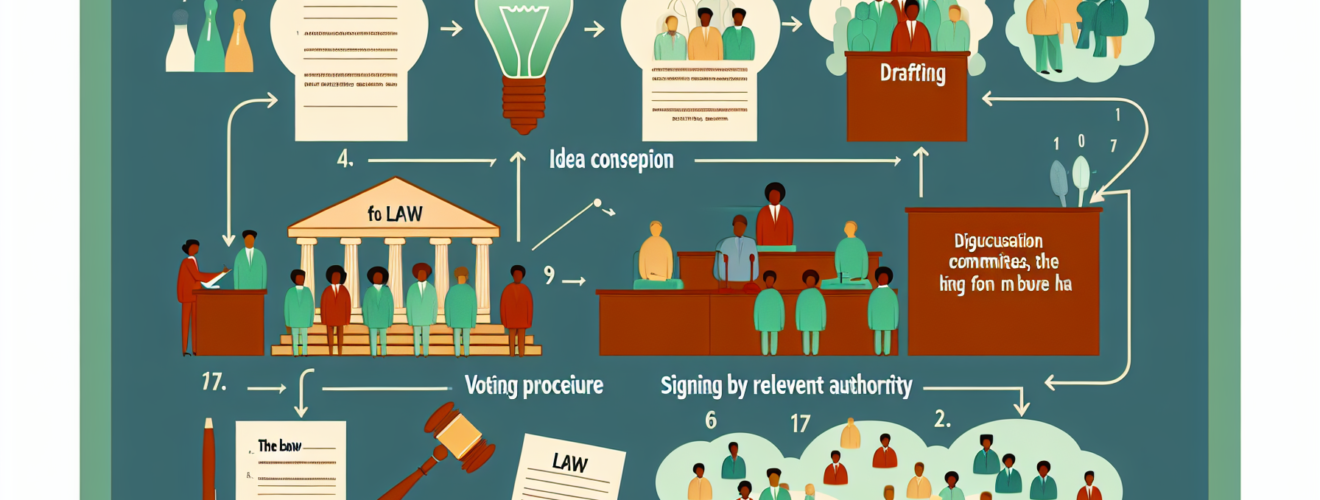
The legislative process in the United States is a complex and vital part of democracy. It ensures that every new law receives careful study. This path from an initial idea to a signed statute involves many steps. Each step serves as a check to keep the system balanced. By design, the process is often slow and hard to navigate. This prevents hasty decisions and promotes debate among leaders. Understanding how a bill becomes a law helps citizens see how their government works. It also shows why some ideas take years to become reality while others fail early on. This article will explore the stages of the federal lawmaking process in detail.
The journey begins with an idea. These ideas can come from many places. A member of Congress might have a vision for a new policy. A group of citizens might ask for a change in the law. Even the President can suggest new rules to help the country. However, only a member of Congress can actually introduce a bill. This person is called the sponsor. Other members who support the bill are called cosponsors. Once a bill is drafted, it is given a number. In the House of Representatives, it starts with H.R. In the Senate, it starts with an S. This label helps everyone track the bill as it moves through the system.
The Role of Congressional Committees
After a bill is introduced, it goes to a committee. This is one of the most important parts of the process. Committees are small groups of members who are experts in specific areas. For example, a bill about farming goes to the Agriculture Committee. A bill about taxes goes to the Ways and Means Committee. Most bills never make it past this stage. This is because committees serve as a filter. They decide which bills are worthy of further study and which ones are not needed. If a committee chooses not to act on a bill, it effectively dies. This happens to thousands of bills every year.
Hearings and Markups
If a committee likes a bill, they hold hearings. During a hearing, the committee gathers information. They invite experts and citizens to speak. These people share their views on how the bill might help or hurt the country. This is a chance for public input. After the hearings, the committee moves to a stage called the markup. In this phase, members meet to debate the bill. They can suggest changes or additions called amendments. They vote on these changes one by one. This ensures the bill is as strong as possible before it goes to the full chamber. If the committee votes to move forward, the bill is reported to the floor.
The committee report is a key document. It explains the purpose of the bill and why the committee supports it. It also lists the costs and effects the bill might have. This report helps other members of Congress understand the bill before they have to vote. Without this detailed study, it would be hard for members to vote on every single issue. The committee system allows for specialized knowledge to guide the whole body. It is the engine room of the legislative branch.
Floor Action and Debate
Once a bill leaves the committee, it goes to the floor of the House or Senate. This is where all members get to see it. The rules for debate are different in each chamber. In the House, the Rules Committee sets strict limits on how long people can speak. This is because the House has many members. In the Senate, the rules are more open. Senators can often speak for as long as they want. This can lead to a filibuster. A filibuster is when a member talks for a long time to delay a vote. It takes sixty votes to end a filibuster and move to a final vote. This makes the Senate a place where consensus is very important.
Voting Procedures
When the debate ends, it is time to vote. There are several ways to vote. Members can say Aye or No out loud. This is called a voice vote. They can also use electronic buttons or stand up to be counted. For a bill to pass, it needs a simple majority. This means more than half of the members present must vote for it. If the bill passes in one chamber, it is sent to the other. The process then starts over. The bill must pass through both the House and the Senate in the exact same form. If the second chamber makes changes, the bill must go back for another look.
This need for agreement creates a challenge. Often, the House and Senate have different ideas. To fix this, they may form a conference committee. This is a temporary group made of members from both sides. Their goal is to find a compromise. They work together to write a single version of the bill. This version is called a conference report. Both the House and the Senate must vote on this final version. They cannot change it at this point. If they both agree, the bill is finally ready for the next big step.
The Presidential Decision
After both chambers pass the same bill, it goes to the President. The President has ten days to act. There are three main options. First, the President can sign the bill. If this happens, the bill becomes a law right away. This is the goal for most bills. Second, the President can choose to do nothing. If Congress is in session, the bill becomes a law without a signature after ten days. This is a way for a President to let a bill pass without giving it their full support. Third, the President can veto the bill. A veto is a rejection. The President sends the bill back to Congress with a list of reasons why they do not like it.
Overriding a Veto
A veto does not always mean the bill is dead. Congress can try to override it. This is very difficult to do. It requires a two-thirds vote in both the House and the Senate. This high bar ensures that the President has a strong say in the laws of the land. If Congress succeeds, the bill becomes a law despite the President’s objection. If they fail, the bill dies. This part of the process shows the balance of power. It prevents any one branch of government from having too much control. The system forces the executive and legislative branches to work together or find broad support for their ideas.
Once a bill becomes a law, it is given a number and printed. It is then added to the official records. The law must be followed by everyone in the country. If the law is found to be unfair, the judicial branch may review it later. This completes the cycle of the three branches of government. Each stage of this process is designed to protect the rights of the people. While it can be frustrating to see bills move slowly, this caution helps maintain a stable and fair society. The legislative process is the heart of a functioning democracy.
Barbour, C., & Wright, G. C. (2021). Keeping the Republic: Power and Citizenship in American Politics (9th ed.). CQ Press.
Congressional Research Service. (2020). The Legislative Process on the House Floor: An Introduction. Government Publishing Office.
Oleszek, W. J. (2019). Congressional Procedures and the Policy Process (11th ed.). CQ Press.
Sullivan, J. V. (2016). How Our Laws Are Made. United States House of Representatives.
U.S. Senate. (n.d.). How a Bill Becomes a Law. Retrieved from https://www.senate.gov/about/how-a-bill-becomes-a-law.htm