The Role of the Agricultural Sector in the Philippine Economy
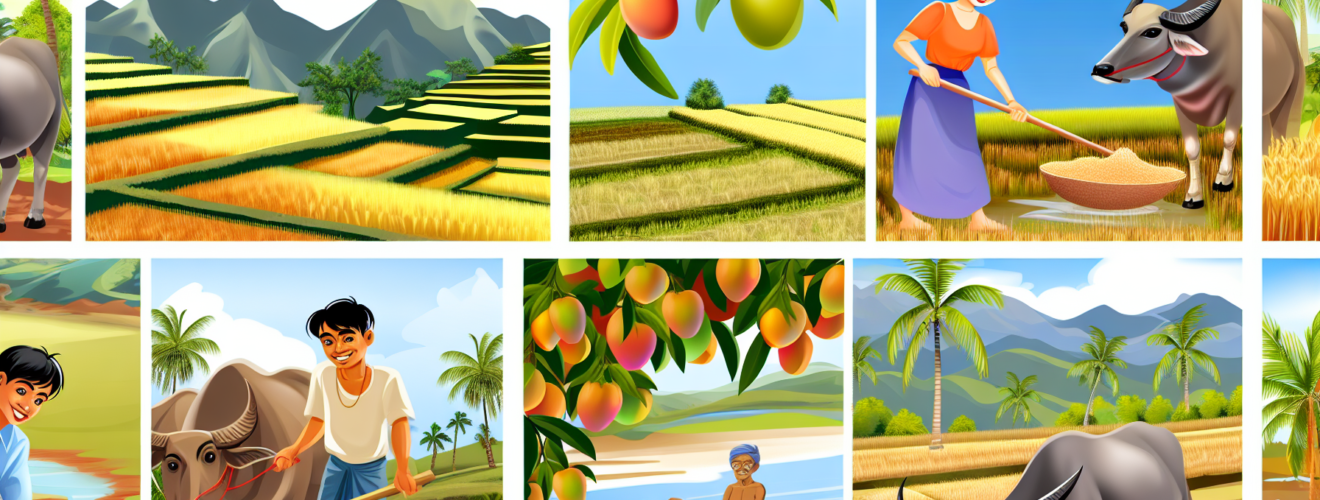
The agricultural sector serves as the primary foundation of the Philippine economy. It plays a vital role in the lives of millions of Filipinos. This sector involves more than just growing crops. It also includes livestock, poultry, and fishing. For many years, agriculture has been a key driver of growth. It provides food for the people and raw materials for factories. Even as the nation moves toward a service-based economy, the land remains a source of wealth. The health of this sector often dictates the health of the whole country. When farms do well, the people eat better. When farms struggle, the economy feels the pain. This article explores the various roles this sector plays and why it must stay strong for the future.
Agriculture acts as a major source of livelihood in the Philippines. It is the second-largest employer after the service sector. Statistics show that about one-fourth of all Filipino workers are in this field. Most of these workers live in rural areas. For these people, farming is not just a job but a way of life. It provides the daily income needed to support families. Without a strong farm sector, poverty in the provinces would rise. The sector helps keep the rural economy moving by creating local demand. It supports small shops, tool makers, and transport services. Thus, the farm sector acts as a safety net for the rural poor.
Economic Contributions and Gross Domestic Product
The contribution of agriculture to the Gross Domestic Product (GDP) is significant. While its share of the total GDP has shrunk over the years, its value remains high. Currently, the sector accounts for nearly ten percent of the national output. This figure might seem small compared to services or industry. However, one must look at the links between sectors. Agriculture provides the inputs for the manufacturing industry. For example, sugar mills need sugarcane and textile mills need fiber. Without the primary sector, many factories would have to stop their work. This connection makes agriculture more important than the GDP numbers suggest. It is the base of the value chain for many local goods.
Foreign trade is another area where the sector shines. The Philippines is a top global exporter of certain goods. These include bananas, pineapples, and coconut oil. These exports bring in billions of dollars in foreign currency every year. This money helps the government pay for imports and balance the budget. High-value crops are the stars of the export market. They show that Philippine soil can produce world-class products. By selling to other countries, Filipino farmers gain access to larger markets. This trade boosts the income of big plantations and small growers alike. It also raises the profile of the country in the global trade arena.
Food Security and the National Interest
Food security is a top priority for any sovereign state. The agricultural sector is the primary source of nutrition for the Filipino people. Rice is the staple food for most citizens. Ensuring a steady supply of rice is vital for social peace. If food prices rise too fast, it can lead to unrest. Therefore, the government focuses much of its energy on helping rice farmers. Beyond rice, the sector provides meat, fish, vegetables, and fruit. A diverse food supply leads to better health for the youth. When the country can feed itself, it is less reliant on foreign aid or imports. This self-reliance is a key goal for national development.
The sector also helps stabilize inflation. Food makes up a large part of the basket of goods used to measure price changes. When local harvests are plentiful, food prices stay low. This makes life easier for the urban poor who spend most of their money on food. On the other hand, a bad harvest can drive up the cost of living for everyone. By investing in better farming methods, the state can keep prices stable. This stability allows the central bank to manage the economy more easily. It also ensures that workers can afford a decent diet without asking for higher wages constantly. Thus, farming helps maintain the overall economic balance of the nation.
Modern Challenges and Structural Barriers
Despite its importance, the sector faces many hard challenges. One major problem is the lack of modern infrastructure. Many farmers still use old tools and manual labor. This keeps productivity low compared to neighboring countries. There is also a lack of good roads from farms to markets. Without these roads, fresh crops often rot before they can be sold. This leads to big losses for the growers. Another issue is the high cost of inputs like seeds and fertilizer. Many small farmers cannot afford these items without taking on heavy debt. These barriers prevent the sector from reaching its full potential as a modern industry.
Climate change is another growing threat to Philippine farming. The country sits in a path that sees many typhoons every year. These storms can wipe out a whole season of work in just a few hours. Rising sea levels and changing rain patterns also hurt crop yields. Farmers now face more pests and diseases than in the past. Droughts can also dry up the fields during the hot months. These natural events make farming a very risky business. Without better crop insurance and flood controls, many farmers will continue to suffer. The sector must adapt to these changes to survive in the long run.
The Role of Technology and Modernization
Modern technology offers a path toward a better future for the sector. The government has pushed for the use of hybrid seeds and better machines. New methods like drone spraying and smart irrigation are starting to appear. These tools help increase the harvest while lowering the cost of work. Digital tools also allow farmers to check market prices in real-time. This helps them get a fair price for their goods. Research centers like the International Rice Research Institute work hard to find better crops. By adopting these new ideas, the sector can become more competitive. It can also attract young people back to the land who might otherwise go to the city.
Government Policy and Future Outlook
The Philippine government plays a big role in shaping the farm sector. Laws like the Rice Tariffication Law have changed how the market works. This law allows more rice imports but uses the tax money to help local farmers. There are also programs to provide easy credit and free training. The goal of these policies is to make farming a profitable business. Instead of just growing enough to eat, farmers are encouraged to grow for the market. This shift from subsistence to business is crucial. It helps turn rural areas into centers of wealth. With the right support, the agricultural sector can lead the way toward a more inclusive economy.
In conclusion, the agricultural sector is the heartbeat of the Philippines. It feeds the nation, employs millions, and supports the industrial base. While it faces many problems from nature and old ways of working, there is hope. Modern tools and smart laws can turn the sector around. A strong farm sector means a strong Philippines. It ensures that the growth of the country reaches those who live far from the big cities. By valuing the land and those who work it, the nation builds a more stable future. Agriculture will always be more than just a part of the economy. It is the very source of life for the Filipino people.
Sources
- Balisacan, A. M., & Hill, H. (2003). The Philippine Economy: Development, Policies, and Challenges. Oxford University Press.
- DA (Department of Agriculture, Philippines). 2022. National Agriculture and Fisheries Modernization and Industrialization Plan 2021-2030: Transforming the Philippine Food System Together. Philippines: DA
- Philippine Statistics Authority. (2023). Selected Statistics on Agriculture and Fisheries. PSA Media Service.
- World Bank. (2020). Transforming Philippine Agriculture: During COVID-19 and Beyond. World Bank Group Reports.