A Brief Explanation of the 1987 Philippine Constitution
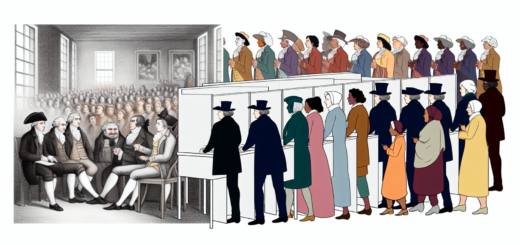
The 1987 Constitution of the Republic of the Philippines is the highest law of the land. It provides the framework for the government. It also lists the rights of every citizen. This document was created after a major change in the country. In 1986, the People Power Revolution took place. This event ended a long period of rule under one leader. The people wanted a new start. They wanted a law that would protect their freedom. This led to the writing of the new constitution. It was finished in late 1986. The people voted for it in February 1987. Today, it remains the foundation of Philippine democracy.
Understanding this law is important for every Filipino. It tells us how our leaders should act. It sets limits on what they can do. The goal is to ensure that power stays with the people. The constitution is not just a list of rules. It is a promise of justice and peace. It aims to build a society that is fair and humane. This guide will look at the main parts of this vital text. We will explore the rights of citizens and the roles of government. We will also see how the law protects the future of the nation.
The Preamble and the National Territory
The Preamble is the opening part of the constitution. It is a short but powerful statement. It speaks for the sovereign Filipino people. It asks for the help of Almighty God. The goal is to build a just and humane society. It also aims for a government that protects our ideals. The Preamble mentions things like truth, justice, and love. It shows that the law is not just about power. It is about the values that make a nation strong. This part of the text sets the tone for everything else that follows.
Article I deals with the National Territory. This part defines the land and water that belong to the country. It includes all the islands in the Philippine archipelago. It also covers the waters around and between these islands. This is important for the sovereignty of the nation. It tells the world which areas are under Philippine control. The article ensures that the natural resources of the country stay with its people. By defining the borders, the law helps to keep the nation safe and whole.
The Bill of Rights
Article III is known as the Bill of Rights. Many people believe this is the most important part of the constitution. It lists the basic rights and freedoms of all Filipinos. These rights protect people from the power of the state. For example, it says that no person shall be deprived of life, liberty, or property without due process of law. This means the government must follow fair rules before they can take action against someone. It also ensures that everyone is equal under the law. No one is above the rules, and no one is below them.
The Bill of Rights covers many areas of life. It protects freedom of speech and the press. It allows people to gather peacefully to talk about their concerns. It also guarantees the right to practice any religion. The law protects the privacy of citizens. For example, the police cannot search a home without a valid reason or a warrant. People also have the right to information on matters of public concern. These rules help keep the government honest. They empower citizens to speak up and participate in their democracy.
The Three Branches of Government
The Legislative Department
The legislative branch makes the laws. This branch is called the Congress of the Philippines. It has two parts: the Senate and the House of Representatives. There are 24 senators who are elected by the whole country. The House of Representatives has members from different districts and sectors. Together, they debate and vote on new laws. They also have the power to check how the government spends money. This branch ensures that the voices of people from all regions are heard. It is a key part of the system of checks and balances.
The Executive Department
The executive branch carries out the laws. The President of the Philippines is the head of this branch. The President is also the head of state and the head of the government. Under the 1987 Constitution, the President serves a single term of six years. This rule prevents anyone from staying in power for too long. The President leads the cabinet and the military. The role is to manage the daily affairs of the country. This branch must follow the laws made by Congress. It must also respect the rights listed in the constitution.
The Judicial Department
The judicial branch explains the laws. It is made up of the Supreme Court and lower courts. The Supreme Court is the highest court in the land. Its job is to settle legal disputes. It also decides if a law or an act is consistent with the constitution. This is called the power of judicial review. If a law goes against the constitution, the court can say it is invalid. This branch protects the legal system. It ensures that justice is served for every citizen. The courts must remain independent from politics to be fair.
The Constitutional Commissions
The 1987 Constitution created three independent bodies. These are the Constitutional Commissions. They are the Civil Service Commission, the Commission on Elections, and the Commission on Audit. These groups are designed to be independent of the three branches of government. This independence helps them do their jobs without political pressure. The Civil Service Commission handles the workers in the government. It ensures that people are hired based on their skills. This helps the government run well and stay professional.
The Commission on Elections, or COMELEC, manages the voting process. They make sure that elections are free and fair. This is vital for a healthy democracy. The Commission on Audit, or COA, looks at how the government uses public funds. They check the records to make sure money is not wasted or stolen. These three commissions act as watchdogs. They help keep the government clean and efficient. By being independent, they provide a layer of safety for the nation. They help maintain the trust of the people in their systems.
Social Justice and Human Rights
Article XIII focuses on social justice and human rights. The constitution says that the state must promote a fair society. This means helping the poor and the weak. The law tells the government to provide more opportunities for those who have less. It covers things like labor rights, land reform, and urban housing. The state must protect workers and ensure they get fair pay. It must also help farmers own the land they work on. These rules aim to reduce the gap between the rich and the poor.
The constitution also created the Commission on Human Rights. This body looks into cases of human rights abuses. It protects the people from any form of cruelty or unfair treatment. The 1987 Constitution is very strong on this point. It wants to make sure that the dark events of the past do not happen again. By focusing on social justice, the law aims for a peaceful nation. It recognizes that true peace comes from fairness. When everyone has a chance to succeed, the whole country becomes stronger.
Conclusion
The 1987 Philippine Constitution is a living document. It reflects the history and the hopes of the Filipino people. It balances the power of the government and the rights of the citizens. Through its various articles, it provides a clear path for the nation. It emphasizes democracy, human rights, and the rule of law. While no document is perfect, this constitution has guided the country for many decades. It serves as a shield for the weak and a guide for the leaders. Every Filipino should learn about its contents. Knowing the law is the first step in protecting the freedom it provides.
References
- Bernas, J. G. (2011). The 1987 Constitution of the Republic of the Philippines: A Commentary. Manila: Rex Bookstore.
- Cruz, I. A. (2015). Constitutional Law. Quezon City: Central Book Supply.
- Official Gazette of the Republic of the Philippines. (1987). The 1987 Constitution of the Republic of the Philippines. Retrieved from https://www.officialgazette.gov.ph/constitutions/1987-constitution/