Primary vs. Secondary Sources: How to Do Historical Research
Historical research is a vital skill. It helps us see the past clearly. This process is not just about reading stories. It is about finding and testing evidence. Researchers use two main types of evidence. These are primary and secondary sources. Both are needed for a full view of history. Knowing the difference is the first step for any student.
Primary Sources: The Foundation of History
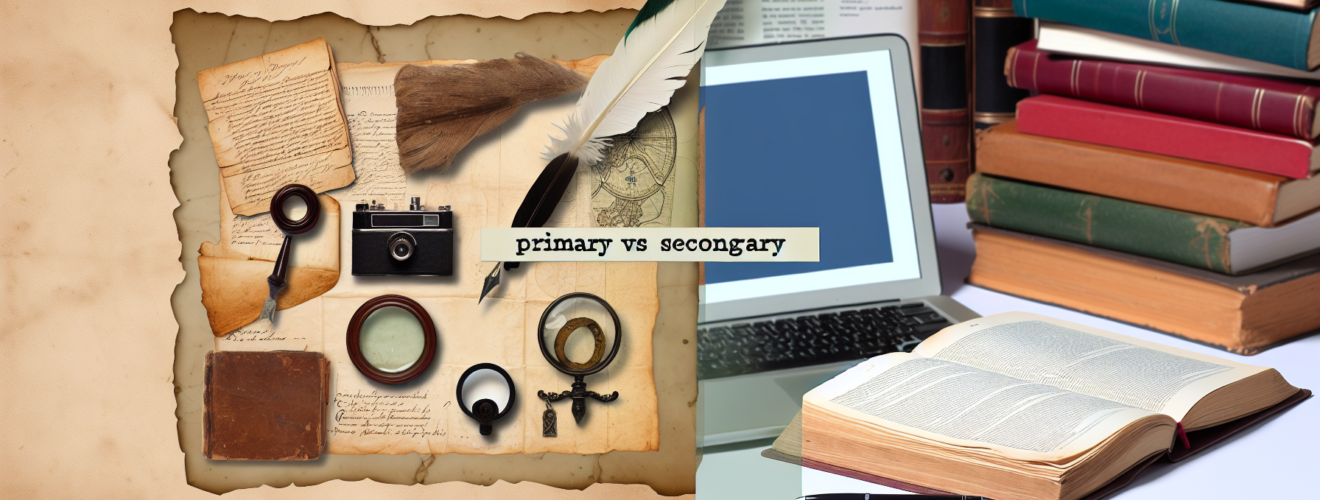
A primary source is a direct link to the past. It was made at the time of the event. It is a first-hand account. This could be a letter, a diary, or a photo. There are many kinds of primary sources. Legal papers and maps are common. Even tools can tell a story. These items are the raw data of history. They show what people thought at a specific moment.
The Challenge of Bias
Primary sources can be hard to use. They often show just one point of view. A diary entry shows only what one person saw. This is called bias. Every source has some form of it. A report might hide bad news. A letter might be written to please a friend. You must look at who made the source and why. This helps you find the truth within the text.
Secondary Sources: Interpretation and Context
Secondary sources are different. They are written after an event has happened. These sources analyze and explain the past. They use primary sources as their evidence. A history textbook is a good example. A biography written today is also a secondary source. These works offer a broad view. They look at many records to tell a larger story. They provide the context we need to understand facts.
Historical Interpretation
These sources help us see the big picture. A modern writer can look at many letters at once. They see patterns that people at the time could not see. They can explain the causes of a war or a movement. Secondary sources often debate each other. Reading these works helps you see how people view history. It shows that history is a conversation among many different experts.
Using Bibliographies
To start your work, look at secondary sources first. They give a good overview of your topic. They tell you who the key players were. Most importantly, they point you to primary sources. Look at the list of sources at the end of a book. This list is a map for your own work. It can lead you to the specific records you need for your project.
The Research Process: Critical Thinking
Evaluating your sources is key. You must ask hard questions. Who wrote the text? What was their goal? A news report from the day is different from a book written much later. Memories can change over time. Goals can change too. Knowing the background of your source helps you decide if it is fair. This skill is vital for any researcher who wants to be accurate and honest.
Context and Corroboration
Context is another vital part of history. No event happens alone. Everything is tied to the world around it. To understand a source, you must know what else was going on. What were the laws then? What were the social norms? This is where secondary sources help. They give you the background to read old texts with a clear eye. Without context, you might misunderstand the past.
Corroboration is the final step. This means looking for many sources that say the same thing. One letter is interesting. Five letters and a news report make a fact. When sources disagree, you must figure out why. Perhaps one author had a motive to lie. Comparing sources helps you find the most accurate truth. This is how you build a strong case in your research work.
Research in the Digital Age
Technology has changed how we do research. Many archives are now online. You can view rare books from your home. However, the rules remain the same. You still need to think like a detective. You must check your sources for truth. Mastering these skills will make your work much better. It helps you build an honest view of the human story.