Women of the Revolution: The Unsung Heroines of Philippine History
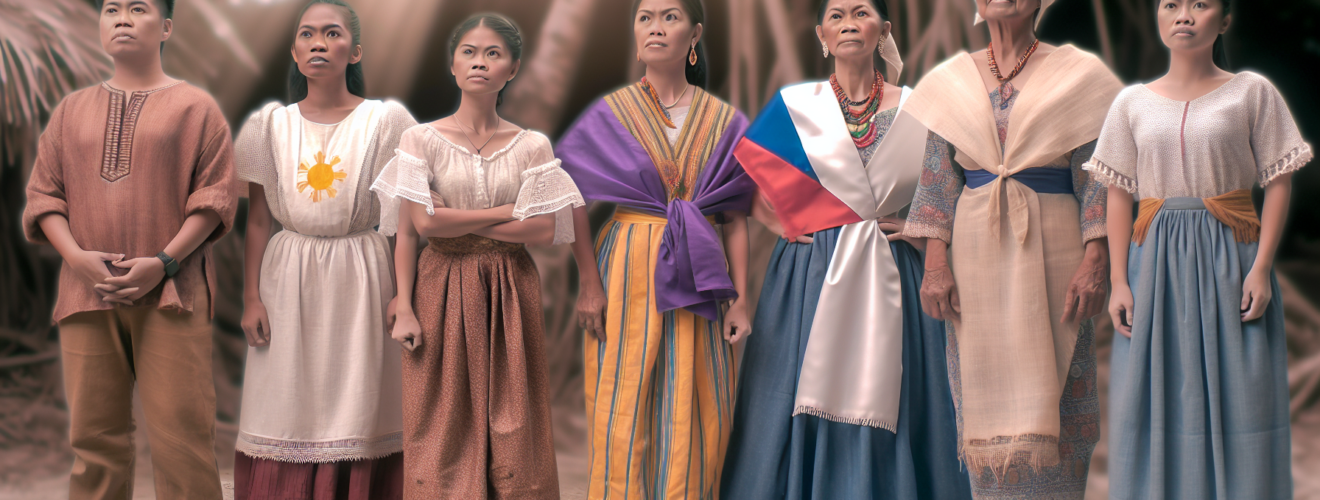
Many histories of the Philippine Revolution focus on famous men. Yet women shaped the struggle in key ways. They carried messages, hid papers, raised funds, and gave safe space to rebels. Some also fought, wrote, and organized. Their work often stayed unseen because it looked “ordinary.” In truth, it was essential. This article highlights several women whose choices helped move the nation toward freedom.
Women and the Revolution: Why Their Work Mattered
Revolutionary movements depend on trust, speed, and secrecy. Women often made these possible. They used family ties, market networks, and community roles to pass news and supplies. Because colonial officials watched male leaders closely, women could sometimes move with less suspicion. This was not always safe. Homes were searched, letters were seized, and arrests were common.
Their work also mattered in another way. Women gave the Revolution an ethical core in daily life. They nursed the wounded, fed fighters, and kept families together during raids. These acts were not simply “support.” They were forms of resistance that sustained morale and allowed rebel groups to survive longer.
Gabriela Silang: Leadership in a Time of War
Gabriela Silang is often remembered for taking command after the death of her husband, Diego Silang, in 1763. Although her struggle occurred earlier than 1896, her story shaped later ideas of courage and national dignity. She led forces in Ilocos against Spanish authority. She helped organize defenses, rally fighters, and keep their cause alive under intense pressure.
Her capture and execution showed the harsh risks faced by women who led openly. Yet her example endured. Later revolutionaries drew strength from stories like hers, where leadership was defined by action rather than gender. She remains a symbol of how women could stand at the center of armed resistance.
Melchora Aquino: The Revolution’s Mother
Melchora Aquino, known as Tandang Sora, supported the Katipunan during the 1896 Revolution. She offered her home as a refuge and meeting place. She gave food, care, and guidance to wounded and hungry fighters. Her role was practical, but it was also political. Shelter and supplies were lifelines when rebel camps were scattered.
Spanish authorities arrested and exiled her despite her age. This reveals how the colonial state understood her influence. Aquino’s story counters the myth that women’s work was marginal. Her quiet service created a stable base for revolutionary activity, and her sacrifice became a moral lesson for later generations.
Trinidad and Gregoria: Working at the Heart of the Katipunan
Trinidad “Trining” Rizal, sister of José Rizal, joined the Katipunan and helped keep its secrets. She took part in meetings and handled messages. Through her actions, she showed how the Revolution relied on families and trusted circles. Her participation also reminds us that national struggle did not end with the death of one hero. It continued through networks that included women.
Gregoria de Jesus, called the “Lakambini ng Katipunan,” played a central role as well. As the wife of Andrés Bonifacio, she is often described only in relation to him. Yet she guarded documents, carried funds, and managed communications. She also faced raids and interrogation. Her memoir accounts, along with other records, help historians see the Revolution from a ground-level view, where danger shaped daily routines.
Josefa Llanes Escoda: Memory, Welfare, and National Duty
Josefa Llanes Escoda is more closely linked to the later fight against foreign occupation, yet her life reflects the same revolutionary tradition of service and nation-first duty. She helped build civic programs that trained women and youth for public work. During war, she aided the vulnerable and supported underground efforts. Her disappearance and presumed death made her a martyr for both freedom and human rights.
Including her in this narrative helps widen the frame. “Revolution” is not only a single event in 1896. It is also a long process of defending dignity, building institutions, and protecting communities. Women like Escoda carried that process forward in modern forms.
Why These Heroines Were Often Left Out
Women’s actions were frequently described as private, emotional, or domestic. This language made their labor seem less historical. Some sources also favored official leaders and military events. As a result, work like nursing, courier duty, and community organizing was not recorded with equal care, even though it shaped outcomes.
Today, historians use letters, memoirs, oral histories, and local archives to recover these stories. When we broaden what counts as political work, women become easier to see. Their contributions were not exceptions. They were part of the Revolution’s structure.
Conclusion: A Fuller Story of the Nation
The Philippine Revolution was not made by men alone. It was made by communities under strain, and women were vital to those communities. They led, sheltered, organized, wrote, and endured punishment. By remembering Gabriela Silang, Melchora Aquino, Trinidad Rizal, Gregoria de Jesus, and Josefa Llanes Escoda, we gain a clearer view of how change happens. A nation’s freedom is built not only in battles, but also in the steady courage of those who keep the struggle alive.