
The Fall of the Roman Empire: 5 Key Lessons for Modern Societies
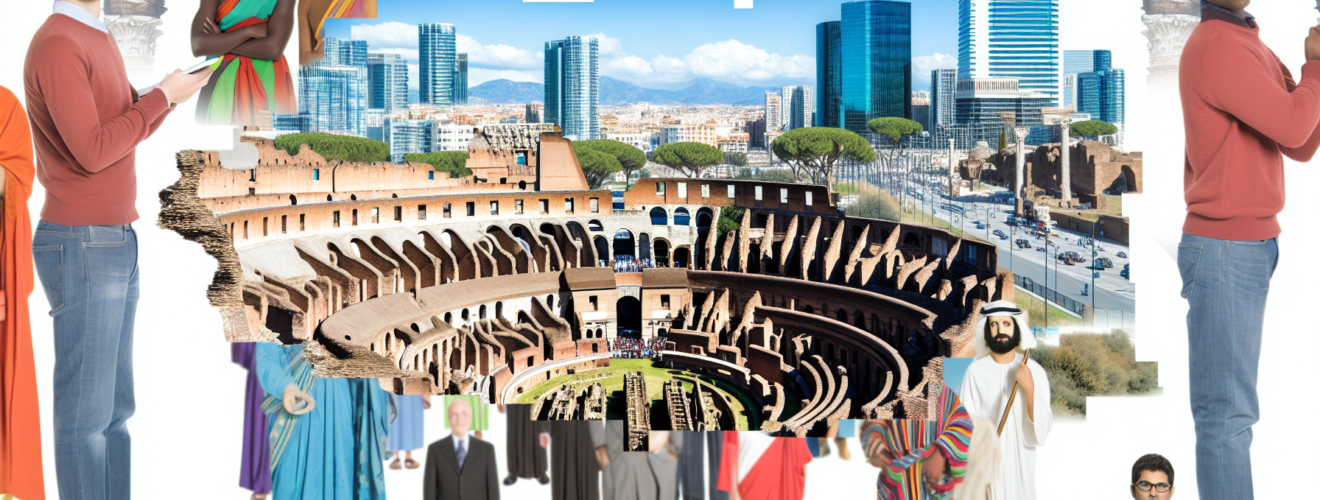
The Roman Empire remains one of history’s most studied states. It ruled wide lands, built strong roads, and shaped law and language. Yet it also declined and broke apart in the West. Historians still debate causes, but many patterns are clear. These patterns can help modern societies. Rome’s story is not a simple warning that “all empires fall.” It is a rich record of how stress builds when leaders ignore long-term risks. The lessons below draw on common findings in Roman studies and on basic ideas from political economy and public policy.
Because the topic is often used in politics, it is vital to stay careful. Rome fell over centuries, not in a single year. Some regions stayed strong, and the Eastern Empire endured. Still, the Western Empire lost fiscal capacity, social trust, and control of its borders. When key systems weakened at the same time, the state could not recover. Modern societies can use this case to think about resilience, legitimacy, and shared responsibility.
Lesson 1: Strong institutions matter more than strong leaders
Rome had gifted rulers, yet its deeper strength came from public offices, courts, and norms. Over time, power shifted toward the army and the imperial court. In many periods, rulers changed fast and by force. This harmed planning and made laws feel unstable. When people expect sudden political change, they invest less and trust less.
Modern states also face the risk of over-personalized rule. Elections, civil services, and independent courts help policies outlast a single leader. Clear rules for succession and limits on emergency power reduce fear and prevent violent contests. The Roman case suggests that when institutions weaken, even talented leaders cannot hold the system together for long.
Lesson 2: Fiscal health is a form of national security
Rome relied on taxes, loot from conquest, and control of trade. As expansion slowed, the state lost a key income stream. At the same time, costs rose. Armies were large, borders were long, and civil administration grew. To fill gaps, emperors debased coinage and raised taxes. Prices rose, trust in money fell, and local economies strained.
Modern parallels are clear. Debt, inflation, and weak tax collection limit what a state can do during crisis. Fiscal stress can also fuel social conflict if burdens seem unfair. The lesson is not “never spend.” It is to match long-term promises with real revenue and to protect the credibility of the currency. When public finance breaks down, defense, welfare, and infrastructure all suffer at once.
Lesson 3: Social cohesion and legitimacy are strategic assets
Rome governed many peoples with different languages and faiths. At its best, it offered a path to citizenship, legal protection, and shared identity. Over time, inequalities sharpened in some areas. Patronage networks and corruption could weaken confidence in fairness. When citizens feel the system serves only elites, loyalty declines.
Modern societies can draw a practical point: legitimacy is built through equal treatment, predictable law, and visible competence. Social policy, education, and fair taxation are not only moral aims. They also reduce the space for unrest and extremism. Rome shows that when people withdraw trust, states must rely more on force, which is costly and often ineffective.
Lesson 4: Managing migration and borders requires capacity and integration
Late Rome faced intense pressure from movements of Goths and other groups, driven by conflict and climate shifts beyond the frontier. Sometimes Rome settled migrants as farmers or soldiers. At other times, poor administration and exploitation produced revolt. The issue was not simply “outsiders.” It was the state’s uneven ability to screen, settle, and integrate newcomers.
Today, migration can bring labor, skills, and cultural exchange. It can also strain services when governance is weak. The Roman case supports a balanced approach: invest in border administration, reduce incentives for smuggling, and build fair paths to legal status and work. Integration policies matter, because social exclusion can turn a manageable flow into a security crisis.
Lesson 5: Resilience depends on adapting to complex, linked risks
Rome’s decline involved more than politics. Plague reduced population and tax base. Climate variability affected harvests. Supply chains could fail, especially for grain. Civil wars disrupted trade and weakened defenses. These shocks interacted. A bad harvest was worse when coinage was unstable. A border threat was worse when a civil war split the army.
Modern societies face similar risk clusters: pandemics, cyber attacks, climate stress, and fragile supply chains. Rome teaches that resilience comes from redundancy and foresight. Governments can diversify energy and food sources, strengthen public health, and plan for extreme events. They can also protect critical infrastructure and support local capacity so regions can respond fast when central systems strain.
Conclusion
The fall of the Western Roman Empire was a long process, shaped by internal choices and external pressures. Its lessons are not a script for modern decline, but a guide for modern prevention. Strong institutions, sound finance, social legitimacy, capable border management, and planning for linked risks all reduce vulnerability. Rome’s history suggests that collapse is rarely sudden; it is often the end point of many small failures. The most useful response is steady investment in public systems before crisis makes reform impossible.