Understanding Inflation: Why Your Money Buys Less Over Time
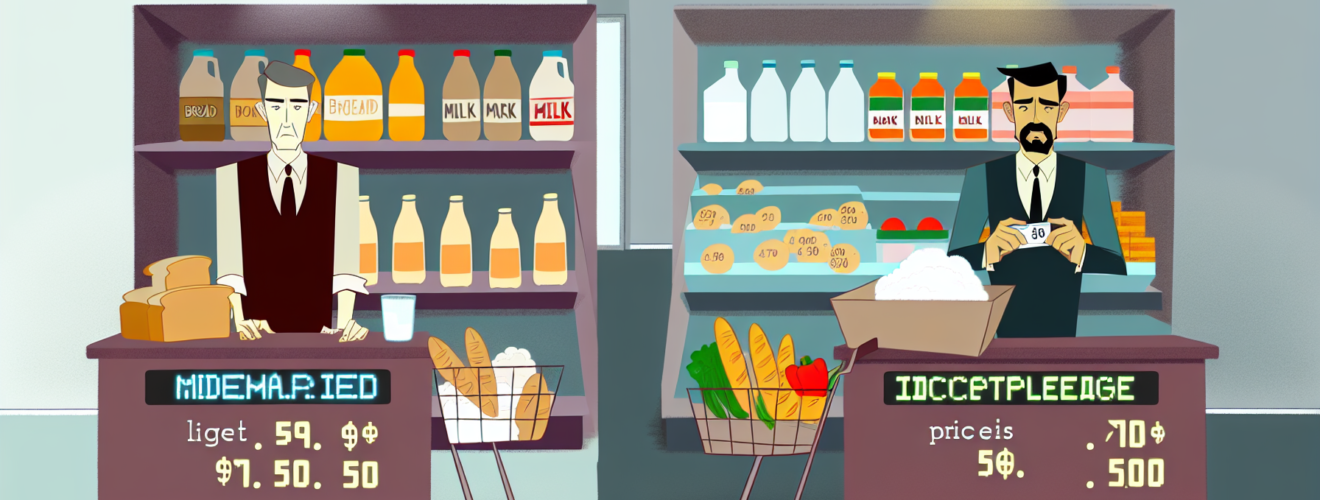
Inflation is a steady rise in the average price of goods and services. When inflation happens, each dollar buys fewer things than it did before. This is why people often feel that groceries, rent, and gas cost more each year, even if their habits do not change. Inflation is not always dramatic, and it can be mild for long periods. Yet even small increases add up over time. Understanding how inflation works can help you plan, save, and make better choices about spending and investing.
In simple terms, inflation reduces the purchasing power of money. Purchasing power is what your money can actually get you in the real world. If prices rise but your income stays the same, your standard of living may fall. If income rises at the same pace as prices, you may feel stable. If income rises faster than prices, you may be better off. These basic relationships explain why inflation matters for households, businesses, and governments.
What Inflation Means in Everyday Life
Inflation is usually measured as a percentage change in prices over a year. For example, if inflation is 3%, something that cost $100 last year may cost about $103 this year. That does not seem like a large change, but repeated year after year it becomes significant. Over ten years, a steady 3% inflation rate can raise prices by roughly one third. The result is that savings held as cash lose real value unless they earn interest that keeps up.
People often notice inflation in items they buy often. Food and energy prices can move quickly, so they shape public perception. Still, inflation is broader than a few items. Price changes occur across many categories, including housing, health care, education, and transportation. Some prices rise faster than others, and some may even fall, but the overall trend is what defines inflation.
Why Prices Rise Over Time
Inflation has multiple causes, and these causes can overlap. Economists often group them into demand-pull inflation, cost-push inflation, and inflation driven by expectations. Each type helps explain different episodes, from post-recession recoveries to supply disruptions. The key point is that inflation is not a single force. It is the outcome of many decisions made by consumers, firms, and policymakers.
Demand-Pull Inflation: Too Much Spending
Demand-pull inflation occurs when overall demand for goods and services grows faster than the economy’s ability to produce them. When shoppers want more, businesses can raise prices without losing many customers. This can happen when employment is high, wages rise, or credit is easy to get. It can also happen when government spending increases. In these cases, inflation reflects strong economic activity, but it can still strain household budgets.
Cost-Push Inflation: Higher Costs for Businesses
Cost-push inflation happens when businesses face rising costs and pass them on to customers. Common examples include higher wages, higher fuel costs, or shortages of key materials. Supply chain disruptions can also raise costs by delaying inputs and reducing available goods. When firms pay more to produce or deliver products, they often raise prices to protect profits. Even if demand is not booming, prices can rise because supply has become more expensive or limited.
Inflation Expectations: A Self-Fulfilling Loop
Expectations also matter. If workers expect prices to rise, they may ask for higher wages. If firms expect higher costs, they may raise prices earlier. If lenders expect inflation, they may charge higher interest rates. This can create a feedback loop in which the belief that inflation will continue helps keep it going. Central banks pay close attention to expectations because stable expectations make inflation easier to manage.
How Inflation Is Measured
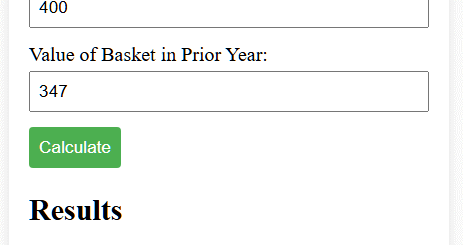
Inflation is commonly tracked using price indexes. In the United States, a major measure is the Consumer Price Index (CPI), which estimates changes in the prices of a “basket” of goods and services that households typically buy. Another measure is the Personal Consumption Expenditures (PCE) price index, which uses a broader set of spending data. Each index has strengths and limits, but both aim to capture how the cost of living changes over time.
These measures are averages, so they may not match any single person’s experience. A renter may feel housing inflation more than a homeowner with a fixed mortgage. A family that drives long distances may feel gasoline price swings more sharply. Still, indexes provide a practical way to summarize trends and guide decisions in policy and business planning.
Why Inflation Matters for Savings and Debt
Inflation affects both sides of a household balance sheet. For savers, inflation is a challenge because it erodes the real value of money. If your savings account earns 2% interest but inflation is 3%, your real return is negative. This is why people look for investments that can outpace inflation over long periods, although those options often involve risk and price swings.
For borrowers, inflation can have mixed effects. If you have a fixed-rate loan, higher inflation can make it easier to repay because your wages may rise while your monthly payment stays the same. However, if inflation leads to higher interest rates, new borrowing becomes more expensive. Variable-rate loans may also become harder to manage. In short, inflation can reduce the burden of existing fixed debt while raising the cost of future credit.
How Policymakers Try to Control Inflation
Central banks, such as the Federal Reserve, influence inflation mainly through interest rates. When inflation is too high, central banks may raise rates to reduce borrowing and spending. This can slow the economy and ease price pressures. When inflation is too low, they may lower rates to encourage spending and investment. The goal is often price stability, which supports planning, long-term contracts, and steady growth.
Fiscal policy also matters. Government taxes and spending affect total demand in the economy. In some cases, policymakers may reduce spending growth or raise taxes to cool demand. In other cases, they may increase support during downturns even if it risks higher inflation later. Because inflation has many causes, controlling it often requires trade-offs and patience.
Conclusion: Protecting Your Purchasing Power
Inflation explains why money buys less over time. It reflects changes in demand, production costs, and expectations, and it is shaped by policy choices. While moderate inflation is common in modern economies, it still affects daily life in important ways. By understanding inflation, you can better interpret price changes, evaluate wage growth, and make informed decisions about saving, borrowing, and investing. The central lesson is simple: over time, holding money without a plan can quietly reduce what that money can do for you.