Three Branches of Government: The Importance of Checks and Balances
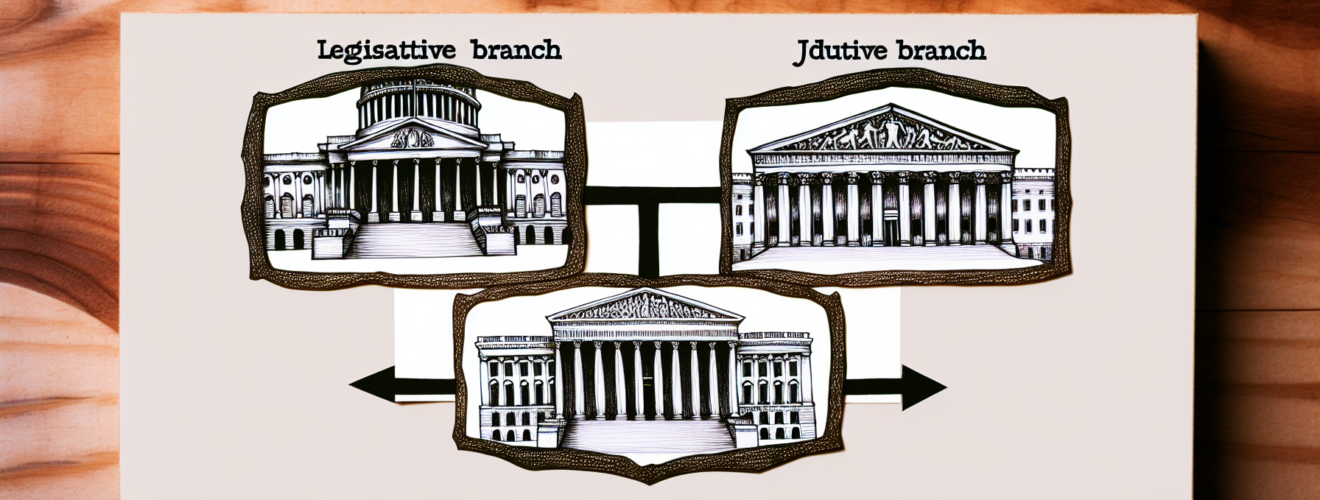
The government of the United States relies on a very clear plan. This plan splits the power of the state into three parts. These parts are the legislative, executive, and judicial branches. This system is known as the separation of powers. The goal of this design is to protect the people. It keeps any one person or group from having too much control. By sharing power, the nation stays balanced and fair. This structure was built by the founders of the country. They wanted to ensure that the government would always serve the public good. It is a system that has lasted for many years. It provides a stable framework for the law. This article will explain how each part works. We will see why this balance is so important for a free society.
The Legislative Branch and the Creation of Law
The legislative branch is the part of government that makes the laws. It is known as Congress. This body has two distinct parts. These are the Senate and the House of Representatives. Each part has a unique role to play in the process. Members of the House represent local districts. Members of the Senate represent entire states. This two-part system is called a bicameral legislature. It ensures that both small and large states have a fair voice. This branch is the most direct link to the citizens. Voters choose these leaders to speak for their interests. Because of this, the legislative branch is often called the voice of the people. It is where the debate over the future of the nation happens. This is a very active and public part of the government.
Congress has several key powers beyond making laws. One of the most important is the power of the purse. This means that Congress controls how the government spends its money. No agency can spend funds without the approval of the legislature. This acts as a major check on the other branches. Congress also has the power to declare war and tax the public. They can also confirm or reject people for high offices. This includes judges and cabinet members. These powers make the legislative branch very strong. However, they must work within the rules of the Constitution. Every law they pass must be fair and clear. This ensures that the rules of the land are based on the will of the citizens.
The Executive Branch and the Duty of Enforcement
The executive branch is responsible for carrying out the laws. The President of the United States leads this branch. He or she serves as both the head of state and the leader of the government. The President works with a group of advisors called the Cabinet. This branch also includes many departments and agencies. These groups manage the daily work of the country. They handle things like schools, roads, and national safety. The executive branch is the largest part of the government. It employs millions of people to keep the nation running. The President ensures that the laws passed by Congress are actually put into practice. This requires a great deal of organization and effort. It is a vital role for a stable country.
The President also has significant powers in foreign policy. He or she acts as the commander in chief of the military. The President meets with leaders from other nations to make deals and build peace. Another key power is the ability to sign or veto bills. When Congress passes a law, the President must look at it. If the President agrees, he or she signs it into law. If the President does not like the bill, he or she can veto it. This is a clear example of how the branches check each other. The executive branch must also work with the courts. They must make sure that their actions follow the rules of the Constitution. This ensures that the President does not act with total authority.
The Judicial Branch and Legal Interpretation
The judicial branch is the system of courts that explains the law. At the top of this system is the Supreme Court. There are also many lower federal courts across the country. The main job of these courts is to solve legal disputes. They look at the laws and decide what they mean in specific cases. This branch ensures that the law is applied fairly to everyone. One of their most vital powers is known as judicial review. This allows the courts to look at a law and see if it fits the Constitution. If a law violates the rights of the people, the court can strike it down. This makes the judicial branch a final guard for justice. It protects the basic freedoms of every person in the nation.
Judges in the federal system are appointed for life. This is a very important part of their role. Because they do not have to run for election, they are not tied to politics. They can focus purely on the law and the facts of each case. This independence is key to a fair legal system. It allows the courts to make decisions that might be unpopular but are legally correct. The judicial branch acts as a neutral party in the government. They do not make laws or enforce them. Instead, they make sure that the other two branches stay within their limits. This creates a safe space for the rule of law to thrive. It helps maintain the trust of the public in the legal system.
The System of Checks and Balances
The three branches of government do not work alone. They are tied together by a system of checks and balances. This system is the heart of American democracy. Each branch has the power to limit the actions of the other two. For example, the President can veto a law passed by Congress. However, Congress can override that veto if they have enough votes. This prevents the President from blocking every law. Likewise, the Supreme Court can declare a law unconstitutional. This stops Congress from passing unfair rules. But the President is the one who chooses the judges for the court. Then, the Senate must approve those choices. This web of rules creates a healthy tension between the different parts of the state.
This balance is vital for preventing tyranny. Tyranny happens when one person or group has all the power. The founders of the country wanted to avoid this at all costs. They built a system where power is a burden as much as a tool. Every major action requires the consent or review of another group. This might make the government move slowly at times. However, this slow pace is often a good thing. It prevents the government from making hasty or bad decisions. It favors long-term stability over quick changes. By requiring cooperation, the system forces leaders to find common ground. This protects the rights of the minority from the power of the majority. It is a safeguard for freedom and order.
Conclusion
The three branches of government provide a strong framework for liberty. By splitting power, the system keeps itself in check. The legislative, executive, and judicial branches all play a role in this balance. This design has lasted for over two hundred years. It remains a model for many other nations in the world. Understanding these branches helps every citizen engage with their country. It ensures that the government remains of the people and for the people. The importance of checks and balances cannot be overstated. It is the foundation of a fair and stable society. As long as these branches stay balanced, the nation will remain free. This is the true legacy of the constitutional design.