The Galleon Trade: The Philippines’ First Link to Global Trade
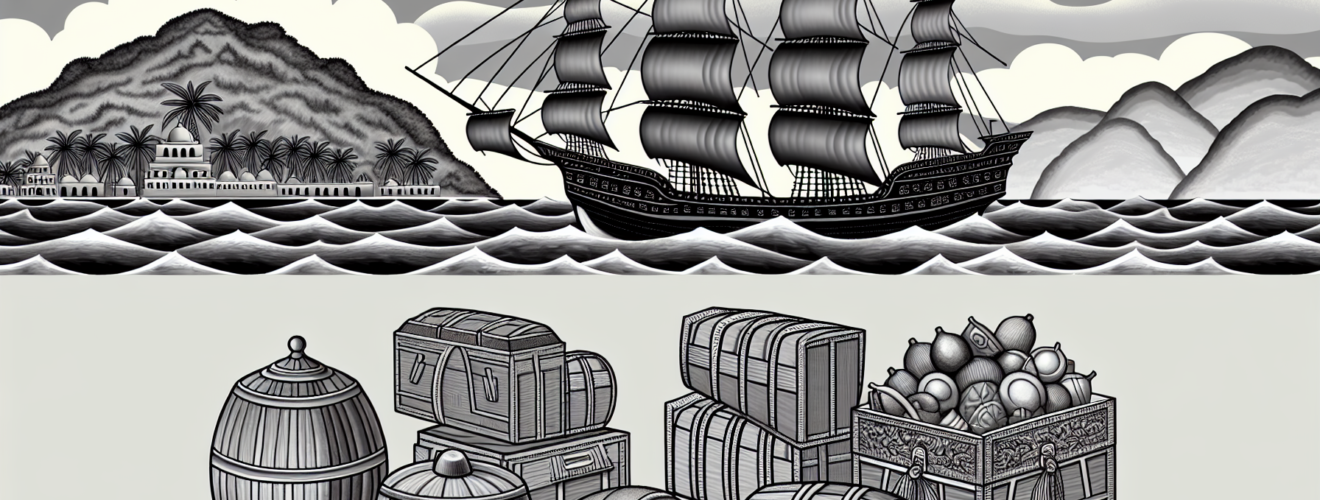
The galleon trade linked the Philippines to the world for the first time on a large scale. From 1565 to 1815, Spanish ships sailed between Manila and Acapulco in Mexico. These voyages carried silver, silk, spices, and people across the Pacific Ocean. The system was built to serve empire, yet it also shaped daily life in the islands. It tied local communities to distant markets and new ideas. It also set patterns of trade and power that lasted long after the route ended.
Origins of the Manila-Acapulco Route
The trade began after Spain secured a return route across the Pacific. In 1565, Andrés de Urdaneta found the “tornaviaje,” the northward path that used winds and currents to reach the Americas. With that discovery, regular sailing became possible. Manila soon became Spain’s main port in Asia. Acapulco became the matching port in New Spain. Together they formed a long bridge between Asia, the Americas, and Europe.
The route also fit Spain’s broader goals. American mines produced large amounts of silver. Asian merchants, especially in China, wanted silver in exchange for goods. Spain placed Manila in the middle of this flow. The colony in the Philippines did not have rich mines, but it had a valuable position. Its role was to gather Asian products, load them on galleons, and receive silver in return.
How the Trade Worked
Goods, Ships, and Long Voyages
The galleons were large wooden ships built to carry heavy cargo and face storms. They sailed once or twice a year in each direction. The trip could take months. It demanded careful timing, skilled pilots, and strong crews. Many sailors faced hunger, disease, and shipwreck. Yet the profits were high, so the route continued for 250 years.
Manila exports were mostly Asian luxury goods. Chinese silk and porcelain were key items. Cotton textiles, spices, lacquerware, and carved ivory also moved through the port. In return, galleons brought Mexican and Peruvian silver to Manila. They also carried some American crops and products, such as cacao and cochineal dye. Even when the cargo was small in volume, it could be great in value.
Manila as a Global Port City
Manila became a meeting point for many groups. Spanish officials managed taxes, licenses, and shipping rules. Mexican soldiers and sailors passed through the city. Chinese merchants, called Sangley, supplied much of the export goods. Japanese, South Asian, and Southeast Asian traders also appeared at different times. The port thus became a place of exchange, not only of goods but also of languages, skills, and beliefs.
Still, the system was tightly controlled. The Spanish Crown limited the number of ships and the size of cargo. Licenses, monopoly rights, and port fees shaped who could profit. These rules aimed to protect Spanish interests and reduce competition. In practice, they also encouraged smuggling and side trade. Many actors tried to bypass controls to gain access to silver and imports.
Social and Economic Effects in the Philippines
The galleon trade affected local economies in uneven ways. Manila and nearby areas gained most from port activity. Some artisans and suppliers found work in shipbuilding, food supply, and transport. Yet many regions stayed outside the main flow. The trade did not create broad industrial growth in the islands. Instead, it often reinforced Manila’s dominance and the colony’s dependence on outside goods and revenue.
It also shaped social relations. The demand for Chinese goods increased the size and importance of the Chinese community in Manila. This created both cooperation and tension. At times, fear of unrest led to harsh policies and violent conflict. Meanwhile, Spanish elites in Manila gained access to imported luxuries and wealth from silver. Many Filipinos experienced the trade through labor demands, taxes, and the changing price of goods.
Religious and cultural exchange also traveled along the route. Missionaries used the connection to move personnel and supplies. Printed texts, images, and objects crossed the ocean. New foods and habits spread in both directions. Over time, the Philippines became part of a wider Pacific world. This world linked Asia and the Americas more directly than ever before.
Decline and Historical Legacy
By the late eighteenth century, the system faced growing pressure. Other European powers expanded trade in Asia. New routes and new commercial ideas challenged old monopolies. Spain also introduced reforms that opened trade beyond the galleons. In 1815, the last official galleon sailed. Mexico’s independence soon after weakened the old colonial connection that had kept the route alive.
The legacy of the galleon trade is complex. It brought the Philippines into early global trade networks and made Manila a key port in the Pacific. It connected Filipino history to the history of Mexico, China, and Spain. Yet it also showed the limits of a trade built on monopoly and extraction. The route enriched a small group while leaving many areas with few lasting gains. Even so, the galleon era remains a founding chapter in the Philippines’ long engagement with globalization.