
Exploring the Diversity of Filipino Regional Traditions
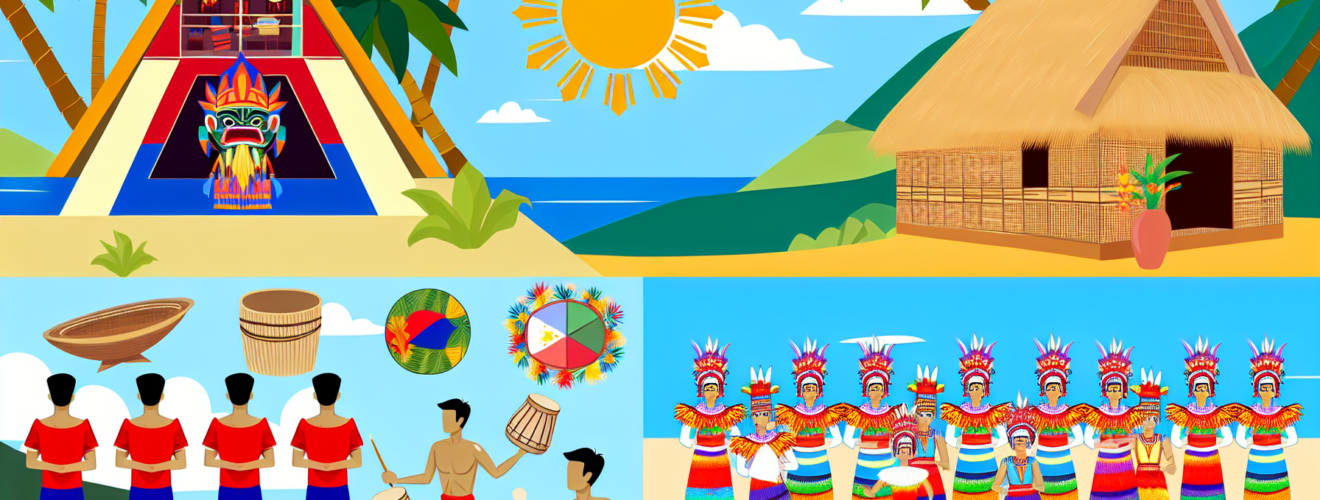
The Philippines is a large group of islands in Southeast Asia. It has over seven thousand islands. This geography creates a wide range of cultures. Each region has its own history and set of rules. This leads to a rich mix of traditions. People often call this a “tapestry of life.” These customs are not just for the past. They shape how people live today. This article looks at how these local traditions make the country unique. We will see how language, faith, food, and art vary from north to south. Understanding these differences helps us see the true heart of the Filipino people.
For many years, scholars have studied this diversity. They found that each island group grew in its own way. The sea acted as a wall for a long time. Because of this, local groups kept their own ways of life. Even after colonizers came, many local roots stayed strong. Today, the nation is a blend of old and new. It mixes local rites with foreign influences. This blend is what makes the culture so special. It is both local and global at the same time.
The Archipelagic Nature of Filipino Identity
The physical layout of the Philippines defines its soul. Being an archipelago means that land is split by water. This led to the birth of distinct ethnic groups. In the north, the mountains of the Cordillera protected local tribes. In the south, the vast Mindanao region fostered Islamic traditions. Each area developed a sense of pride. This pride is tied to the land and the sea. Even within one island, two towns may have different customs. This is because trade and travel were once hard to do.
The concept of “regionalism” is very strong in the Philippines. People often identify as Ilocano, Bisaya, or Bicolano first. This does not mean they are not proud to be Filipino. Instead, it shows that their local roots are deep. These roots influence how they speak and act. They also affect how they view the world. This regional pride helps keep old stories and songs alive. It ensures that no single culture takes over the rest. It is a healthy balance of local and national ties.
Historical and Geographic Context
History also played a role in this diversity. Before the Spanish came, the islands had many small kingdoms. These were called “barangays.” Each barangay had its own leader and laws. When Spain arrived in the 1500s, they tried to unite the islands. They brought the Catholic faith. However, they could not reach every corner of the country. This left some areas to keep their pre-colonial ways. The mix of these old ways and Spanish laws created new traditions. Later, the Americans brought their own culture. This added even more layers to the Filipino identity.
Linguistic Variations and Regional Identity
Language is a clear sign of regional diversity. The Philippines has more than 170 living languages. Most people speak Tagalog as a base for the national language. However, millions of people use their mother tongue at home. In the north, Ilocano is common. In the central islands, people speak Cebuano or Hiligaynon. Each language carries the history of its people. It holds unique words that describe local life. For example, some languages have many words for rice or the sea. This shows what is important to that specific group.
Speaking a regional language is a form of cultural survival. It keeps the wisdom of ancestors alive. When a language dies, a part of the culture goes with it. Fortunately, many Filipinos are bilingual or trilingual. They can switch from their local tongue to English or Filipino easily. This skill helps them connect with the world. At the same time, it lets them stay connected to their roots. Language acts as a bridge between the past and the future.
The Fusion of Faith and Festivity
Religion is a major part of Filipino life. Most of the country is Catholic. Yet, the way people practice their faith varies by region. This is seen most clearly in “fiestas” or festivals. These events celebrate a patron saint or a good harvest. They are full of color, music, and dance. Each festival has a unique flavor. Some are quiet and holy. Others are loud and full of energy. These events bring the community together. They also attract many tourists from around the world.
The Visayan Festivals
The Visayas region is famous for its grand festivals. The Sinulog in Cebu City is one of the biggest. It honors the Santo Niño, or the Child Jesus. People dance in the streets with a rhythmic beat. They wear bright costumes and carry small statues. In Iloilo, the Dinagyang festival shows a similar spirit. It honors the Ati people and their history. These festivals are not just for fun. They are deep acts of faith. They show how people give thanks for their blessings. The energy of the crowd is a sign of their strong belief.
Luzon’s Harvest Celebrations
In Luzon, many festivals celebrate the earth. The Pahiyas in Lucban is a great example. People decorate their houses with colorful rice wafers called “kiping.” They also use fruits and vegetables to create art. This is a way to thank Saint Isidore for a good crop. In the north, the Panagbenga in Baguio honors the season of blooming flowers. It features large floats made entirely of blossoms. These festivals highlight the bond between humans and nature. They show that people value the gifts of the land.
Culinary Heritage and Regional Resources
Food is another way to see regional differences. Filipino cuisine is a mix of many tastes. Each region uses what is available in its environment. In the Bicol region, people love spicy food. They use a lot of chili and coconut milk. This is because these items grow well in their warm climate. In the Ilocos region, the food is often salty and bitter. They use “bagoong” or fish paste to season their dishes. This style of cooking helps preserve food for a long time.
Pampanga is known as the culinary capital of the country. Their chefs are famous for their skill. They create complex dishes like “sisig” and “morcon.” On the other hand, the Visayas is known for fresh seafood. Because they live near the coast, their diet is rich in fish. In Mindanao, the food has a distinct Malay influence. They use spices like turmeric and lemongrass. This variety makes Filipino food a true adventure. It tells the story of the land and the people who cook it.
Indigenous Artistry and Material Culture
The arts show the creative side of regional life. Traditional weaving is a pride of the nation. In the north, the Ilocano people make “Abel” cloth. This fabric is strong and has beautiful geometric patterns. It is used for blankets, clothes, and bags. In the south, the T’boli people weave “T’nalak.” This is a sacred cloth made from abaca fibers. The weavers dream of the patterns before they start. This link between spirit and art is very common in indigenous groups.
Pottery and carving are also important. The woodcarvers of Paete are world-famous. They can turn a block of wood into a lifelike figure. In the Sulu archipelago, the “vinta” boats have colorful sails. These boats are icons of the sea-faring culture of the south. These crafts are more than just items for sale. They are symbols of identity. They show the skill and patience of the Filipino artist. Preserving these crafts is vital for the country’s heritage.
Conclusion
In conclusion, the Philippines is a land of many faces. Its regional traditions are a source of great strength. From the languages spoken to the food eaten, every detail matters. These customs keep the history of the people alive. They provide a sense of belonging in a fast-changing world. While globalization brings new ideas, the local spirit remains firm. It is this mix of many cultures that forms the true Filipino identity. By valuing these traditions, the nation ensures a bright and diverse future. We must continue to study and celebrate these local roots. They are the true gems of the Philippine archipelago.
Sources
Constantino, R. (1975). The Philippines: A Past Revisited. Tala Publishing Services.
Fernandez, D. G. (1994). Tikim: Notes on Philippine Food and Culture. Anvil Publishing.
Jocano, F. L. (2001). Filipino Worldview: Ethnography of Local Knowledge. Punlad Research House.
Miller, J. (1982). Cultural Variations in the Philippines. Journal of Asian Studies, 41(2), 221-235.
Scott, W. H. (1994). Barangay: Sixteenth-Century Philippine Culture and Society. Ateneo de Manila University Press.