Natural Resources and Sustainable Development in the Philippines
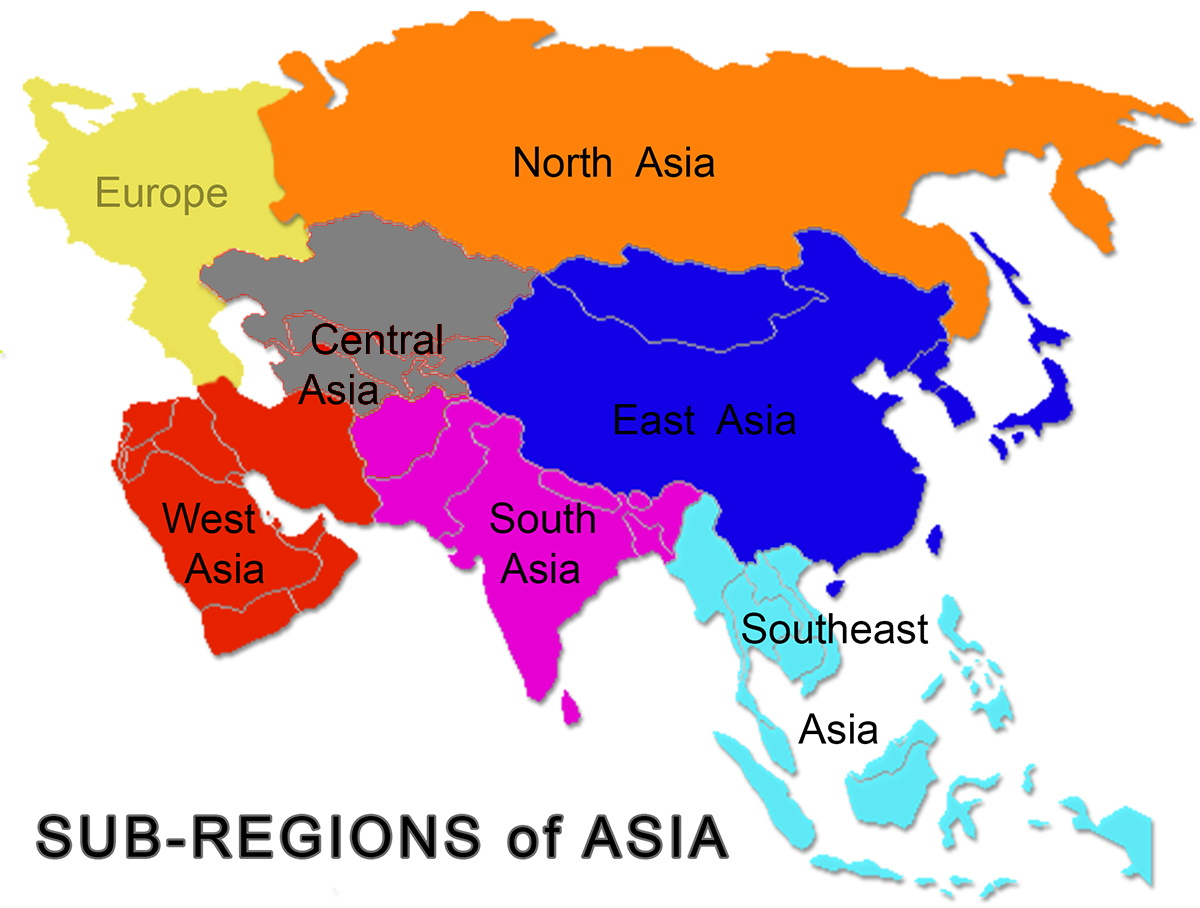
The Philippines is an archipelago located in Southeast Asia. It consists of more than seven thousand islands. These islands are rich in natural resources. The nation holds vast amounts of minerals and water. It also has many types of plants and animals. This natural wealth helps the economy grow. However, using these resources can cause harm to the environment. The country must find a way to grow without losing its nature. This goal is known as sustainable development. It is a key path for the future of the Filipino people.
Sustainable development means using what we have today with care. We must ensure that children in the future still have these same resources. For the Philippines, this task is both urgent and complex. The country faces threats from climate change and pollution. It also deals with the needs of a growing population. Balancing these factors requires clear laws and smart choices. This article looks at how the Philippines manages its wealth and protects its land.
The Potential of Mineral Resources
The Philippines is one of the most mineral-rich countries in the world. It sits on the Pacific Ring of Fire. This location gives it large deposits of gold, copper, and nickel. Mining these metals can bring in much-needed funds. It creates jobs for many people in rural areas. It also helps the country pay for public services like schools and roads. But mining also brings risks. It can lead to the loss of trees and the pollution of water.
The Philippine Mining Act of 1995 sets the rules for this industry. It aims to make sure that mining is done in a safe way. The law requires companies to fix the land after they finish their work. This process is called rehabilitation. Even with these rules, many people worry about the long-term impact. They want to see stricter checks on how companies operate. Sustainable mining must protect the health of the local people. It must also shield the water sources from toxic waste.
Nickel is a major export for the nation. It is used to make batteries for electric cars. This makes the Philippines a key player in the global green energy shift. However, mining for nickel often happens in fragile areas. These sites are home to many unique species. Protecting these areas is a top priority for green groups. They argue that some places should be closed to all mining activities. This would save the forests for the next generation.
Marine Life and the Blue Economy
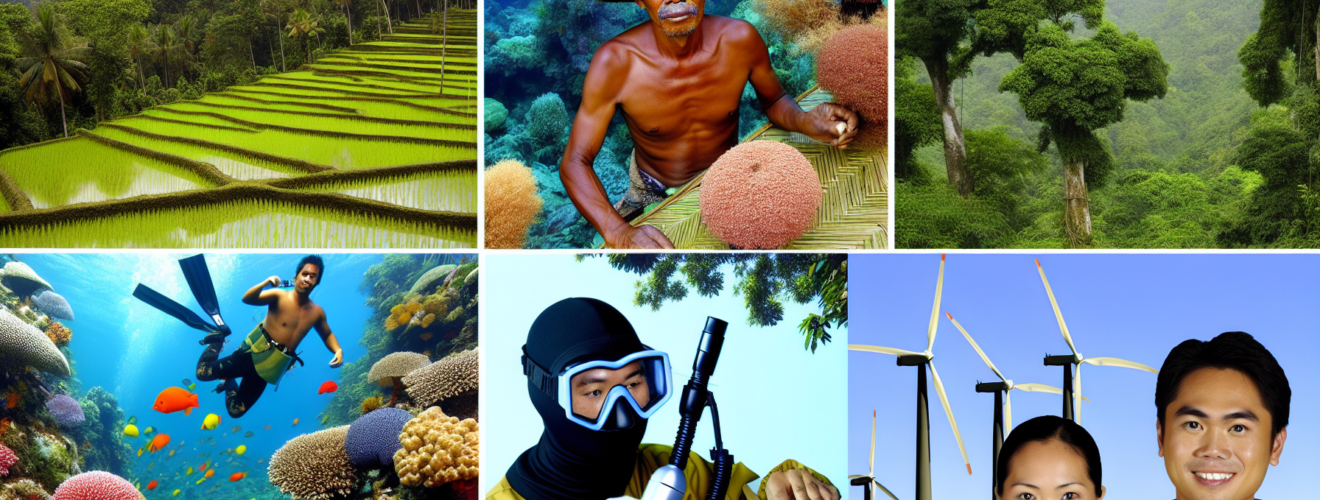
The seas around the Philippines are full of life. The country is part of the Coral Triangle. This region is known as the center of marine biodiversity. It holds thousands of types of fish and coral reefs. These reefs act as nurseries for sea life. They also protect the coast from big waves during storms. For millions of Filipinos, the sea is the main source of food and income. This makes the “blue economy” very important.
The blue economy focuses on the sustainable use of ocean resources. It aims to promote growth while keeping the sea healthy. Overfishing is a major problem in many areas. When too many fish are caught, the stock cannot grow back. This hurts the fishers in the long run. To stop this, the government has set up Marine Protected Areas. These are spots where fishing is limited or not allowed. These zones help the fish population to recover and thrive.
The Role of Tourism
Tourism is a big part of the blue economy. People from all over the world visit the Philippines to dive and swim. They want to see the clear water and the colorful reefs. This industry brings in money and creates jobs. But too many tourists can also hurt the environment. Boats can damage the reefs, and trash can end up in the sea. Sustainable tourism seeks to limit these harms. It teaches visitors how to enjoy nature without leaving a mark.
One example of this is the temporary closure of Boracay island a few years ago. The government shut down the island to clean its water and fix its sewage system. This move showed that the state is willing to put nature first. It was a clear sign that growth must not come at the cost of the environment. Today, more places are looking at ways to limit the number of visitors. This helps keep the natural beauty intact for a long time.
Forests and Land Use
Forests are the lungs of the country. They clean the air and hold the soil in place. They also store water and prevent floods. In the past, the Philippines had many more trees than it does now. Logging and farming have cleared large parts of the land. This has led to landslides during heavy rain. Now, the government is working to plant more trees. Programs like the National Greening Program aim to restore the lost forest cover.
Agriculture is also a vital part of land use. Most Filipinos live in rural areas and work on farms. They grow rice, corn, and coconuts. Sustainable farming means using less chemicals and more natural methods. It also means protecting the soil from washing away. When farmers use good methods, they can grow more food for a longer time. This keeps the food supply stable for the whole country. It also keeps the farmers out of poverty.
Renewable Energy for a Green Future
Most of the power in the Philippines still comes from coal. Burning coal is cheap, but it releases a lot of smoke. This smoke traps heat and leads to climate change. The Philippines is very prone to the effects of a warming planet. It faces stronger typhoons and rising sea levels. To fight this, the country is moving toward renewable energy. This is energy that comes from sources that do not run out.
The Philippines is a leader in geothermal energy. This power comes from the heat inside the earth. The country also has many solar and wind farms. These sources are clean and do not pollute the air. The Renewable Energy Act of 2008 encourages the use of these green sources. It gives perks to companies that build clean power plants. Moving away from fossil fuels is a big step for sustainable development. It helps the nation grow without making the planet hotter.
Challenges and the Path Ahead
The path to sustainable development is not easy. One major hurdle is the cost of new technology. Green energy and clean mining can be expensive at first. Many people also need to be trained for new types of jobs. Another challenge is the law itself. Rules must be followed by everyone, including big companies. Corruption can sometimes get in the way of progress. Strong leaders are needed to ensure that the laws are upheld.
Climate change is the biggest threat of all. The Philippines is on the front lines of this crisis. It must build cities and towns that can survive big storms. This is called resilience. Planting mangroves along the coast can help. Mangroves act as a shield against the sea. They also provide a home for birds and fish. Using nature to protect people is a smart way to move forward. It is a key part of the green plan for the nation.
In conclusion, the Philippines has a wealth of natural resources. These assets can lead to a bright future if they are used well. Sustainable development is the only way to ensure this. It requires the help of the government, the private sector, and the public. By protecting the land and the sea, the nation can thrive. This will ensure that the beauty of the Philippines lasts for many years. It is a goal that is worth the hard work and the long wait.
Sources
Asian Development Bank. (2020). Philippines: Energy sector assessment, strategy, and road map. Manila, Philippines: ADB.
Department of Environment and Natural Resources. (2021). The Philippine mining act of 1995: Rules and regulations. Quezon City, Philippines: DENR.
National Economic and Development Authority. (2017). Philippine development plan 2017-2022. Pasig City, Philippines: NEDA.
World Bank. (2021). Philippines: Climate change and development report. Washington, DC: World Bank.