
Learning to Share: How Kindness Makes Friendships Grow
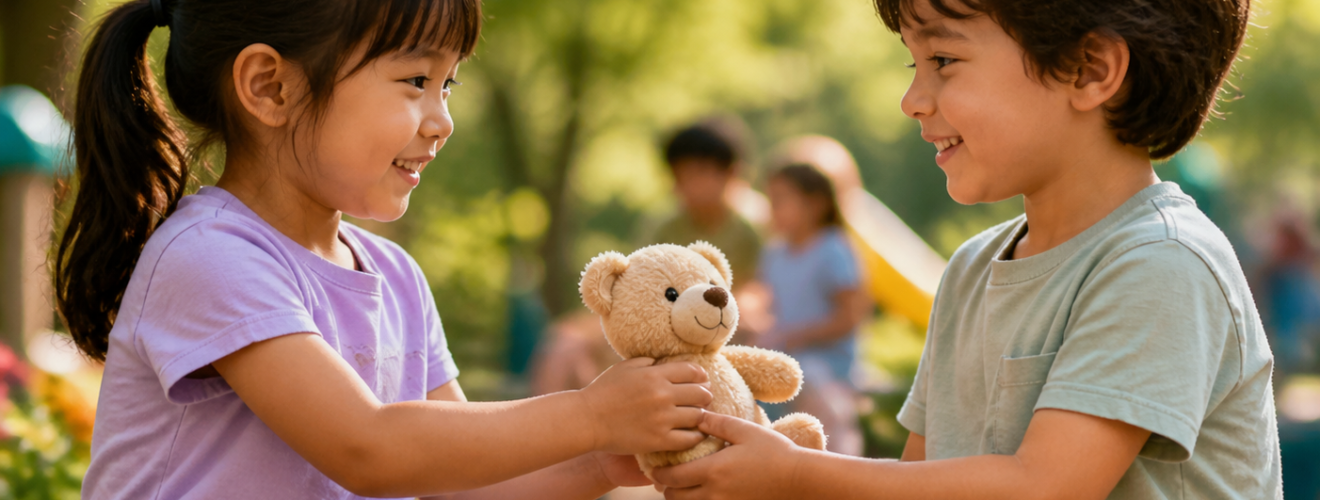
The development of prosocial behavior is a key part of human growth. Sharing is a primary form of this behavior. It serves as a bridge between individuals. In early life, sharing is often seen as giving up a physical item. However, as people grow, sharing evolves. It becomes an exchange of time, support, and care. This act of kindness is the foundation of strong bonds. It allows friendships to grow and thrive over time. Research shows that kindness is not just a polite habit. It is a vital social tool that helps people navigate the world together.
Friendships are more than just shared interests. They are built on a system of mutual support. When one person shares, they signal trust to the other. This trust is the glue that holds a social group together. In this article, we will explore how sharing shapes our lives. We will look at why kindness is a core driver of social success. By understanding these ideas, we can see why kindness makes friendships grow. The following sections will detail the psychology and the impact of these social acts.
The Psychology of Prosocial Behavior
Prosocial behavior refers to actions intended to help others. This includes sharing, helping, and comforting. Psychologists study these traits to learn how we connect. Sharing is one of the earliest forms of this behavior seen in children. It shows a move away from self-interest. Instead of keeping a resource, a child chooses to distribute it. This change is vital for making friends. It shows that the person values the feelings of others. This is the first step toward a deep social bond.
There are two main types of sharing. The first is altruistic sharing. This is when someone gives without expecting a reward. The second is reciprocal sharing. This is based on the idea of give and take. Both types are important for friendships. Altruism builds a sense of safety. Reciprocity ensures that the relationship remains fair. When both people feel the bond is fair, the friendship lasts longer. Kindness act as a signal of high social value in these interactions.
Empathy and Perspective Taking
To share well, one must have empathy. Empathy is the ability to feel what another person feels. This requires a skill called perspective taking. It means looking at the world through someone else’s eyes. When a person sees that a friend is in need, they feel a drive to help. This drive is what leads to acts of kindness. Sharing a snack or a kind word can change a friend’s day. These small acts build up over time. They create a history of kindness that defines a good friendship.
Perspective taking develops as children grow. Younger children may struggle to share because they are focused on their own needs. As they get older, they start to see that others have needs too. This shift is a major milestone in social development. It allows for more complex types of sharing. For example, an older child might share their time to help a friend with a task. This type of kindness is more abstract than sharing a toy. Yet, it is even more powerful for building a lasting bond.
Building Trust Through Acts of Kindness
Trust is the most important part of any friendship. It is hard to build but easy to break. Kindness is the primary way that trust is earned. When we share with others, we show that we are reliable. We show that we care about their well-being. This creates a safe space for both people. In this space, friends can be honest and open. Without kindness, a relationship is often cold and fragile. Sharing makes the bond warm and resilient.
Kindness also helps to resolve conflicts. No friendship is perfect. Disagreements will happen. However, a history of sharing makes it easier to move past problems. If a friend has been kind in the past, we are more likely to forgive them. We know their true character is good. This acts as a buffer against social stress. It allows the friendship to survive through hard times. Thus, kindness is not just for the good times. It is a tool for survival in the social world.
The Long-Term Benefits of Kind Friendships
Having kind friends has many benefits for mental health. Studies show that people with strong social bonds are happier. They have lower levels of stress and anxiety. This is because they have a support system they can rely on. When friends share their burdens, the weight feels lighter. This is the true power of kindness. It is a shared experience that improves the lives of everyone involved. It fosters a sense of belonging and purpose.
Kindness also leads to better physical health. Positive social links can lower blood pressure and improve the immune system. This is often called the “helper’s high.” When we are kind to others, our brains release feel-good chemicals. These include oxytocin and dopamine. These chemicals make us feel calm and happy. Therefore, sharing is good for the giver as well as the receiver. It creates a cycle of health and happiness that benefits the whole community.
Social Competence and Success
Children who learn to share are often more successful later in life. This is known as social competence. Being able to work well with others is a key life skill. It is useful in school, in work, and in personal life. Leaders who are kind and share resources are more respected. They build teams that are loyal and productive. In this way, the lessons of sharing learned in childhood carry over into adulthood. Kindness is a foundation for professional success as much as personal joy.
Social competence also helps in making new friends. A person who is known for being kind will attract others. People want to be around those who make them feel valued. By sharing and being kind, an individual builds a positive social reputation. This reputation opens doors to new opportunities. It makes the world a smaller and friendlier place. Kindness is an investment that pays back in many ways over a lifetime.
Teaching Kindness in a Modern World
In today’s fast-paced world, it can be easy to forget to be kind. We are often busy and focused on our own goals. However, teaching kindness is more important than ever. Parents and teachers play a big role in this. They can model kind behavior for children to see. When adults share their time and resources, children learn to do the same. This creates a culture of kindness that can spread through a school or a neighborhood. It starts with simple acts of giving.
Schools can also teach kindness through group activities. These tasks require students to work together and share ideas. This helps them practice the skills they need for real-world friendships. By working toward a common goal, they learn the value of each person’s input. They see that they can achieve more together than they can alone. This is the ultimate lesson of sharing. It shows that we are all connected and that our actions affect others.
Conclusion
In conclusion, learning to share is a vital part of life. It is the fuel that makes friendships grow. Through kindness, we build trust and empathy. We create bonds that can last for many years. These bonds provide support, joy, and health. Sharing is not just about physical things. It is about the heart and the mind. It is a way of saying that someone else matters. By choosing to be kind, we make our own lives better. We also make the world a better place for everyone around us.
The science is clear on this topic. Kindness and sharing lead to better social outcomes. They help us grow as individuals and as a society. As we navigate our lives, we should keep these lessons in mind. A small act of sharing today can lead to a lifelong friendship tomorrow. Let us strive to be kind and to share what we have. In doing so, we ensure that our friendships, and our communities, will continue to thrive and grow for years to come.
Sources
Brownell, C. A. (2013). Early development of prosocial behavior: Helping, sharing, and comforting in infancy and early childhood. Child Development Perspectives, 7(1), 1–6.
Eisenberg, N., & Fabes, R. A. (1998). Prosocial development. In W. Damon & N. Eisenberg (Eds.), Handbook of child psychology: Vol. 3. Social, emotional, and personality development (5th ed., pp. 701–778). Wiley.
Silk, J. B., & House, B. R. (2011). The phylogeny and ontogeny of prosocial behavior. Current Opinion in Behavioral Sciences, 3, 134–138.
Warneken, F., & Tomasello, M. (2009). The roots of human altruism. British Journal of Psychology, 100(3), 455–471.