Creating Self-Portraits Using Crayon Resist Techniques
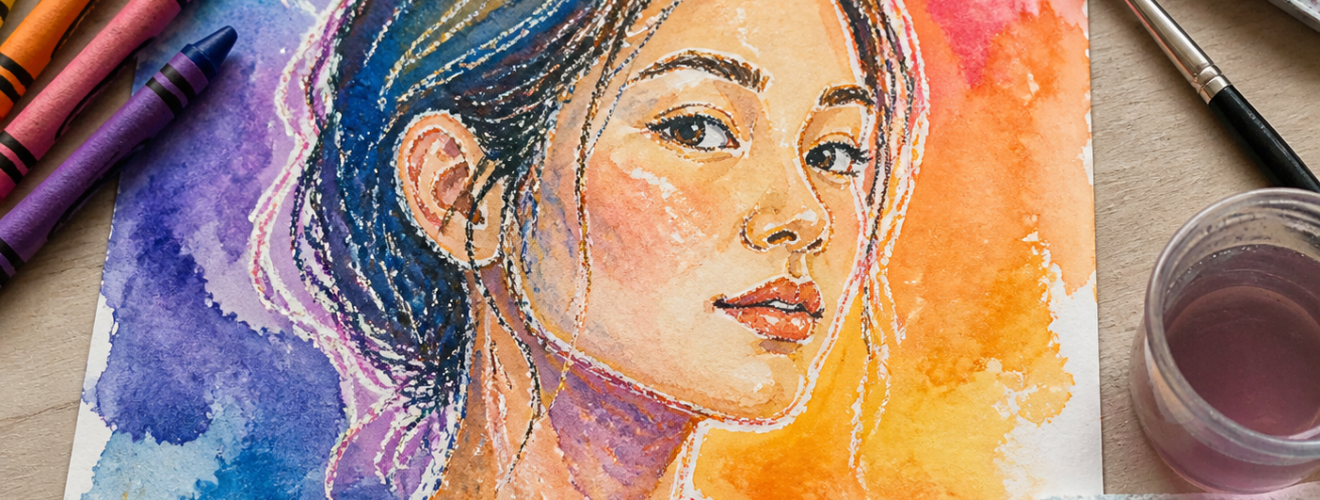
The practice of self-portraiture is a long and rich part of art history. It allows artists to look at their own lives and bodies. By using art to show the self, we learn about identity and how we see the world. One very effective way to make a self-portrait is through the crayon resist technique. This method is based on a simple rule of science. It uses the fact that wax and water do not mix. This creates a bold and bright look that is very unique. It is a popular choice for teachers and professional artists alike. The process is both easy to learn and deep in its results. It offers a way to play with light, color, and texture all at once. In this article, we will look at how this technique works. We will also talk about the best ways to use it for self-portraits.
The Scientific and Historical Basis of Resist Techniques
The crayon resist method relies on the chemistry of the materials. Crayons are made mostly of paraffin wax. Wax is a substance that is hydrophobic. This means it does not like water. When you draw on paper with a crayon, you leave a thin layer of wax. If you then put water-based paint over it, the paint cannot soak into the paper. Instead, the paint beads up and rolls off the wax. The wax acts as a shield for the paper fibers. This leaves the original color of the wax or the paper showing through. This interaction is a great way to show how different materials behave. It is a physical reaction that creates a visual contrast. The lines of the crayon remain sharp and clear even under many layers of paint. This makes it a very reliable tool for making art.
Resist techniques have a long history in many cultures. For thousands of years, people have used wax to create patterns on cloth. This is often called batik. In fine art, wax has been used to save white space on paper for a long time. Early artists used natural waxes like beeswax to protect parts of their work. Over time, the invention of modern crayons made this even easier. The crayon resist method became a key part of art education in the last century. It is praised for its ability to produce high-contrast images. It also helps students understand the concept of negative space. By planning where the paint will not go, an artist learns to think about the whole page. This historical path shows that simple tools can lead to complex and beautiful art.
The Interaction of Polar and Non-Polar Substances
To understand why this works, we must look at the molecules. Water is a polar molecule. This means it has a small electric charge. Wax is a non-polar molecule and has no charge. Because of this difference, they do not want to bond with each other. This is why oil and water stay separate in a bottle. In art, we use this lack of bonding to our advantage. The wax fills the small holes in the paper and seals them. The water in the paint tries to find a place to land. Since it cannot land on the wax, it flows to the empty parts of the paper. This creates a clean break between the two media. It is a perfect example of how science and art work together. Understanding this helps an artist predict how their work will look.
Materials and Preparation for the Portrait
Choosing the right materials is the first step to success. You will need high-quality paper that can handle water. Heavy watercolor paper or thick cardstock is best. If the paper is too thin, it will curl or tear when it gets wet. You also need a set of wax crayons or oil pastels. Wax crayons give a very hard and clean line. Oil pastels are softer and can be blended more easily. Both will work well to repel water. For the top layer, you need water-based paint. Watercolor sets or thinned tempera paint are great options. You will also need brushes, a container of clean water, and a pencil for your initial sketch. Having everything ready helps the creative process flow better.
The choice of color is very important in this method. If you use a white crayon on white paper, it will look like magic. The white lines will stay white even after you paint over them. This is a common way to show highlights or bright spots on the face. Using dark crayons with light paint or light crayons with dark paint also creates a strong look. You should think about the mood you want to create. Bright colors might show joy or energy. Darker tones might show a more serious mood. Planning your colors before you start will lead to a better portrait. It allows you to focus on the shape and form of your face once you begin to draw.
Selecting the Right Substrate
The surface you choose affects the texture of the final piece. Rough paper will catch more of the crayon. This creates a grainy or broken line that looks very artistic. Smooth paper allows for very sharp and precise lines. When you apply the paint wash, the texture of the paper will also show through. This adds a sense of depth to the self-portrait. Many artists like to use a medium-grain paper for a balanced look. It is also helpful to tape the edges of the paper down to a board. This keeps the paper flat as it dries. A flat surface ensures that the paint does not pool in one spot. This control is vital for a professional result.
The Step-by-Step Methodological Approach
The first stage of the process is the sketch. You should use a light pencil to draw the outline of your face. Look in a mirror to see your features clearly. Pay attention to the shape of your eyes, nose, and mouth. Do not worry about small details yet. Focus on the general proportions of your head. Keep the pencil marks very light so they do not show through the final paint. This sketch serves as your map. It tells you where to put the wax and where to leave the paper bare. Taking your time during this stage will help you feel more confident as you move to the next step. It is the foundation of your entire portrait.
Once the sketch is ready, it is time for the crayon. You will apply the wax to the areas you want to protect. Think about where the light hits your face. These areas should be covered with thick layers of crayon. You can use different colors to show skin tones or shadows. Be sure to press down firmly. A thin layer of wax might not be enough to stop the paint. You want a solid coat that covers the paper fibers well. You can also add patterns or textures to your hair and clothes. This is where the personality of the artist really starts to show. The wax creates a permanent record of your hand movements on the page.
The final and most exciting stage is the wash. Dip a large brush into your watercolor paint. Then, sweep the brush across the entire paper. You will see the wax lines pop out instantly. The paint will fill in the gaps and stay away from the crayon marks. You can use one color for the whole wash or mix several colors. For a self-portrait, a darker wash often helps the face stand out. It creates a sense of background and atmosphere. Do not be afraid to use plenty of water. The resist effect works best when the paint is fluid. Once you are done, let the piece dry completely. You will be left with a vibrant and layered image of yourself.
Pedagogical and Psychological Value
This art technique offers many benefits for learning. It helps students develop fine motor skills as they press the crayons. It also teaches them about the order of operations in a project. They must think ahead and plan their layers. This type of strategic thinking is useful in many areas of life. Furthermore, the process of making a self-portrait encourages self-reflection. It asks the artist to look at themselves with care and focus. This can build self-esteem and a sense of identity. By making art, students learn to express their feelings in a visual way. It is a safe and creative way to explore who they are. The crayon resist method makes this exploration fun and rewarding.
There is also a psychological aspect to the “reveal” moment in this art form. When the paint is applied and the hidden wax appears, it feels like a discovery. This can be very motivating for young learners. it reduces the fear of making mistakes. The bold lines of the crayon provide a strong structure that holds the image together. This helps the artist feel a sense of control over their work. It also teaches them to embrace the unexpected. Sometimes the paint flows in ways you do not plan. Learning to work with these happy accidents is a key part of being an artist. It fosters a growth mindset and a love for the creative process. This technique is more than just a craft; it is a tool for personal growth.
Conclusion
Creating self-portraits with crayon resist is a valuable practice. It combines the laws of science with the beauty of art. The process is simple enough for a child but deep enough for a professional. By using materials that repel each other, we create a sense of harmony on the page. This method teaches us about light, color, and planning. It also gives us a unique way to look at our own faces and lives. The final result is always a surprise and a delight. It is a testament to the power of simple tools to create meaningful work. As we continue to explore new ways to make art, the crayon resist technique remains a classic for a reason. It is an enduring and effective way to capture the human spirit on paper.
Sources
Albers, J. (2006). Interaction of color. Yale University Press.
Eisner, E. W. (2002). The arts and the creation of mind. Yale University Press.
Gardner, H. (1980). Artful scribbles: The significance of children’s drawings. Basic Books.
Hetland, L., Winner, E., Veenema, S., & Sheridan, K. M. (2013). Studio thinking 2: The real benefits of visual arts education. Teachers College Press.
Lowenfeld, V., & Brittain, W. L. (1987). Creative and mental growth. Macmillan.
Smith, P. J. (1996). The history of American art education: Learning about art in American schools. Greenwood Press.