Standing in Line and Waiting Your Turn: The Value of Patience
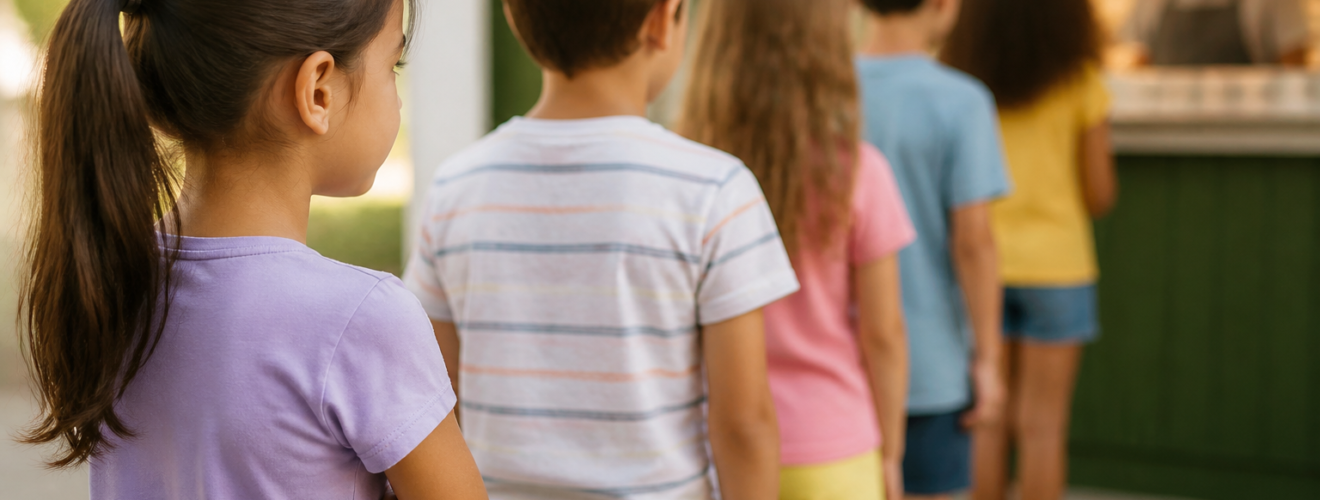
Standing in line is a common part of our daily lives. We see it at grocery stores, banks, and bus stops. Most people find waiting to be a slow and dull task. However, the act of waiting your turn is a vital part of a stable society. It represents a silent agreement between strangers to act with fairness. Patience is not just a quiet state of being. It is a social tool that helps us manage our emotions and respect the rights of others. This article looks at the deep value of waiting. It explores how queues help keep the peace and how patience benefits the human mind. By looking at these factors, we can see that standing in line is a sign of a high level of social health.
The concept of the queue is deeply rooted in human history. It grew as resources became more organized. In early societies, people often rushed to get what they needed. This led to chaos and even fights. Over time, we learned that a structured system was better for everyone. Standing in a line ensures that the first person to arrive is the first person served. This simple rule prevents conflict. It allows people to feel that the system is fair. When everyone follows the same rules, the level of stress in a group goes down. This is the core of the social contract in a public space.
The Social Contract and Fairness
Standing in line is a form of the social contract. This is a concept where people agree to follow rules for the good of all. When we join a queue, we agree to wait. We trust that others will not skip ahead of us. This trust is the glue that holds a community together. It creates a sense of equity. In an equitable system, wealth or status should not let you jump to the front. The line is a great equalizer. It treats the rich person and the poor person the same way. This balance is rare in many other parts of life. Thus, the queue is a symbol of a fair society.
When someone breaks the rules of the line, it causes a strong reaction. People feel a sense of moral outrage. This is because the intruder has violated a shared trust. They have placed their own time above the time of others. This behavior can lead to anger and verbal disputes. By waiting our turn, we show that we value the time and effort of our peers. This small act of respect builds a better environment for everyone. It turns a group of strangers into a team working toward a common goal. This goal is the smooth flow of service and the preservation of order.
The Psychology of Patience
The Power of Delayed Gratification
Patience is closely linked to the idea of delayed gratification. This is the ability to wait for a reward rather than taking a small gain right away. One of the most famous studies on this is the Marshmallow Test. In this study, children were given a choice. They could have one treat now or two treats if they waited. Researchers found that the children who waited often had better lives later on. They had higher test scores and lower levels of stress. This shows that the skill of waiting is a predictor of success. When we stand in line, we are practicing this skill. We are training our brains to handle a delay in a healthy way.
Practicing patience helps us build better focus. In a world that moves fast, we are often told to rush. We want our food fast and our data even faster. This constant speed can make us feel anxious. When we are forced to wait in a line, we get a chance to slow down. We can use this time to think or to observe the world around us. This break from the rush can actually lower our heart rate. It helps us build a mind that is resilient to the pressures of daily life. Patience turns a moment of waiting into a moment of growth.
Emotional Regulation and Stress
Waiting in line also helps us with emotional regulation. This is the ability to stay calm even when things do not go our way. When a line is long, it is easy to feel frustrated. We might feel that our time is being wasted. However, a patient person can manage these feelings. They understand that the wait is part of a larger system. They do not let the delay ruin their mood. By staying calm, they also help the people around them stay calm. Stress is contagious. If one person in a line gets angry, others may follow. By being patient, we act as a cooling force in a busy world.
Economic and Operational Value
There is a whole field of study called queueing theory. This branch of math looks at how lines form and how to make them better. From an economic view, lines are a way to manage high demand. If a store has too many customers at once, it cannot serve them all. The line acts as a buffer. It spreads the work out over time. This helps the staff stay efficient. It also ensures that the service stays at a high level. Without lines, the rush of people would overwhelm the system. This would lead to errors and poor quality. Therefore, the queue is a tool for economic stability.
Wait times also have a cost, known as opportunity cost. This is the value of the things we could be doing if we were not waiting. Smart businesses try to reduce this cost. They use technology to track how fast lines move. They may offer entertainment to make the wait feel shorter. But the human element remains the most important part. Even with the best tech, we still need to be willing to wait. The economic value of a line is only high if the people in it remain calm and orderly. This cooperation allows businesses to function without hiring extra security or staff just to manage crowds.
The Impact of the Digital Era
Our modern age has changed how we think about waiting. We now have apps that let us skip lines. We can order food from our phones and pick it up at a specific time. While this is efficient, it may be hurting our sense of patience. When we always get what we want right away, we lose the habit of waiting. This can make us more irritable when a delay finally happens. We may become less tolerant of others. It is important to remember that not everything can be fast. High-quality work and deep relationships take time. Standing in a physical line reminds us of this truth. It keeps us grounded in the real world.
Technology also changes how we act while we wait. Most people now look at their phones in a queue. This makes the time pass faster. It can also reduce the social aspect of the line. In the past, people might talk to their neighbors while waiting. This built a sense of community. Today, we are often in our own digital worlds. While the phone helps with boredom, we should not forget to be aware of our surroundings. Being present in the moment is a big part of true patience. It allows us to connect with the shared human experience of the wait.
Conclusion
The act of standing in line is a small but mighty part of being a citizen. It teaches us about fairness and the needs of others. It helps us build the skill of patience, which is vital for our mental health. Queues are not just obstacles in our day. They are spaces where we practice the social contract. When we wait our turn, we are saying that we care about order and respect. We are showing that we can control our desires for the good of the group. In the end, the value of patience is found in the peace it brings to our lives and our society. Learning to wait is learning to live well with others.
Maister, D. H. (1985). The psychology of waiting lines. In J. A. Czepiel, M. R. Solomon, & C. F. Surprenant (Eds.), The Service Encounter (pp. 113-123). Lexington Books.
Milgram, S., & Liberty, H. J. (1986). Response to intrusion into waiting lines. Journal of Personality and Social Psychology, 51(4), 683-689.
Mischel, W., Shoda, Y., & Rodriguez, M. L. (1989). Delay of gratification in children. Science, 244(4907), 933-938.