Migration Push and Pull Factors
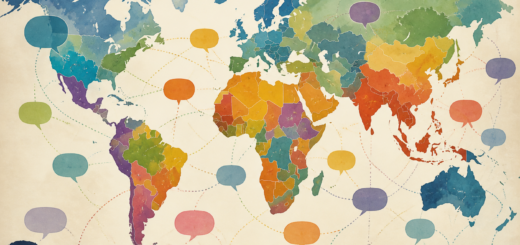
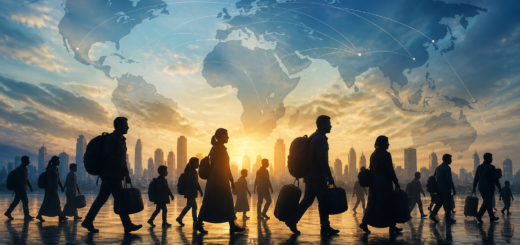
Human migration is a global event that shapes our world. It refers to the movement of people from one place to another. This can happen over short or long distances. Some people move within their own country. Others cross international borders. Migration is a complex process. It involves many social and economic choices. Scholars have studied these movements for a long time. They want to know why people choose to leave their homes. They also want to know why people choose certain places to live. To explain this, researchers use the push and pull model. This model is a standard tool in the study of population change. It helps us understand the forces that drive global trends.
The push and pull model was created by Everett Lee. He was a scholar of demography. In 1966, he published a paper on this topic. He argued that migration is not just a simple act. It is a response to many factors. Lee divided these factors into two main groups. The first group is push factors. These are the negative things that make someone leave home. The second group is pull factors. These are the positive things that draw someone to a new place. He also noted that people face obstacles. These can stop a person from moving. They might include high costs or legal walls. This theory is still very useful. It helps us plan for changes in the population.
Push Factors
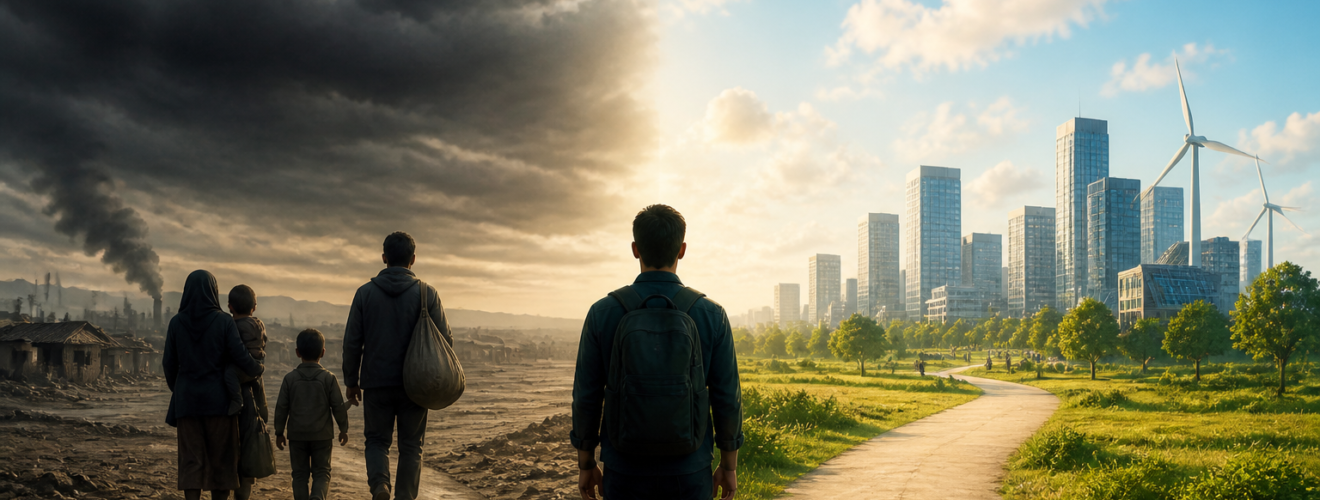
Push factors are the adverse conditions in a home country. These forces compel people to seek a life elsewhere. Many things can act as a push factor. Often, these things are out of a person’s control. They create a low quality of life. This leads to the decision to move. We can group these factors into three main areas. These are economic, political, and environmental factors. Each area plays a big role in the global movement of people.
Economic Forces
Economic push factors are very common. Many people live in areas with few jobs. They may face high levels of poverty. In some cases, people cannot afford food or clean water. A lack of jobs makes it hard to earn a living. High taxes can also be a factor. When people feel they have no way to get ahead, they look for options. They want to move to a place with more wealth. Economic stress is a powerful force. It drives millions to cross borders every year. They hope to escape a life of hard work with little pay.
Political Forces
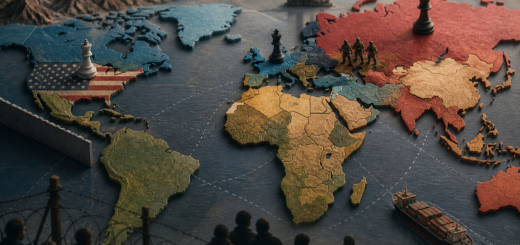
Political push factors are also very strong. Some people live under a government that does not protect them. They may lack basic human rights. In some countries, people cannot speak their minds. They may be treated badly for their beliefs. This is called persecution. War is another major factor. When a country is at war, it is not safe to stay. People flee to save their lives. They become refugees. Civil unrest and crime can also push people away. No one wants to live in fear. Safety is a basic human need. Without it, people will always look for a new home.
Environmental Forces
The environment can also act as a push factor. This is a growing issue in our world. Natural disasters can destroy entire towns. Floods and storms can wash away homes and farms. When this happens, people have no place to live. They must move to find shelter. Climate change is making these events more common. It is also causing sea levels to rise. Some islands and coastal areas are disappearing. Drought is another environmental factor. If the land is too dry, farmers cannot grow food. This leads to a lack of food. These environmental changes force many to relocate. They seek a place with a more stable climate.
Pull Factors
Pull factors are the attractive forces of a new place. They are the reasons why someone picks one city or country over another. These factors offer the hope of a better life. They act like a magnet for people in need. Pull factors are usually the opposite of push factors. They offer what the home country lacks. We can look at these in terms of work, safety, and social services.
Opportunity and Growth
Economic pull factors are a primary draw. Some countries have very strong economies. They have a high demand for labor. This means there are many jobs for new people. These jobs often pay much higher wages. This is very appealing to people from poor regions. Higher pay allows people to save money. They can send this money to their families back home. This helps the economy of their home country too. A stable economy also offers hope. People feel they can build a career and a future. The dream of a better life is a major pull. It brings many skilled and unskilled workers to new lands.
Safety and Stability
Social and safety factors are also important pulls. People want to live in a place that is peaceful. They look for countries with a fair legal system. This gives them a sense of security. Good education is another social pull factor. Parents want their children to have the best start in life. They move to places with top schools and colleges. Healthcare is also a major draw. A country with modern hospitals and doctors is very attractive. Freedom of speech and religion also pulls people. They want to live in a place where their rights are respected. These factors make a society stable and welcoming.
Intervening obstacles are the things that stand in the way. Even with strong push and pull factors, some people stay. Moving is often hard and costly. The cost of travel is a huge barrier. Many do not have the money for a long trip. Legal barriers are another common problem. Most countries have strict rules for entry. People need a visa to stay. These are often hard to get. Physical barriers like oceans still play a role. Distance is also a factor. The further away a place is, the more it costs to reach. Language and culture can also be obstacles. If you do not know the language, it is hard to find work. These hurdles often slow the flow of migration.
In conclusion, migration is a vital human activity. It is driven by a mix of push and pull factors. People leave home to escape poverty, war, and disasters. They move toward places with jobs, safety, and freedom. This process is not easy. It involves many hard choices and risks. Everett Lee’s model helps us see these forces. It shows us how economic and social issues shape our world. As our world changes, migration will continue. We must learn to manage it with care. This will help us build a more stable world for everyone.
Castles, S., De Haas, H., & Miller, M. J. (2013). The age of migration: International population movements in the modern world. Macmillan.
International Organization for Migration. (2022). World Migration Report 2022. IOM.
Lee, E. S. (1966). A theory of migration. Demography, 3(1), 47-57.
Massey, D. S. (1993). Theories of international migration: A review and appraisal. Population and Development Review, 19(3), 431-466.