International Migration
International Migration
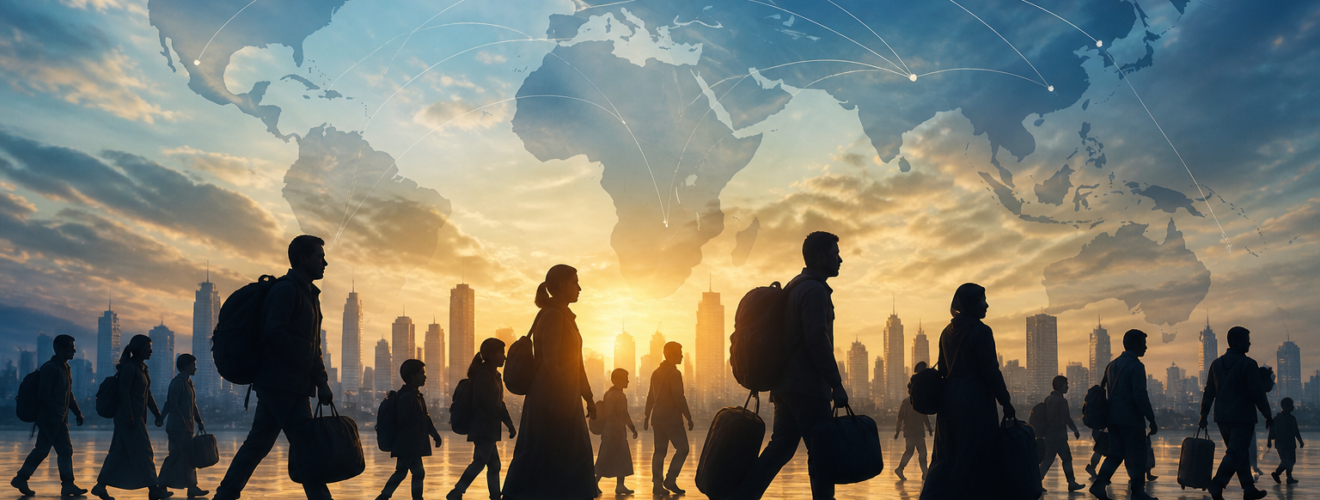
International migration is a global trend. It changes how we live and work today. People move for many reasons. Some seek a better job in a new land. Others leave home to find safety from harm. This movement has deep effects on every nation. It shapes our world in big ways. This article looks at why people move. It also looks at what happens next. We will see how migration helps or hurts the globe. Experts study these paths to learn about human life. They want to know how to make travel safe for all. Migration is a key part of human history. It will likely stay that way for a long time to come. It is a sign of a world that is very well linked.
The Drivers of Human Mobility
Why do people leave their homes? This is a big question with many answers. Some move because they want to find a new path. Others move because they have no other choice. Experts use two terms for this. They call them push factors and pull factors. Push factors are things that make a home land less safe or less fun. These can be wars or bad leaders. A lack of jobs is also a very strong push factor. If you cannot feed your family, you might look for a way out. This is a hard choice for any person to make. It often means leaving friends and family behind for a long time.
Push and Pull Factors
Pull factors are things that make a new land look good. Better pay is a common pull factor that draws people in. Good schools for kids is another big one. People want peace and a fair chance to succeed in life. Some move to be with family who are already there. This is called family reunification. It is a very strong reason to move. Others move to study at a top school. They want to learn new skills to help their future. Each person has a unique story to tell. But most seek a better life for themselves and their loved ones. They hope for a place where they can grow and feel safe.
Economic Contributions and Challenges
Migration has a deep effect on the world economy. It helps both the host land and the home land in many ways. Many rich nations have a demographic problem today. Their people are getting older on average. There are not enough young workers to fill all the open jobs. Migrants come in and take these vital roles. They work on farms to grow the food we eat. They work in shops and keep our buildings clean. They also fill high-level jobs in many fields. Many doctors and nurses in large cities are migrants. Many tech leaders moved from other lands too. This helps the economy stay strong and keep growing over time.
Migrants also pay taxes to the local government. This money helps pay for roads and public services like schools. Some people worry about the impact on jobs. They think migrants might take work away from local people. But most studies show a different view of the market. Migrants often take jobs that locals do not want to do. They also start many new businesses. These new shops and firms create even more jobs for everyone. In this way, migration acts as a spark for new growth. It brings new energy to the local market and helps it thrive. This is a win for the workers and the nation they join.
The Role of Remittances
One of the best parts of migration is the flow of money. When migrants work, they often send cash back home. This is known as a remittance. These sums of money are huge on a global scale. In some years, they are larger than all the aid from rich nations. This cash goes directly to families in need. It is not lost in large systems or hands. Families use it to buy better food for their kids. They use it to see a doctor when they are sick. They also use it to build better homes and pay for schools. This helps local economies in the home country stay afloat.
This money can help a whole village rise out of poverty. It also connects nations in a very direct and personal way. The money flows from rich places to areas that are still developing. This is a very powerful tool for global growth and balance. It shows how the hard work of one person can help many others far away. These funds are stable and do not stop easily. They provide a safety net for millions of people around the world. Remittances are a key part of how the world shares wealth. They help make the global system more fair for those in poor areas.
Environmental Factors and Climate Change
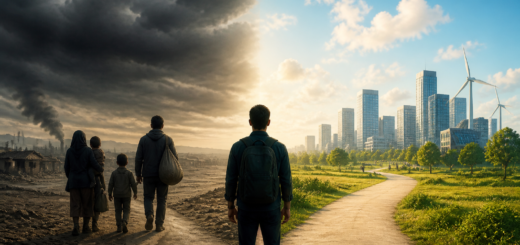
Today, the earth is changing in new ways. This affects where people can live and work. We now see more migration due to the environment. Climate change is a big part of this shift. Some places are getting too hot for crops to grow. Other places are losing land to the rising sea. Huge storms and floods can ruin a town in just one day. When people lose their land or their water, they must find a new home. This is often a very hard and sad path to take. These people may not have much money or help when they leave. They may have lost everything they once owned to a storm or fire.
We call these people climate migrants or displaced persons. This is a new area of study for many global experts. We do not have clear global rules to help them yet. Most laws only cover those who are fleeing a war. But those who flee a drought or a flood also need protection. The world must work on new pacts to help these people. This will be a major goal for the world in the coming years. We need to plan for a world where the weather changes where we live. This will require all nations to work as one team to find a fix.
Social Integration and Policy
When new people arrive in a land, society changes. This is the core of what we call social integration. It is the process of living together in a new way. It can bring many good things to a city or a town. New food, music, and art make our daily life more fun. Different views can lead to better ways of solving old problems. But integration is not always a simple task for a nation. There can be big gaps in language and in culture. This can lead to fear or stress on both sides of the fence. Some people might feel that their way of life is under threat from new ideas.
Good laws and rules can help fix these social gaps. Schools should help migrant kids learn the local tongue quickly. Workplaces should be fair and open to every person. When people work together, they learn to trust each other more. This builds a strong bond in the local community. Success in this area leads to a more peaceful and rich world. Diversity can be a great strength if we manage it well. It can lead to more new ideas and a better life for all. We must focus on what brings us together as people. This is the best way to ensure that migration works for the good of all.
Refugees and Global Security
Some people move because they are in great danger at home. These people are often called refugees or asylum seekers. They flee from war, fear, or laws that are not fair. International law says that nations must help these people. They should offer a safe place for them to stay and live. This is a basic human rights issue that we all face. It can be hard for nations to agree on how to help best. Some think the cost of help is too high for their own people. Others say it is a moral duty to help those in need. Modern systems need to be both fair and fast to work well.
Helping those in need is a true test of our global values. We must work together to find good and lasting solutions. This means sharing the task among many different countries. No single nation can solve this problem on its own. We need to look at the roots of why people flee. If we can stop wars and help poor nations grow, fewer people will have to run. This is the best way to ensure global security for the long term. A safe world is one where no one is forced to leave their home out of fear. This is a goal that is worth our best efforts and time.
Conclusion
International migration is a complex and vital topic for our age. It is driven by many different needs, hopes, and dreams. It brings growth to economies and new life to cultures. It also brings trials that we must face with a kind heart. Nations need to work as a team to make this work. They must make rules that are clear and fair for every person. We should look at migrants as people who want a better world. They are not just numbers in a big report or a book. By helping them find a path, we help our own future too. A world that moves is a world that stays alive and grows.
Let us work to make that move safe and helpful for all involved. Migration will shape the next hundred years of our history. We have the power to make it a force for good in the world. This will help create a place where every person can thrive and be safe. Migration is not just about moving from one spot to another. It is about building a better future for the whole human race. If we act with wisdom, we can turn these shifts into a win for the globe. The journey of the migrant is the journey of us all. We all seek a place to call home and a way to live in peace.
Sources
Castles, S., De Haas, H., & Miller, M. J. (2013). The age of migration: International population movements in the modern world. Palgrave Macmillan.
Czaika, M., & De Haas, H. (2014). The globalization of migration: Has the world become more migratory? International Migration Review, 48(2), 283-323.
International Organization for Migration. (2022). World Migration Report 2022. IOM.
United Nations Department of Economic and Social Affairs. (2020). International Migration 2020 Highlights. United Nations.
World Bank. (2022). Migration and Development Brief 37. World Bank Group.