Scarcity: Why We Can’t Have Everything We Want
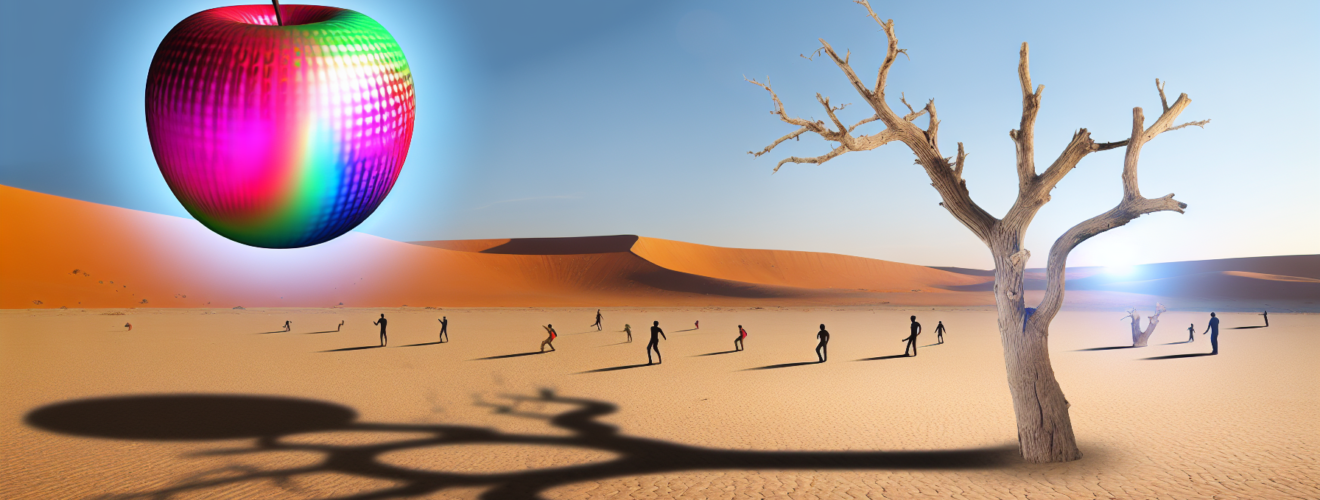
The concept of scarcity is the most basic rule in the study of economics. It is the simple idea that the world has a limited amount of resources. At the same time, humans have wants that seem to have no end. This gap between what we want and what we can have is the core of all economic problems. It is why we cannot have everything we want at any given time. This article will look at why scarcity exists and how it shapes our daily lives and the global economy. We will see how it forces us to make hard choices and how those choices define the value of everything around us.
To understand scarcity, we must first look at what we use to make things. These are called resources. In the world of economics, resources are the building blocks of the goods and services we use. If these blocks were infinite, we would not need to study how to use them. We could all have everything we desire without any effort or cost. However, the reality of our planet is quite different. Every item you see, from the phone in your hand to the food on your plate, comes from a source that has a limit. This is the natural state of our world.
The Building Blocks of Production
To produce any good, we need four types of resources. These are often called the factors of production. They are land, labor, capital, and entrepreneurship. Each one of these is limited in its own way. Land does not just mean the ground we walk on. It includes all natural things. This means water, oil, trees, and minerals. We only have a set amount of these on Earth. When we use one tree to make paper, that tree cannot be used for a house. This is a clear sign of scarcity in nature.
The second factor is labor. This is the work that people do. Even though there are billions of people, time is limited. Each person only has a certain number of hours in a day. Also, people have different skills. A doctor cannot also be a full-time pilot at the same moment. The time and skill of humans are resources that we must use wisely. If we use labor for one task, we lose the chance to use it for another. This makes human effort a scarce resource that costs money and time.
The third factor is capital. Capital includes tools, machines, and buildings. These are things made by people to help make other things. A factory is a form of capital. A truck is also capital. While we can build more machines, we need other resources to build them. We need steel, energy, and time. Because the things used to make capital are scarce, capital itself is also scarce. A company cannot buy every machine in the world. It must pick the ones that help it the most.
The final factor is entrepreneurship. This is the skill of bringing the other three factors together. It involves taking risks to start a business. Not everyone has the skill or the drive to do this. The ideas and the courage to start new projects are not found in every person. This makes leadership and innovation scarce as well. When we look at these four items, we see that nothing is truly free or endless. This leads us to the next big idea in economics.
The Cost of Choosing
Because things are scarce, we must make choices. Every choice has a cost. In economics, we call this the opportunity cost. This is not just about the money you spend. It is about what you give up to get what you want. If you spend an hour reading a book, you cannot spend that same hour sleeping. The sleep you lost is the opportunity cost of reading. This rule applies to everyone. It applies to people, businesses, and even whole nations.
Trade-Offs in Daily Life
Think about a student with twenty dollars. That student might want a new shirt and a nice lunch. If the shirt costs twenty dollars and the lunch costs fifteen, the student cannot have both. They must choose. If they buy the shirt, the cost is the meal they did not eat. This is a trade-off. We face these trade-offs every single day. We trade time for money when we work. We trade money for goods when we shop. These choices are forced upon us by the fact of scarcity.
National Choices and Policy
Governments face the same issues on a much larger scale. A nation has a set amount of tax money. It can spend that money on a new road or on a new hospital. It might want both, but it may not have the funds for both. If the state builds the road, the people lose the hospital for now. This shows that even large and rich groups cannot escape the rule of scarcity. They must look at what is most vital for their people. They must weigh the gains of one choice against the losses of another.
How Markets Solve Scarcity
If we cannot have everything, how do we decide who gets what? This is where the market comes in. The market uses prices to help manage scarcity. When something is very scarce but many people want it, the price goes up. This high price does two things. First, it tells makers to produce more of it. Second, it tells buyers to use it carefully. The price is a signal. It tells us how scarce an item is at any time.
For example, think about gold. Gold is very scarce. It is hard to find and hard to dig up. Many people want it for jewelry or tech. Because it is rare, the price is very high. This high price means that only those who value it the most will buy it. If gold were as common as sand, it would be cheap. We would use it for everything. Prices are a tool. They help us share scarce resources without having to fight over them. They bring order to a world of limits.
The Scarcity of Mind
Scarcity is not just a physical thing. It also affects how we think. Recent studies show that when people feel they lack something, their brains change. This is called the scarcity mindset. If a person is very short on time, they might focus only on the next hour. They might miss big problems that are coming later. This is because the brain is busy trying to solve the lack of time right now. This can lead to poor choices.
The same thing happens with money. When people do not have enough cash for food, they may not plan for the next year. They are focused on today. This shows that scarcity can take up “bandwidth” in our minds. It makes it hard to think about the long term. This is why it is so hard to break out of poverty. The stress of scarcity makes it tough to make the best plans for the future. Understanding this helps us see why some people struggle more than others.
Technology and the Future
Can technology end scarcity? Some people think so. They point to the digital world. In the digital world, we can copy a song or a book for almost no cost. This is called “digital abundance.” However, even in a digital world, some things remain scarce. Attention is one of them. There are millions of videos to watch, but you only have two eyes and a few hours of free time. Your attention is the scarce resource that companies fight for today.
Also, the hardware we use is still physical. We need rare metals for our phones. We need energy to run our servers. Technology can help us use resources better. It can make us more efficient. But it cannot change the fact that we live on a planet with walls. We must still manage what we have. We must still choose between growth and the health of our earth. Scarcity will always be with us in some form.
Conclusion
Scarcity is the reason economics exists. It is the bridge between our endless dreams and our limited reality. It forces us to act. It makes us create tools and systems to make the most of what we have. By understanding scarcity, we learn why things have value. We learn why we must work and why we must save. We also learn that every choice has a hidden cost. While we cannot have everything we want, we can learn to choose what matters most. Life is a series of trade-offs, and scarcity is the force that guides them all.
Sources
Mankiw, N. G. (2020). Principles of economics (9th ed.). Cengage Learning.
Mullainathan, S., & Shafir, E. (2013). Scarcity: Why having too little means so much. Times Books.
Sowell, T. (2014). Basic economics: A common sense guide to the economy (5th ed.). Basic Books.