Understanding Inflation and its Effects on Filipino Households
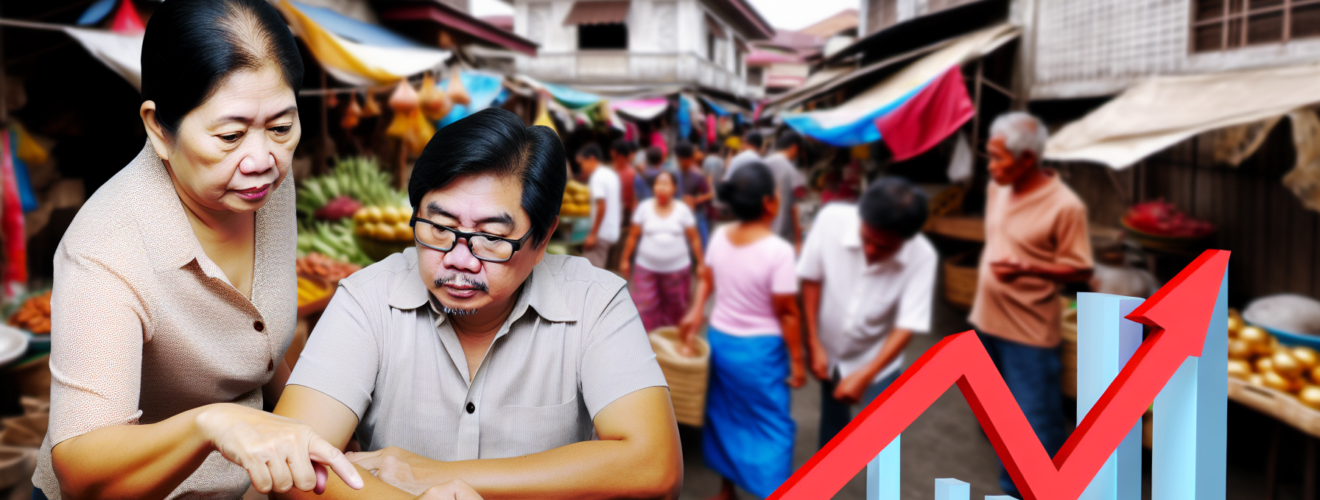
Inflation is a term that many people hear on the news every day. In the simplest terms, inflation is the rate at which the general level of prices for goods and services rises. When inflation occurs, the purchasing power of money falls. For families in the Philippines, this means that each peso buys fewer goods than it did in the past. While a low level of inflation is often seen as a sign of a growing economy, high or sudden price spikes can cause significant stress for many people. This article looks at what drives inflation in the Philippines and how it impacts the daily lives of Filipino households.
Defining Inflation in the Philippine Context
In the Philippines, the government tracks inflation using the Consumer Price Index or CPI. The CPI measures the average change over time in the prices paid by consumers for a market basket of goods and services. This basket includes items like food, clothing, housing, water, electricity, and fuel. It also tracks the costs of transport and health care. When the Philippine Statistics Agency reports that inflation is at a certain percentage, they are comparing the current price of this basket to its price from a year ago. This percentage gives us a clear picture of how much more expensive life has become for the average citizen.
The Bangko Sentral ng Pilipinas, which is the central bank of the country, has a primary goal to keep prices stable. They usually set a target range for inflation, often between two and four percent. When inflation stays within this range, businesses can plan for the future, and consumers can manage their budgets. However, various factors can push inflation above this target. When this happens, the central bank may raise interest rates to slow down spending and bring prices back under control. For the Filipino household, understanding these numbers is the first step in managing a family budget effectively.
The Main Drivers of Local Price Increases
Global Commodity Prices
One of the biggest factors that affects inflation in the Philippines is the price of oil on the world market. Since the Philippines imports a large portion of its fuel, any rise in global oil prices quickly reaches the local pumps. When gasoline and diesel prices go up, the cost of transporting goods also rises. This creates a ripple effect. For example, if it costs more to deliver vegetables from the farms in Benguet to the markets in Manila, the price of those vegetables will increase. Fuel is a core input for many sectors, making it a primary driver of the overall inflation rate.
Agricultural Supply Issues
Food makes up a large part of the CPI basket in the Philippines. In fact, it accounts for nearly half of the spending for lower-income families. This means that any disruption in the food supply has a direct impact on inflation. The Philippines is often hit by typhoons and other natural disasters that damage crops. Pests and diseases, such as the African Swine Fever, can also reduce the supply of meat. When the supply of rice, sugar, or onions falls, their prices go up. Because these items are daily necessities, households feel the impact immediately and have no choice but to pay more.
The Direct Impact on Filipino Households
The Erosion of Purchasing Power
The most visible effect of inflation is the loss of purchasing power. If a family has a fixed monthly income, a rise in inflation means they can buy fewer items than before. This is often described as a “hidden tax” because it reduces the real value of money. For a middle-income family, this might mean eating out less often or choosing cheaper brands of soap and shampoo. For low-income households, however, the impact is much more severe. They may have to cut back on essential items or reduce the number of meals they eat in a day. This erosion of value makes it harder for families to save for the future.
Inequality and the Burden on the Poor
Inflation does not affect everyone in the same way. Economists often note that inflation is regressive. This means it places a heavier burden on poor families than on wealthy ones. High-income individuals often have assets like real estate or stocks that grow in value during inflationary periods. They also spend a smaller percentage of their total income on basic needs. In contrast, the poor spend almost all their earnings on food and utilities. When the price of rice or electricity goes up, they have no financial cushion to fall back on. This gap can lead to increased poverty rates and greater social inequality within the country.
Changes in Consumer Behavior
High inflation also changes how Filipinos shop and consume. Many households turn to “tingi” or buying in small quantities. While buying a single sachet of shampoo or a small pack of coffee is more expensive per unit, it is more manageable for daily budgets. Households also shift their diets toward cheaper calorie sources. Instead of buying meat or fish, they might buy more instant noodles or canned goods. While this helps them stay within their budget, it can lead to long-term health issues. Malnutrition among children is a serious concern when families can no longer afford fresh and healthy food options.
Social and Economic Consequences
Impact on Education and Health
When prices rise, families often prioritize immediate needs like food over long-term investments like education and health. If a parent has to choose between buying rice and paying for a child’s school project, the rice usually wins. Similarly, households may delay medical checkups or skip buying maintenance medicines to save money. Over time, these choices can reduce the overall quality of life and limit the potential of the next generation. The stress of dealing with rising costs also takes a toll on the mental health of parents who struggle to provide for their loved ones.
The Wage-Price Spiral
As inflation stays high, workers often demand higher wages to keep up with the cost of living. If the government or private companies grant these wage hikes, it can lead to a wage-price spiral. This happens when businesses raise the prices of their products to cover the higher cost of labor. This, in turn, leads to more inflation. While workers need higher wages to survive, the resulting price increases can cancel out the benefits of a raise. Balancing the need for fair wages with the need for stable prices is a constant challenge for Philippine policy makers.
Government Responses and Mitigating Measures
To help households, the Philippine government often uses various tools. The Bangko Sentral ng Pilipinas uses monetary policy to manage the money supply. On the other hand, the national government uses fiscal policy. This includes providing targeted cash transfers to the poorest families. They may also provide fuel subsidies to jeepney drivers to prevent transport fares from rising too high. Another strategy is to manage the supply of food through imports. By allowing more imported rice or sugar into the market, the government can help lower prices when local supplies are low. While these measures help, they are often temporary solutions to a complex problem.
Conclusion
Inflation is more than just a set of numbers reported by the government. It is a powerful force that shapes the daily lives of every Filipino. From the price of a ride on a jeepney to the cost of a kilo of rice, inflation dictates what families can and cannot afford. While the causes of inflation are often global or environmental, the effects are deeply personal. By understanding how inflation works, consumers can make better financial choices, and citizens can better engage with economic policies. Ensuring price stability remains one of the most important tasks for the nation to protect the well-being of all Filipino households.
Sources
Asian Development Bank. (2023). Philippines: Economy. Retrieved from https://www.adb.org/countries/philippines/economy
Bangko Sentral ng Pilipinas. (2023). What is Inflation? Retrieved from https://www.bsp.gov.ph/Pages/PriceStability/Inflation.aspx
Philippine Statistics Agency. (2024). Summary Inflation Report Consumer Price Index (2018=100). Retrieved from https://psa.gov.ph/statistics/inflation-and-consumer-price-index
World Bank. (2023). Philippines Economic Update: Overcoming Challenges. Washington, DC: World Bank Group.