
Transcending Physical Limits: Stories of Human Resilience
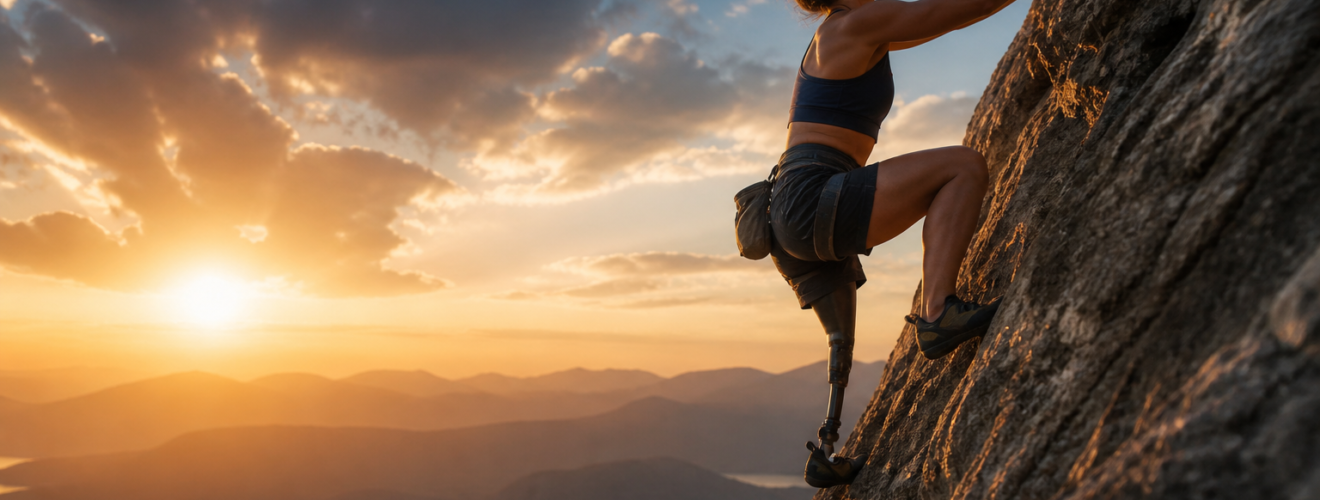
Human beings often face large physical tests. These tests can come from birth, or they may come from an accident. For many years, people thought the body had fixed limits. They believed that once a part of the body was lost or hurt, the person could not do much. New science shows a different story. We now know that the human spirit and the human body can adapt in ways we never expected. This article looks at how people move past their physical limits. It explores the science of the brain and the power of the mind. It also looks at how tools and tech help us go further than ever before. This journey shows that resilience is not just a trait. It is a process that shifts what it means to be human.
The Science of Change
The brain is the center of our ability to adapt. For a long time, scientists thought the brain stopped changing after childhood. We now know this is not true. This concept is called neuroplasticity. It means the brain can form new paths. When one sense is lost, the brain often uses that space for another sense. For example, if a person cannot see, their brain might get better at hearing. This is not magic. It is the brain working hard to help the person survive and thrive. This change shows that our limits are not set in stone. The body can rewrite its own rules to meet new needs.
The Role of the Nervous System
The nervous system plays a key role in how we deal with stress. When we push our bodies, our nerves send signals to the brain. In resilient people, the brain learns how to manage these signals better. This is why athletes can run long distances. Their bodies have learned to stay calm even when they feel pain. This process is called habituation. It means the body gets used to the work. By doing this, people can reach goals that once seemed out of reach. It proves that the body is a soft system that can grow stronger over time.
The Mindset of Resilience
While biology is vital, the mind is just as important. Experts often talk about the growth mindset. This is the idea that we can get better through effort. People with this view do not see a limit as an end. They see it as a hurdle to jump over. This way of thinking changes how the body reacts to stress. If you think you can win, your body often follows that lead. It releases chemicals that help you stay focused. This mental strength is a core part of human resilience. It is what allows a person to keep going when they are tired or hurt.
The Power of Purpose
Having a goal or a reason to move forward is a major factor. Many people who survive hard times say they did it for a purpose. This could be for family, for a dream, or for a cause. When the mind has a clear goal, it can push the body to do amazing things. This is often seen in stories of survival. A person might walk for miles on a broken leg because they want to get home. The sense of meaning acts like a fuel for the body. It proves that physical limits are often tied to our mental state. When we find a reason to push, our limits often move further away.
Stories of Survival and Success
Real life is full of people who have beaten the odds. Take the story of Erik Weihenmayer. He is a man who lost his sight as a teen. Most people thought he would have a quiet life. Instead, he became a world-class climber. He was the first blind person to reach the top of Mount Everest. He did not let his lack of sight stop him. He learned to feel the rock and listen to the ice. His story shows that the human body can find new ways to interact with the world. He used his other senses and his strong will to reach the highest point on Earth.
Adapting to Physical Loss
Another example is found in the world of para-sports. Many athletes have lost limbs but still compete at high levels. They use their bodies in new ways. They show us that a loss of a limb does not mean a loss of life. These athletes train just as hard as any other person. They adapt their form and their style. This shows that resilience is about being flexible. It is about finding a new path when the old one is closed. These stories teach us that we are much stronger than we think. They give hope to many who face their own physical trials.
The Impact of Technology
In the modern world, tech helps us break even more limits. We now have bionic limbs that can feel touch. We have tools that help people walk again. This tech works with the body to restore what was lost. It is a blend of man and machine. This field is growing fast. It allows people to not just return to normal, but to go beyond it. Some prosthetic legs allow runners to go faster than people with natural legs. This raises new questions about what a physical limit even is. Tech is the new frontier of human resilience.
The Future of Human Limits
As we look to the future, the line between the body and tech will blur more. We might see chips that help the brain heal faster. We might see suits that give us extra strength. These tools will help us stay resilient as we age or if we get hurt. But the core will always be the human drive. Tech is just a tool. The will to use it comes from the heart. Human resilience will always be the spark that drives us to use these new tools. We are moving toward a world where no limit is truly final.
Conclusion
Transcending physical limits is a mix of body, mind, and soul. We have seen that the brain can change. We have seen that a strong mindset can push us past pain. We have seen how people and tech can work together to do the impossible. Resilience is the common thread in all these stories. It is the power to face a wall and find a way through it. As we learn more about ourselves, we find that our limits are much further than we once dreamed. The human story is one of moving forward, no matter what stands in the way. We are truly built to last and designed to grow.
Sources
Dweck, C. S. (2006). Mindset: The new psychology of success. Random House.
Frankl, V. E. (1946). Man’s search for meaning. Beacon Press.
Southwick, S. M., & Charney, D. S. (2012). Resilience: The science of mastering life’s greatest challenges. Cambridge University Press.
Weihenmayer, E. (2001). Touch the top of the world: A blind man’s journey to climb farther than the eye can see. Dutton.