Stewardship and Survival: How Caring for Nature Sustains Well-Being
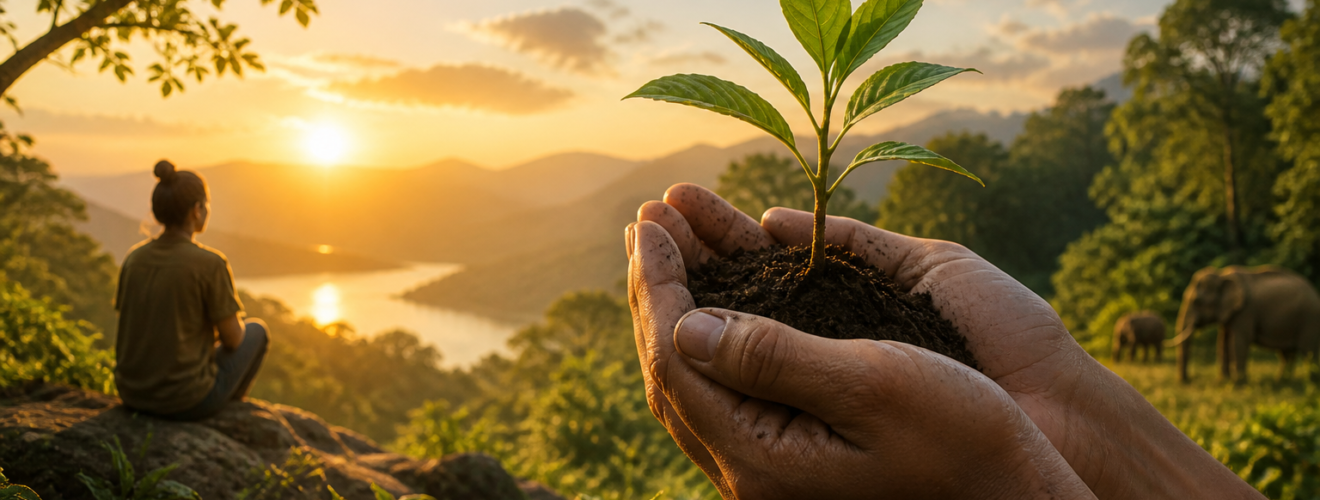
The bond between humans and the natural world is deep and old. For many years, people saw nature as a vast resource to use. Today, we know this view is too simple. Nature is not just a tool for our growth. It is a vital part of our health and our minds. Stewardship is the act of caring for the land and its life. This work does more than save plants and animals. It also helps the human spirit. When we protect the earth, we also protect our own future. This article looks at how caring for nature leads to better well-being for everyone.
The Psychology of Nature and Rest
Scientists have studied how green spaces affect the brain for many years. One famous idea is called Attention Restoration Theory. This theory suggests that modern life drains our mental energy. We spend many hours looking at screens. We deal with loud noise and bright lights. This leads to mental fatigue. Nature offers a different kind of focus. It provides soft sights like clouds or leaves moving in the wind. These things catch our eye without effort. This allows the brain to rest and heal. People who spend time in nature often feel more clear and calm.
Reducing Stress and Anxiety
High stress is a major health issue in the modern world. It can lead to heart disease and a weak immune system. Studies show that being in nature lowers the hormone called cortisol. This hormone is linked to stress. Even a short walk in a park can lower your heart rate. It can also help you feel less anxious. When we see green trees and blue water, our bodies relax. This is an old reflex from our past. It shows that our bodies still need the wild to feel safe and sound.
The Power of Stewardship
Caring for nature is a step beyond just visiting it. Stewardship involves active work. This might mean planting a tree or cleaning a local beach. It could also mean making choices that help the climate. Research shows that being a steward helps mental health. It gives a person a sense of purpose. In a world with many large problems, people often feel small. Working to help the earth makes us feel capable. It turns fear about the future into helpful action. This shift in mindset is a key part of staying happy and healthy.
Building a Sense of Belonging
Stewardship also links us to something larger than ourselves. It reminds us that we are part of a living system. When we care for a garden, we see the cycles of life. We watch seeds turn into flowers. We see how birds and bees rely on our work. This creates a deep bond with the world. People who feel this bond tend to be more satisfied with life. They feel less lonely. They see that their actions matter to the whole world. This feeling of belonging is a core human need.
Physical Health and Environmental Health
The health of the earth and the health of our bodies are one and the same. Clean air is a great example. Forests act as the lungs of our planet. They filter out dust and chemicals. When we protect forests, we ensure we have clean air to breathe. This reduces cases of asthma and lung disease. Likewise, clean water is vital for life. Taking care of rivers helps prevent illness in people. Stewardship is a form of public health work. By keeping nature clean, we keep our own bodies safe.
Movement and the Outdoors
Nature also invites us to move. Parks and trails provide space for walking and running. These activities are better for us when done outside. Studies show that people walk faster and longer in green areas. They also enjoy the exercise more. This helps fight obesity and other health issues. When cities invest in green spaces, their citizens move more. This leads to a healthier and more active group of people. Protecting land ensures that we always have a place to stay fit.
Social Ties and Green Spaces
Green spaces bring people together. A local park is a place where neighbors meet. A community garden is a place where people work side by side. These spaces build social capital. Social capital is the value of our social networks. When we have strong ties to others, we are more resilient. We can handle hard times better. Stewardship projects often bring groups together for a common goal. This builds trust and friendship among diverse people. It makes a community stronger and safer for everyone.
Teaching the Next Generation
Stewardship is also a way to teach children. When kids learn to care for nature, they learn empathy. They see that their actions have an impact. They learn to be patient and kind. This helps them grow into healthy adults. It also ensures that the earth will be cared for in the years to come. Passing on the value of nature is a gift to the future. It creates a cycle of health that lasts for many generations.
The Economic Value of Nature
Some people think that protecting nature costs too much. However, the opposite is true. Nature provides services that would cost trillions of dollars to replace. Trees cool our cities for free. This saves money on air conditioning. Healthy soil grows the food we eat. Natural wetlands stop floods from destroying homes. By being good stewards, we save a lot of money. A healthy earth supports a healthy economy. This stability is good for everyone. It reduces the stress of money and loss.
Investing in the Future
We must see nature as an asset. Just like a bank account, we must not let it run dry. If we only take and never give back, the system will fail. Stewardship is like making a deposit. It ensures that the earth can keep giving us what we need. This includes clean water, food, and peace of mind. Taking care of our assets is a smart move. It provides a safety net for all of us.
Conclusion
Human health depends on a healthy world. We cannot thrive if the earth is sick. Stewardship is the path to a better life. It heals our minds through rest and purpose. It heals our bodies through clean air and water. It brings our communities together. By caring for the wild, we find a way to survive and thrive. Nature is not just a place we go. It is our home and our life. To care for it is the most important work we can do. When we help nature, we help ourselves. This is the true heart of well-being.
Sources
Bratman, G. N., Hamilton, J. P., & Daily, G. C. (2012). The impacts of nature experience on human cognitive function and mental health. Annals of the New York Academy of Sciences, 1249(1), 118-136.
Frumkin, H. (2001). Beyond toxicity: Human health and the natural environment. American Journal of Preventive Medicine, 20(3), 234-240.
Kaplan, S. (1995). The restorative benefits of nature: Toward an integrative framework. Journal of Environmental Psychology, 15(3), 169-182.
Wilson, E. O. (1984). Biophilia. Harvard University Press.