
The Art of Environmental Aesthetics: Bringing Harmony Back to Spaces
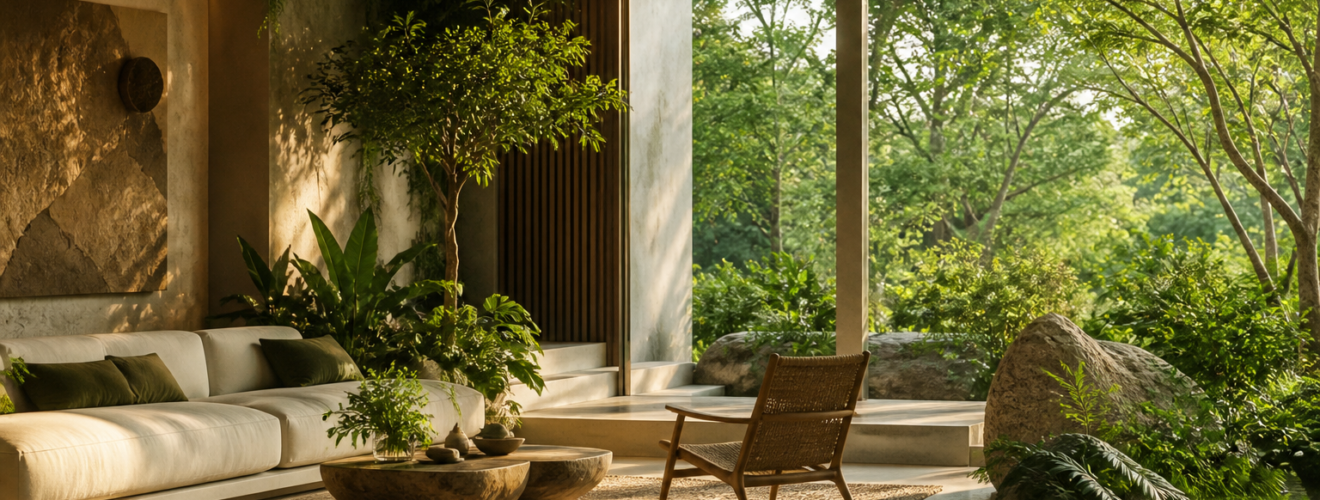
The relationship between human beings and their surroundings is a fundamental aspect of the human experience. We do not simply exist in a vacuum. Instead, we are constantly interacting with the spaces we inhabit. Whether it is a home, an office, or a public park, the environment shapes our moods and our thoughts. Environmental aesthetics is the study of this interaction. It focuses on the sensory qualities of our world and how they impact our well-being. This field goes beyond the idea of simple decoration. It seeks to understand how the design of a space can bring harmony back to our lives. In an era of rapid urban growth, this study is more important than ever. We must look at how to build spaces that do more than just provide shelter. We must build spaces that nourish the soul.
For many years, the focus of design was on function. Buildings were made to be useful and efficient. While efficiency is important, it often ignores the human need for beauty. A sterile office might be functional, but it rarely inspires the people who work there. A crowded city street may move traffic well, but it might also cause stress for pedestrians. Environmental aesthetics suggests that beauty is not a luxury. It is a biological and psychological need. When we are in a place that feels harmonious, our bodies react in a positive way. Our heart rate slows down and our focus improves. By studying these effects, we can learn to create better environments for everyone. This article will examine the history, psychology, and practical applications of environmental aesthetics in the modern world.
The Evolution of Environmental Aesthetics
The roots of environmental aesthetics are found in early philosophy. In the past, thinkers often divided the world into two parts. These were the natural world and the world made by humans. For a long time, the focus of aesthetics was only on fine arts like painting or music. Nature was seen as a separate thing that did not require the same study. However, this changed in the twentieth century. Philosophers began to realize that our experience of a landscape is just as valid as our experience of a statue. This shift allowed for a broader view of what beauty means. It moved the focus from an object to a whole environment. This new view encouraged people to see the world as an integrated system where everything is connected.
The Philosophical Shift
Early scholars like Arnold Berleant argued for an aesthetics of engagement. This idea suggests that we are not just observers of the world. We are participants in it. When we walk through a forest, we are part of that forest. The sounds, smells, and textures all contribute to our experience. This perspective changed how designers thought about built spaces. If people are participants, then every detail of a building matters. The way a door handle feels or the sound of footsteps on a floor becomes part of the aesthetic experience. This led to a more holistic approach to design. It forced architects to think about the sensory journey of the person using the space. By doing so, they could create a sense of belonging and peace.
Today, the field continues to grow. It now includes ideas from ecology and urban planning. Experts look at how cities can be designed to mimic the patterns of nature. They call this biophilic design. It is based on the idea that humans have an innate love for life and living systems. When we bring plants and natural light into a city, we are practicing environmental aesthetics. We are trying to restore a balance that was lost during the industrial age. This balance is key to creating a sustainable future. It ensures that our modern world still feels like a home for the human spirit.
The Psychology of Harmonious Spaces
The impact of our environment on our mental health is a major area of study. Research shows that poor spatial design can lead to higher levels of cortisol. This is the hormone that is linked to stress. On the other hand, well-designed spaces can lower stress and boost happiness. This is often because of how our brains process visual information. We prefer spaces that have a certain level of complexity but also a clear order. This balance prevents the brain from feeling bored or overwhelmed. When a space achieves this balance, it is often described as having harmony. Achieving this harmony is the primary goal of environmental aesthetics.
The Role of Restorative Environments
One of the most famous theories in this field is Attention Restoration Theory. It suggests that urban life drains our mental energy. We have to focus on many things at once, such as traffic and screens. This leads to mental fatigue. Natural environments allow our minds to rest. They provide soft fascinations like the movement of leaves or the flow of water. These things capture our attention without effort. Environmental aesthetics applies this theory to the built world. By adding natural elements to a workspace, we can help people recover from fatigue. This leads to better productivity and a better mood. It proves that the way a space looks directly affects how well our brains function.
Another factor is the concept of prospect and refuge. Humans feel safe when they have a clear view of their surroundings but also feel protected from behind. This is an ancient instinct. A room with a large window and a cozy corner satisfies both of these needs. When these needs are met, we feel a sense of calm. Designers use these psychological cues to create spaces that feel right. They use lighting and layout to guide our emotions. This is the art of using aesthetics to improve the quality of life. It shows that good design is a form of care for the person using the space.
Practical Applications for Modern Design
To bring harmony back to spaces, we must use specific design tools. One of the most powerful tools is the use of natural materials. Wood, stone, and clay have textures that feel good to the touch. They also have colors that are pleasing to the eye. These materials age over time, which gives a space a sense of history and life. Using these materials helps to ground us. It connects us to the physical world in a way that plastic and steel cannot. Even in a modern skyscraper, the use of wood can make a room feel warm and inviting. This is a simple way to apply the principles of environmental aesthetics.
Lighting and the Human Rhythm
Lighting is another vital part of environmental aesthetics. Our bodies follow a natural clock called the circadian rhythm. This clock is set by the sun. Many modern buildings use bright, blue light all day. This can disrupt our sleep and our mood. A harmonious space uses natural light as much as possible. Large windows and skylights allow the sun to fill a room. As the day goes on, the light changes from cool to warm. This helps our bodies stay in sync with the outside world. When natural light is not available, we can use smart lighting systems. These systems mimic the path of the sun. This is a practical way to use technology to improve our health and our aesthetic experience.
Acoustics also play a role in how we perceive a space. Sound can be a source of stress or a source of peace. Hard surfaces reflect sound and create echoes. This can make a room feel loud and chaotic. Soft materials like carpets or acoustic panels absorb sound. This creates a quiet and calm atmosphere. In urban areas, designers use water features to mask the sound of traffic. The sound of a fountain is much more pleasant than the sound of a car. By managing the soundscape, we can create a sense of sanctuary. This is an essential part of making a space feel harmonious and complete.
Sustainability as an Aesthetic Value
Modern environmental aesthetics must also consider the health of the planet. We cannot truly enjoy a space if it harms the earth. Therefore, sustainability has become a key part of beauty. A building that uses solar power or recycled water is beautiful because it is responsible. This is a new way of thinking about aesthetics. It is not just about how a thing looks. It is about how it works within the global system. When we use local materials, we reduce the carbon footprint of a project. This creates a deeper sense of harmony with the local environment. It shows that we respect the place where we live.
In the future, the best spaces will be those that integrate nature and technology. We will see more green roofs and vertical gardens. These features improve air quality and provide beauty at the same time. They turn a cold wall into a living thing. This is the ultimate goal of environmental aesthetics. It is the practice of making our world a better place to live. By focusing on harmony, we can create a future that is both beautiful and sustainable. We can build a world where every space supports the health and happiness of all people. This is the true art of design.
Conclusion
Environmental aesthetics is a vital field for the modern world. It teaches us that our surroundings matter. The way we design our spaces can either cause stress or create peace. By understanding the psychology of beauty, we can build better lives. We can use natural light, soft sounds, and organic materials to bring harmony back to our homes and offices. This is not just about making things look pretty. It is about supporting our basic human needs. When we feel at home in our environment, we are more creative and more kind. We are able to live in a way that is balanced and healthy.
As we move forward, we must keep these lessons in mind. We must challenge the idea that efficiency is the only goal of design. Instead, we should aim for a world that is full of beauty and grace. Every room we enter and every street we walk down should make us feel good. This is possible if we prioritize environmental aesthetics. By doing so, we can restore the link between humans and the natural world. We can create a future where every space is a source of joy. The art of environmental aesthetics is the art of living well. It is a journey toward a more harmonious and beautiful world for everyone.
Sources
Berleant, A. (1992). The aesthetics of environment. Temple University Press.
Kaplan, S. (1995). The restorative benefits of nature: Toward an integrative framework. Journal of Environmental Psychology, 15(3), 169-182.
Kellert, S. R., Heerwagen, J., & Mador, M. (2008). Biophilic design: The theory, science and practice of bringing buildings to life. Wiley.
Pallasmaa, J. (2012). The eyes of the skin: Architecture and the senses. John Wiley & Sons.
Ulrich, R. S. (1984). View through a window may influence recovery from surgery. Science, 224(4647), 420-421.