Agriculture in Less Developed Countries
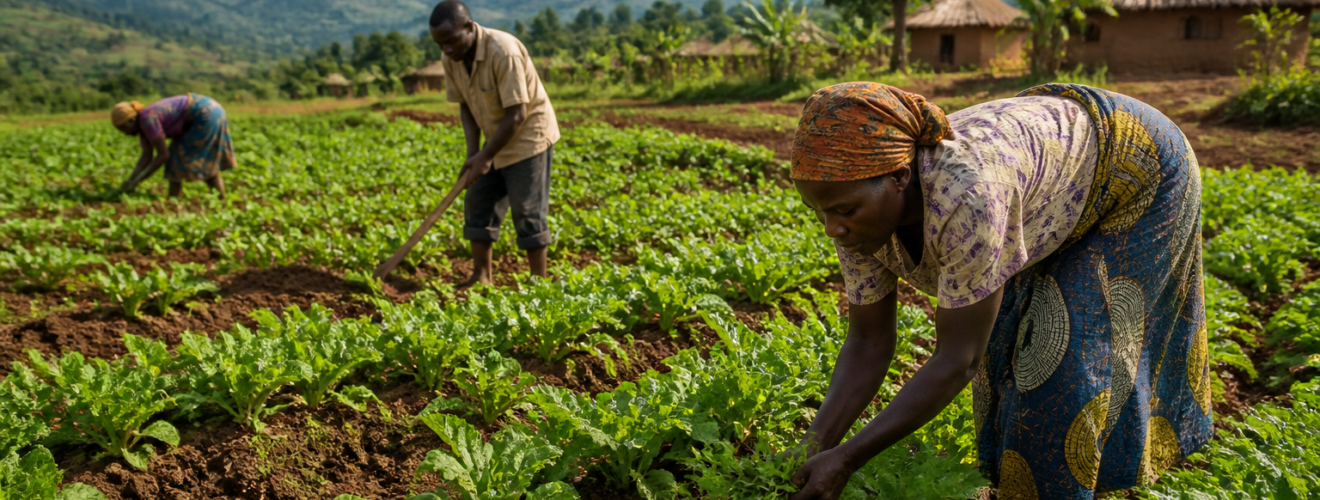
Agriculture is the most important part of the economy in many poor nations today. It serves as the main source of food and jobs for billions of people. In these places, the farm sector is the primary way people stay alive. Most workers in these countries spend their days in the fields. They grow crops to feed their own families and to sell in local markets. This sector also helps these nations trade with the rest of the world. However, many hard hurdles slow down the growth of these farms. Understanding these issues is vital for the world. We must learn how to help these nations grow more food and make more money. This article looks at the state of farming in these areas. It will cover the main problems and some possible ways to solve them.
The Economic Value of Farming
In many poor countries, the farm sector makes up a large part of the total wealth. While rich nations rely on factories and tech, poor nations rely on the soil. Most of the people in these areas live in the countryside. They do not have office jobs or work in large shops. Instead, they plant seeds and harvest crops. This work provides the base for their entire way of life. When the crops are good, the whole town is happy. People have enough to eat and money to spend. When the crops fail, the whole country feels the pain. This shows how much these nations depend on a few types of plants. This focus on one sector can be risky for a country.
Farming also helps these countries join the global market. They sell products like coffee, tea, and cocoa to rich countries. This brings in foreign money. This money is then used to buy things the country cannot make itself. For example, they might buy fuel or medicine. Without these farm exports, many poor nations would have no way to trade. This would make it very hard for them to grow. Thus, the farm is not just about food. it is about the money that lets a nation function. It is the engine that drives the local economy. Improving this engine is the first step to making a country rich.
Barriers to Farm Success
Many problems keep farmers in poor countries from being more productive. One of the biggest issues is the size of the farms. Most farmers only have a small plot of land. These small farms are often too tiny to use large machines. A farmer cannot afford a tractor for a very small field. This means they must do all the work by hand. Working by hand is slow and hard. It limits how much food one person can grow. Because they cannot grow much, they cannot save money. This creates a cycle of poverty that is very hard to break.
Land Rights and Tenure
Another big issue is who owns the land. In many areas, the rules about land are not clear. A farmer might work on a piece of land for years but not own it. If they do not own the land, they are afraid to make it better. They will not dig deep wells or build fences. They fear that someone might take the land away from them. This lack of clear rights stops people from investing in their work. When people feel safe on their land, they work harder. They try new things to make the soil better. Without clear rights, the land stays poor and so do the people.
Lack of Money and Credit
Farmers also need money to buy better supplies. They need good seeds and tools to help crops grow. However, most poor farmers cannot get loans from banks. Banks often think that farming is too risky. They do not want to lend money to someone who might lose their crop to a storm. Without loans, farmers must use old seeds from the year before. These seeds do not produce as much food. They also cannot buy things like fertilizer to help the plants grow. This lack of credit is a major wall that stops growth. If farmers could get small loans, they could grow much more food.
The Threat of Climate Change
The weather is the most important factor for any farm. In poor nations, most farms rely only on rain. They do not have pipes or pumps to water the fields. This makes them very weak to changes in the weather. In recent years, the climate has become less steady. There are now more droughts than there were in the past. These long dry spells kill the plants before they can be picked. At other times, there are huge floods. These floods wash away the soil and the crops. These events are becoming more common and more severe.
Climate change also brings new pests and diseases. Insects that like warm weather move into new areas. They eat the leaves and stems of the plants. Farmers in poor nations often do not have the sprays needed to kill these bugs. This can lead to the loss of an entire harvest. For a family that lives on what they grow, this is a total disaster. They have nothing to eat and nothing to sell. This makes the threat of a changing climate a matter of life and death. Helping these farmers adapt to the new weather is a top priority for global leaders.
New Tools and Solutions
There is still hope for farming in poor countries. New tools and ideas are starting to make a difference. One simple solution is the use of mobile phones. Even in very poor areas, many people now have a phone. They use these phones to check the price of crops in the city. This helps them get a fair price for their work. They can also get text messages about the weather. This tells them the best day to plant their seeds. These small bits of data can save a crop from ruin. Technology does not always have to be a big machine. Sometimes, a small phone is the best tool a farmer can have.
Better Seeds and Better Soil
Science is also helping by making better seeds. Some seeds can now grow even when there is very little water. These are called drought-tolerant seeds. They are a great help in areas that get little rain. Other seeds can resist the bugs that eat crops. These new plants help farmers grow more food on the same small plot of land. At the same time, experts are teaching farmers how to take care of the soil. They learn how to rotate crops so the dirt stays healthy. Healthy soil produces more food for many years. These simple changes in how people farm can lead to big gains in food security.
Moving Toward a Better Future
In conclusion, the farm sector is vital for the growth of poor nations. It is the main way people live and the heart of the economy. While the challenges are great, the path forward is clear. We must help farmers get better land rights and better tools. We must also help them deal with a changing climate. Small changes can lead to a big rise in the amount of food grown. This will help end hunger and pull millions out of poverty. If the farm sector thrives, the whole nation thrives. The future of these countries depends on the success of the small farmer. With the right support, they can feed the world and build a better life for their children.
Sources:
Food and Agriculture Organization. (2023). The state of food security and nutrition in the world. United Nations.
International Food Policy Research Institute. (2021). Global food policy report: Transforming food systems after COVID-19. IFPRI.
World Bank. (2022). World development report 2022: Finance for an equitable recovery. World Bank Publications.
Lowder, S. K., Skoet, J., & Raney, T. (2016). The number, size, and distribution of farms, smallholder farms, and family farms worldwide. World Development, 87, 16-29.
Gollin, D. (2014). Smallholder agriculture in developing countries: The roles of ICTs. Oxford Review of Economic Policy, 30(3), 442-461.