Migration and Population
The Impact of Migration on Global Populations
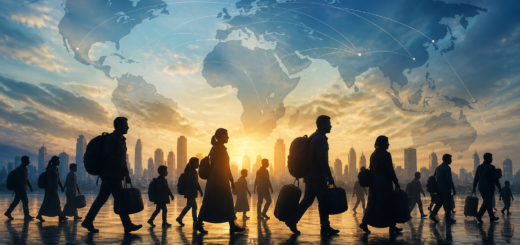
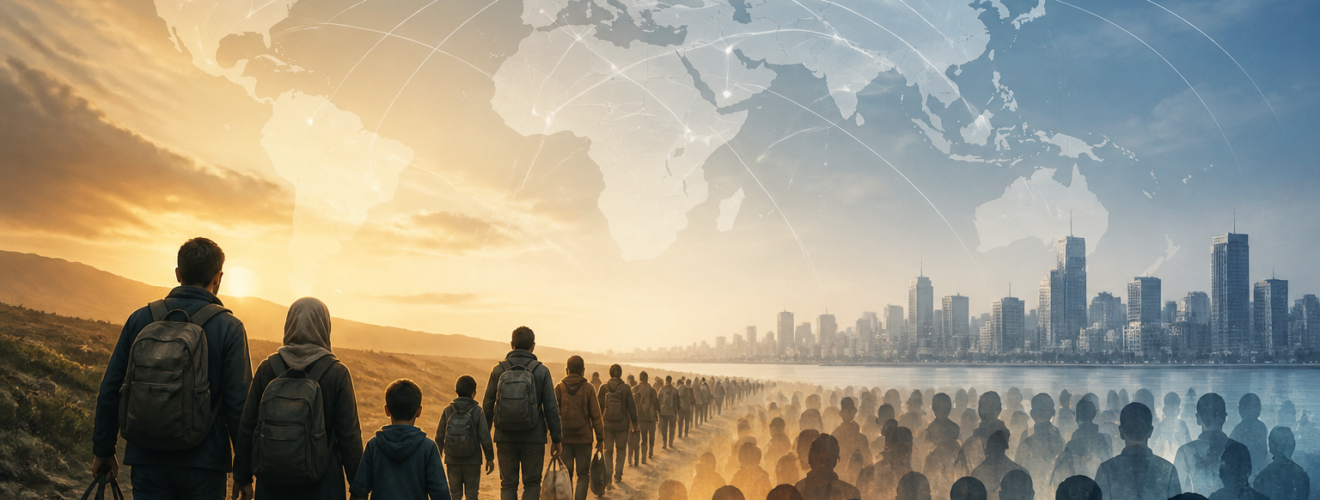
Migration is the movement of people from one place to another. This act has shaped our world for a very long time. In the modern era, the scale of this movement is quite large. Millions of people now live in countries where they were not born. This change affects how many people live in a specific area. It also changes the age and skill levels of the local workforce. Understanding these shifts is key for modern leaders and experts. It helps us see how societies grow and change over time.
The study of population is called demography. Migration is one of the three main parts of demography. The other two are births and deaths. When we look at a country, we must see how many people arrive and how many leave. This balance tells us if a population is growing or shrinking. In many wealthy nations, birth rates are very low. In these places, migration is often the only way the population stays stable. Without new arrivals, these countries would face a fast decline in their total number of people.
Drivers of Human Movement
Why do people choose to move? Most experts talk about push and pull factors. Push factors are things that make people want to leave their home. These can include a lack of jobs, war, or bad weather. For example, a long drought might make it hard for farmers to grow food. This pushes them to look for work in a city or another country. High levels of crime or a lack of freedom can also act as strong push factors. These issues create a sense of unease that forces families to seek safety elsewhere.
Pull factors are the things that draw people to a new place. A strong economy is the most common pull factor. People move to places where they can earn more money. They also look for better schools for their children and good doctors. Safety and peace are also very attractive to those living in areas of conflict. Many people move because they already have family or friends in a new country. This makes the move feel safer and easier. These networks provide support and help newcomers find their way in a new culture.
The Role of Economic Opportunity
Jobs are the main reason most people migrate today. Many workers move from poor countries to rich ones to find better pay. This helps the workers and their families. It also helps the countries they move to. Many industries in wealthy nations need more workers than they have. These include farms, construction sites, and hospitals. Migrants fill these gaps and keep the economy moving. This creates a win-win situation for both the worker and the employer. However, it can also lead to a loss of talent in the home country. This is often called brain drain.
Demographic Transitions and Aging
Many countries in Europe and East Asia are getting older. This means there are more elderly people and fewer young workers. This shift creates a large problem for the future. Older people need health care and pensions. These things are usually paid for by younger workers who pay taxes. If there are not enough young workers, the system can fail. Migration helps to fix this balance. Most migrants are young and in their prime working years. They join the labor force and contribute to the tax system. This helps support the aging local population.
In contrast, many countries in Africa and South Asia have very young populations. These nations have more young people than jobs. For these countries, migration can act as a safety valve. It allows young people to find work elsewhere. These workers then send money back home to their families. These funds are called remittances. Remittances are a major source of income for many poor nations. They help pay for food, housing, and education. This money can be more helpful than foreign aid from other governments.
Social and Cultural Integration
When people move, they bring more than just their labor. They bring their culture, language, and ideas. This makes societies more diverse. Diversity can lead to new ideas and a richer culture. Many of the world’s most famous cities are very diverse. This makes them centers of art, food, and music. However, large shifts in population can also cause stress. Some local people may worry about changes to their way of life. They might fear that there will be less work or fewer resources for everyone. This can lead to political tension and debates about border laws.
Successful integration is vital for social peace. This means helping newcomers learn the local language and find work. It also means making sure they feel part of the community. When migrants feel welcome, they are more likely to contribute to their new home. Schools play a big role in this process. Children from different backgrounds learn together and build friendships. Over time, these bonds help to create a unified society. Good policy focuses on making this transition smooth for everyone involved.
The Future of Global Migration
In the coming years, migration will likely increase. Climate change is a new and big factor. As the Earth gets warmer, some places will become hard to live in. Rising sea levels may flood coastal towns. Extreme heat might make it impossible to farm in some regions. This will force many people to move to safer areas. Experts call these people climate refugees. Managing this move will be a huge task for the world. It will require countries to work together and share the load.
Technology also changes how we move. It is now easier to find out about jobs in other countries. People can use their phones to stay in touch with family far away. This makes moving feel less like a permanent goodbye. It also helps migrants share tips and advice with others who want to move. As the world stays connected, the movement of people will remain a core part of our story. We must find ways to manage it that are fair and help all people thrive.
Conclusion
Migration is a complex but vital part of human life. It drives economic growth and helps fix demographic gaps. While it brings challenges, the benefits are often very high. It allows people to seek safety and a better life. It also keeps the global economy strong and flexible. As our world changes, we must treat migration as an opportunity. By working together, nations can ensure that movement is safe and orderly. This will lead to a more stable and prosperous world for everyone. Understanding the link between migration and population is the first step toward this goal.
Sources
Castles, S., de Haas, H., & Miller, M. J. (2014). The age of migration: International population movements in the modern world. Palgrave Macmillan.
International Organization for Migration. (2022). World Migration Report 2022. United Nations.
United Nations Department of Economic and Social Affairs. (2020). International Migration 2020 Highlights. United Nations.
World Bank. (2023). World Development Report 2023: Migrants, Refugees, and Societies. World Bank Publications.