Ethnicity and Race
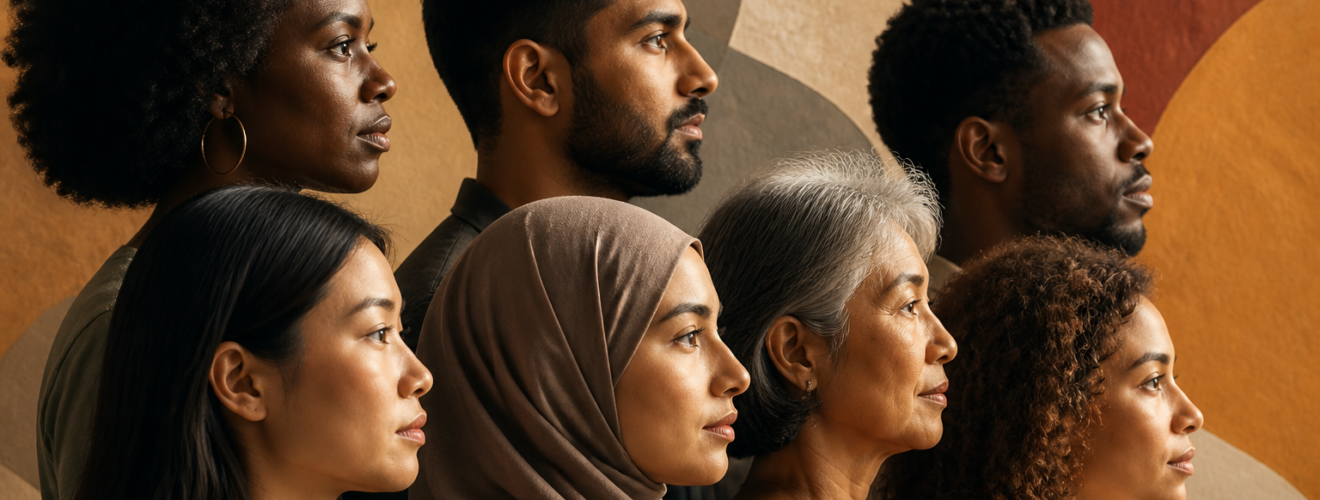
The concepts of race and ethnicity are very important. They help us understand how people live together. Most people use these two words in the same way. However, they have very different meanings. Race is often linked to physical traits. Ethnicity is linked to cultural traits. Both ideas shape how we see ourselves. They also affect how we treat others. In this article, we will look at these terms. We will see why they matter in our world today. We will also see how they are built by society. Understanding these ideas is key to a fair world.
Defining the Concept of Race
Race is a way to group people based on physical things. These things include skin color and hair type. People also look at eye shape or bone structure. For a long time, many thought race was about biology. They believed that clear lines divided human groups. They thought these lines were set in our DNA. Today, most scientists do not agree with this. They say that humans are all very similar. There is more variation within a group than between groups. This means that race is not a biological fact.
If race is not biological, what is it? Experts call it a social construct. This means that society created the idea of race. Humans decided which physical traits matter. They then used these traits to put people into groups. Throughout history, these groups were not equal. Some groups were given more power than others. This led to many unfair rules and systems. Even though race is made up, its effects are very real. It changes how people find jobs or get health care. It is a tool that societies use to organize themselves.
The way we define race also changes over time. A person might be seen as one race in one country. That same person might be seen as a different race in another country. This shows that the rules for race are not fixed. They depend on the history of a specific place. In the past, the law often decided who belonged to which race. These laws were often used to keep groups apart. Today, we still feel the weight of those old laws. They shaped the world we live in now.
Defining the Concept of Ethnicity
Ethnicity is different from race because it is about culture. It is based on a shared heritage. This can include a common language or religion. It can also include shared food, music, and traditions. People in an ethnic group often feel a strong bond. They share a history and a way of life. Unlike race, ethnicity is usually something people feel inside. It is about where their family came from. It is about the stories they tell and the holidays they keep.
One person can belong to many ethnic groups. For example, a person might have roots in two different countries. They might speak two languages at home. Ethnicity is also something that can be learned. A person can join a new culture and take on its ways. This makes ethnicity very flexible. It can change as people move around the world. In our global world, many people have complex ethnic identities. They do not fit into just one box. This richness makes society more diverse and interesting.
Ethnicity often gives people a sense of belonging. It helps them know who they are. In times of trouble, ethnic groups often support each other. They provide a community for those who feel alone. However, ethnicity can also be used to create “us” and “them” groups. When one group thinks they are better than another, it causes conflict. This is why it is important to celebrate all cultures. We must learn to value the differences that ethnicity brings to our lives.
How Race and Ethnicity Overlap
While race and ethnicity are different, they do overlap. A person’s race can affect their ethnic identity. For example, people of the same race may share a culture because of how they are treated. In many places, racial groups have formed their own unique cultures. This happens when they are forced to live in the same areas. They develop new traditions and ways of speaking. Over time, this becomes a new ethnic identity. This shows how the two ideas work together to shape who we are.
Sometimes, people use these terms to mean the same thing. This can be confusing. For instance, some census forms ask about race and ethnicity in the same section. This forces people to choose a label that might not fit. A person might feel like their ethnicity is more important than their race. Another person might feel the opposite. The choice often depends on their personal life. It also depends on how society sees them. We must be careful not to ignore these details.
The overlap also shows up in how we talk about groups. We might talk about a group as if they are all the same. But within any racial group, there are many ethnic groups. For example, “Black” is a racial category. But a Black person could be from many different places. They could be from the United States, Haiti, or Nigeria. Each of these places has its own culture and history. We should not forget this diversity. It is important to see the individual person behind the group label.
The Social Impact of Categorization
The way we group people has a big impact on society. These groups are often used to distribute resources. This includes money, education, and safety. When certain groups are treated better, it creates a gap. This gap is known as inequality. Inequality based on race and ethnicity is a major problem. it leads to many social issues. It can affect how long people live or how much they earn. These are not just personal issues. They are problems that affect the whole system.
Systemic issues are hard to change because they are built into the rules. Even if individuals are kind, the rules might still be unfair. For example, a bank might use a rule that makes it hard for certain groups to get a loan. This keeps those groups from buying homes. Over time, this creates a big wealth gap. To fix this, we must look at the rules themselves. we must work to make them fair for everyone. This requires us to talk openly about race and ethnicity.
Learning about these ideas helps us build a better world. When we understand how these groups are made, we can challenge them. we can stand up for those who are treated poorly. We can also learn to value the unique gifts of every culture. Diversity makes our schools and workplaces stronger. It brings new ideas and new ways of solving problems. By working together, we can move past old labels. We can build a society where every person has a fair chance to succeed.
Conclusion
In summary, race and ethnicity are complex but vital ideas. Race is a social group based on physical traits. Ethnicity is a social group based on culture and heritage. Neither is a simple biological fact. Instead, they are ideas that society has built over time. These ideas have a huge impact on how we live. They can create a sense of community or a sense of divide. It is our job to understand these terms. We must see how they affect our lives and the lives of others. Only then can we create a world that is truly equal and just for all.
Sources
Cornell, S., & Hartmann, D. (2007). Ethnicity and race: Making identities in a changing world. Pine Forge Press.
Desmond, M., & Emirbayer, M. (2020). Race in America. W. W. Norton & Company.
Omi, M., & Winant, H. (2014). Racial formation in the United States. Routledge.
Smedley, A., & Smedley, B. D. (2011). Race in North America: Origin and evolution of a worldview. Westview Press.