Internal Migration
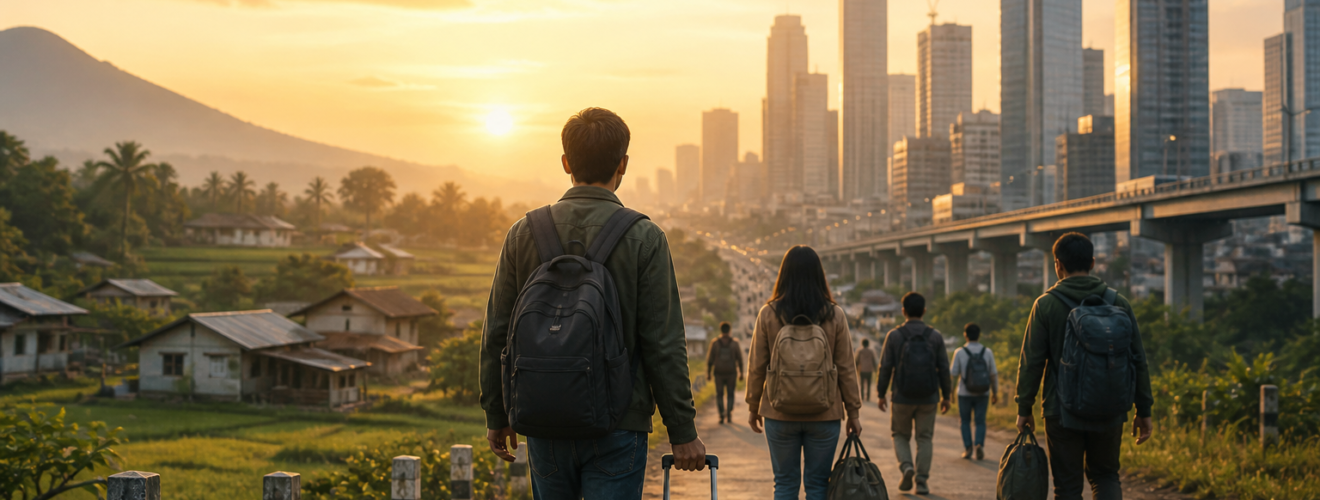
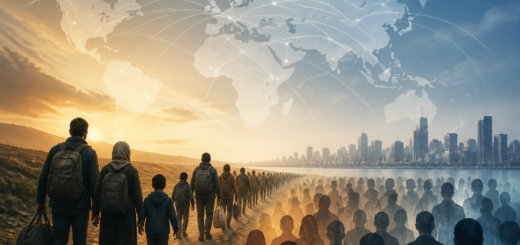
Internal migration refers to the process of people moving from one place to another within the borders of a single country. This movement is a vital part of modern life. It shapes the way cities grow and how rural areas change. While international migration often gets more news coverage, internal migration is actually much more common. Millions of people change their place of residence every year to find new opportunities. They might move to a different city, a new province, or even just a nearby town. This internal flow of people is a major force in the global economy. It helps balance labor markets and drives the development of new infrastructure. To understand this trend, we must look at why people move and what happens when they arrive at their new homes.
The Core Drivers of Internal Migration
Scholars often use the push and pull framework to explain why people move. Push factors are things that drive people away from their current home. These might include a lack of jobs, poor schools, or a low quality of life. Pull factors are the things that attract people to a new place. Better pay, higher quality healthcare, and more stable environments are strong pull factors. In many cases, the choice to move is not based on just one thing. It is a mix of many social and economic needs. People weigh the costs of staying against the potential gains of leaving. This calculation is the heart of most migration choices. When the perceived benefits outweigh the risks, a move becomes more likely.
Economic Incentives and Labor Markets
Economics is perhaps the most frequent driver of internal movement. In many nations, wealth is not spread out in an even way. Some regions have more factories, offices, and service jobs than others. People living in slower regions often feel they must move to survive. This is clearly seen in the rural-to-urban shift. Farmers may find that their income is not enough to support a family. They see the city as a place with more diverse job options. Once they move, they send money back to their families. This flow of money helps support rural areas even as they lose people. The labor market thus acts as a giant pump, moving workers to where they are needed most. This process can lead to higher growth for the whole nation.
The Role of Education and Social Aspirations
Education is another major factor that drives movement within a country. Young people often move to cities to attend universities or trade schools. Once they finish their studies, they may stay in those cities to start their careers. This creates a trend where skilled workers gather in specific hubs. This is often called the brain drain when it happens in rural towns. Social goals also play a part in these moves. People may want to live in places that offer more cultural events, parks, and diverse social circles. The desire for a modern lifestyle is a powerful pull factor for the youth. They view the city as a place of freedom and personal growth.
Socioeconomic Impacts on Urban Centers
When large numbers of people move to cities, the impact is huge. Urbanization can lead to great economic success. It allows for a high density of ideas and trade. However, it also places a heavy load on city systems. Roads, water lines, and power grids must expand to meet the new demand. If the move happens too fast, the city might struggle to keep up. This can lead to housing shortages and higher rent. In some cases, it leads to the growth of informal housing or slums. These areas often lack basic services. City planners must work hard to ensure that growth is managed in a fair and healthy way. Proper planning can turn migration into a tool for national success.
Infrastructure and Public Services
The arrival of new residents requires a fast response from the state. Schools must hire more teachers, and hospitals must add more beds. When a city grows, it can gain more tax money to pay for these things. Yet, there is often a time gap between when people arrive and when new services are ready. This gap can cause stress for both old and new residents. High demand for buses and trains can lead to crowded transit systems. To fix this, leaders must invest in long-term projects. They must look ahead at population trends to build the cities of the future. Effective infrastructure is the backbone of a successful migrant-friendly city.
Social Integration and Cultural Diversity
Internal migration also changes the social fabric of a region. People from different parts of a country bring their own customs, food, and dialects. This can lead to a rich and vibrant culture in the host city. However, it can also lead to social tension. Local residents may feel that their way of life is changing too quickly. They might worry about job competition or the loss of local identity. It is vital for local governments to promote social ties. Programs that help new arrivals find jobs and housing can reduce this stress. When people feel welcome, they are more likely to contribute to their new community in a positive way.
Environmental and Policy Challenges
Environmental issues are now a growing cause of internal migration. Climate change is making some areas harder to live in. For example, rising sea levels or severe droughts can ruin farm land. People who can no longer grow food or find water are forced to move. These environmental migrants often face a very hard path. They may not have the money or skills needed for city life. Governments are now trying to create policies to help these people. They are looking at how to make rural areas more resilient. At the same time, they are planning for new waves of people in safer zones. Policy is the primary tool used to manage these massive human shifts.
The Role of National Policy
A nation’s laws can either help or hinder internal migration. Some countries have rules that make it hard to move. They might link social benefits to a person’s place of birth. This can keep people stuck in poor areas. Other nations encourage movement to spread out the population. They might offer tax breaks to companies that move to less crowded regions. Good policy should balance the rights of the person with the needs of the country. It should make sure that moving is a choice rather than a desperate act. By easing the path for workers, a country can ensure its economy stays flexible and strong.
Long-Term Demographic Trends
As countries develop, the patterns of internal migration change. In many rich nations, people are now moving away from big cities. They are looking for lower costs and a slower pace of life in the suburbs or small towns. This is often called counter-urbanization. Advances in technology make this possible. If people can work from home, they do not need to live near an office. This could lead to a rebirth of small towns. It could also help lower the pressure on big city infrastructure. These shifting trends show that migration is not a one-way street. It is a fluid process that reacts to the needs of the time.
Conclusion
Internal migration is a vital part of how a country grows and changes. It is driven by the human desire for a better life. Whether people move for jobs, school, or safety, they bring energy to their new homes. While this movement can cause stress for cities and rural areas, it also offers great rewards. It helps people find work and helps businesses find staff. It creates diverse and lively communities. To make the most of these shifts, leaders must use smart planning and fair laws. They must ensure that the move is safe and that new arrivals have a fair shot at success. As the world continues to change, the flow of people within borders will remain a key part of our global story. Understanding these patterns is the first step toward building a more stable and prosperous future for everyone.
Sources
Castles, S., de Haas, H., & Miller, M. J. (2014). The Age of Migration: International Population Movements in the Modern World. Palgrave Macmillan.
Harris, J. R., & Todaro, M. P. (1970). Migration, unemployment and development: A two-sector analysis. The American Economic Review, 60(1), 126-142.
Lucas, R. E. (1997). Internal migration in developing countries. Handbook of Population and Family Economics, 1, 721-798.
Ravenstein, E. G. (1885). The laws of migration. Journal of the Statistical Society of London, 48(2), 167-235.
United Nations. (2020). World Migration Report 2020. International Organization for Migration.