The Economic Reforms of Jose Basco: The Tobacco Monopoly
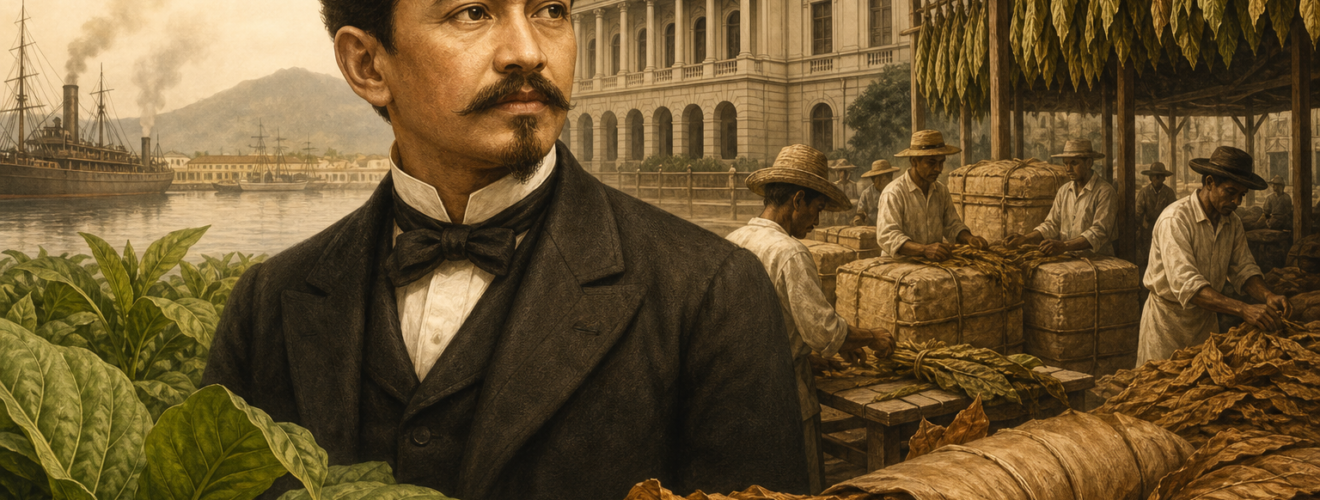
Governor-General Jose Basco y Vargas arrived in the Philippines in 1778. He was a man of the sea and a thinker of the Enlightenment. At that time, the Spanish colony lived on silver from Mexico. This fund was called the Real Situado. Basco wanted to change this. He believed the Philippines could be rich on its own. He looked at the land and saw great potential. His goal was to make the colony pay for itself. He wanted to turn the islands into a source of wealth for the Spanish Crown. This vision led to many changes in trade and farming. The most famous of these was the tobacco monopoly. This system would change the local economy for over a century. It showed how a state could control a single crop to fund its entire budget.
Basco did not act alone. He worked with the King of Spain to start his plans. He created the Economic Society of Friends of the Country. This group helped farmers learn new ways to grow crops. They gave prizes for the best silk, cotton, and spices. Basco also helped start the Royal Company of the Philippines. This company tried to link the colony directly to Spain. Before this, almost all trade went through Mexico. These steps set the stage for a big move. In 1780, the King gave Basco the power to control tobacco. This was the start of a deep shift in how the state made money. It was the birth of the Estanco de Tabaco.
The Birth of the Tobacco Monopoly
The tobacco monopoly officially began in 1782. Basco saw that people in the Philippines loved tobacco. Men, women, and even children used it every day. The government saw a chance to make a profit. They took total control over the plant. Under the new law, no one could grow tobacco without a permit. The state chose specific areas for planting. These included the Cagayan Valley, Ilocos, and Nueva Ecija. Farmers in these areas had to grow only tobacco. They could not grow food like rice or corn if the state said no. This was a bold move by the Spanish state. It turned a private habit into a public bank.
The rules of the monopoly were very strict. The state bought all the tobacco from the farmers. The farmers had to sell it at a price set by the state. Often, this price was very low. Then, the state took the tobacco to factories. There, workers turned the leaves into cigars and cigarettes. The government then sold these goods back to the people at a high price. It also sold tobacco to other countries. This system made sure the state won at both ends. They controlled the cost of making it and the price of selling it. This created a steady stream of cash for the colonial government. It was the first time the colony had a reliable way to earn money.
Mechanisms of Control and Production
To run the monopoly, the state built a large group of workers. These were clerks, guards, and managers. They were part of the tobacco administration. The state divided the land into districts. Each district had a chief. These chiefs made sure farmers met their quotas. If a farmer did not grow enough, he faced a fine. If he grew too much, the extra was burned. The state did not want any tobacco to leak out into the black market. This was a massive task in a land of many islands. The government had to watch the ports and the fields with equal care. They used ships and soldiers to stop smugglers. This was a total system of economic control.
The Role of the Resguardos
The state created a special police force called the resguardos. Their only job was to protect the tobacco trade. They searched houses for hidden leaves. They patrolled the roads to stop illegal sales. These guards were often feared by the local people. They had the power to arrest anyone who broke the tobacco laws. This show of force was needed to keep the monopoly alive. Without the guards, farmers would have sold their crops to private buyers for more money. The presence of the resguardos made sure the state kept its grip on the market. It was a clear sign of how far the state would go for profit.
Fiscal Success and Economic Independence
The results for the state were great. Within a few years, the tobacco monopoly was the main source of income. By the early 1800s, the Philippines no longer needed the Real Situado from Mexico. The colony was finally self-sufficient. In fact, it started sending money back to Spain. This was a major goal for Jose Basco. The money funded the army and the navy. It paid for new roads and public buildings. It also helped the state fight off pirates and foreign threats. For the Spanish Crown, Basco was a hero. He had turned a poor colony into a profitable asset. The tobacco trade became the spine of the colonial treasury.
The monopoly also put the Philippines on the global map. Philippine cigars became world famous. They were known for their high quality. Markets in Europe and Asia wanted them. This gave the colony a product that could compete in world trade. It moved the economy away from just trading Chinese silk. Instead, the islands now produced their own wealth from the soil. This was a key step in the economic growth of the country. It showed that the land had value beyond its location. Basco’s plan worked exactly as he had hoped. The state was now rich and strong.
Social Costs and Institutional Corruption
While the state grew rich, the people often suffered. The monopoly brought many hardships to the farmers. They were forced to grow a crop that they could not eat. If the state was late in paying them, the farmers went hungry. Often, the government paid in paper notes instead of silver. These notes were hard to use in local markets. This led to deep poverty in the tobacco regions. Farmers were tied to the land by debt and law. They were part of a system that used their labor to fill the king’s coffers. This created a sense of anger against the Spanish rule. The economic gain for the state came at a high human cost.
Corruption also grew within the system. Many officials took bribes to look the other way. Some would undercount the crop to steal some for themselves. Others would force farmers to buy goods from them at high prices. The guards often used their power to bully the poor. Because the monopoly was so big, it was hard to stop these crimes. The state knew about the abuse but did little to stop it. As long as the money kept flowing to Manila and Madrid, the leaders were happy. This corruption weakened the bond between the people and the government. It planted seeds of rebellion that would grow in the years to come.
The Legacy of Jose Basco
The tobacco monopoly lasted until 1882. It was finally ended because of changes in world trade. Private companies wanted to enter the market. The state also found it hard to manage the growing unrest. However, the impact of the monopoly remained. It had built the foundation of the modern Philippine state. It taught the government how to collect taxes and run a large bureaucracy. It also made tobacco a staple of the local economy. Even today, tobacco remains a major crop in the northern provinces. The roads and towns built with tobacco money still stand as a tribute to that era.
Jose Basco y Vargas is remembered as a great reformer. His work shifted the focus of the colony to agriculture and industry. He proved that the Philippines could be more than a stop for the galleon trade. While his methods were harsh, his vision for a self-reliant economy was clear. He was a man of his time who sought order and profit for his nation. The tobacco monopoly was his greatest tool. It was a complex mix of success and suffering. It made the state wealthy but left the people weary. In the end, it was a vital chapter in the long history of the Filipino people and their land.
Sources
Agoncillo, T. A. (1990). History of the Filipino People (8th ed.). Garotech Publishing.
Corpuz, O. D. (1997). An Economic History of the Philippines. University of the Philippines Press.
De Jesus, E. C. (1980). The Tobacco Monopoly in the Philippines: Bureaucracy and Social Change, 1766-1880. Ateneo de Manila University Press.
Legarda, B. J. (1999). After the Galleons: Foreign Trade and Economic Reform in Nineteenth-Century Philippines. University of Wisconsin-Madison.