Fact vs. Fallacy: Distinguishing Between Truth and Mere Opinion
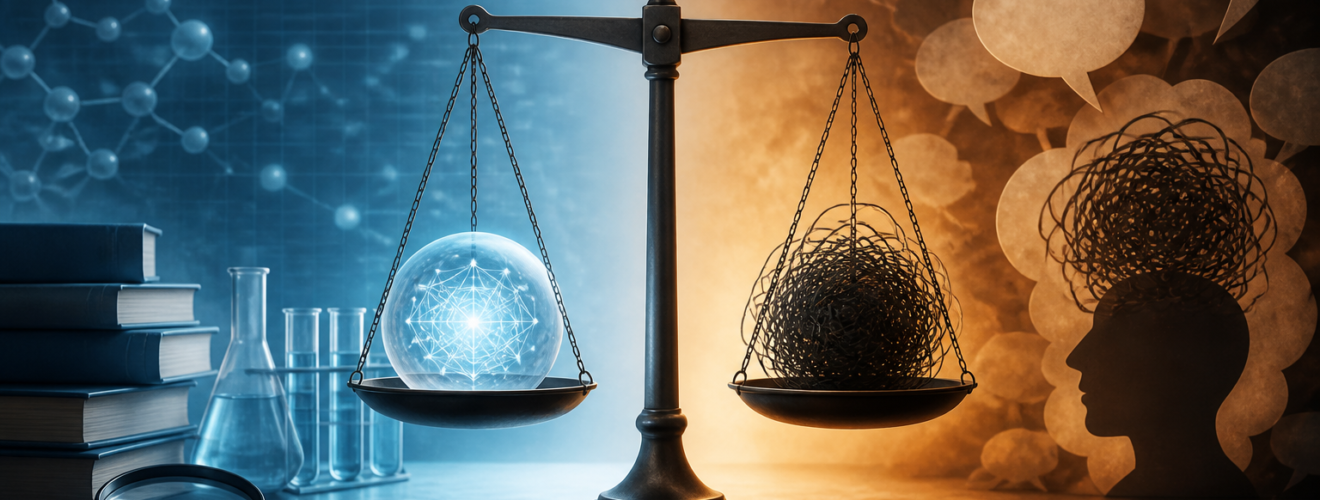
The world is full of data today. We get news from many places. Some of it is true. Some of it is just a guess. We must learn to tell the difference. This is a key skill for everyone. It helps us make good choices. It helps us understand the world. We live in an age of fast information. This makes it hard to see what is real. We often see facts and opinions mixed together. We also see logic that is not sound. To find the truth, we must be careful. We must look at how we think. This article will look at facts and fallacies. It will show how to tell them apart. We will learn why facts stay the same. We will see how fallacies can trick us. We will also look at how to use critical thinking. This is the best way to find clear truth. Truth is not just a matter of what we want to believe. It is based on what we can prove. By the end of this text, you will have tools to see clearly. These tools are vital for students and experts alike.
The Core Nature of a Fact
A fact is something that is true. It does not change because of how we feel. It is the same for every person. For example, the earth moves around the sun. This is a fact. We can see it with tools. We can prove it with math. Facts are based on things we can see or measure. We call this empirical evidence. This type of proof is strong. It does not care about our bias. If you say a stone is hard, you can test it. If the test shows it is hard, then it is a fact. Facts are the building blocks of science. They help us build planes and cure sick people. Without facts, we would not have a stable world. We would only have dreams and guesses. In a professional setting, facts are vital. They allow teams to work on the same ground. When we use facts, we are being objective. This means we look at the object itself. We do not let our own minds change the results. This is the first step to clear thought.
Verification and Peer Review
How do we know if a fact is real? We must verify it. Verification means checking the proof again. In the world of science, we use peer review. This is when other experts look at the work. They check for errors. They try to find mistakes in the tests. If they cannot find a flaw, the fact becomes stronger. This process is very slow. It is meant to be slow. It stops bad ideas from spreading. We should look for peer-reviewed sources. These are more reliable than a blog post or a tweet. When you read something, ask where it came from. Did experts check it? Is there a test that shows it is true? If the answer is yes, you are likely looking at a fact. This helps us avoid the trap of fake news. Reliable sources are the key to a good mind. They keep us grounded in reality. This is why we must always look for the source of a claim.
The Trap of Logical Fallacies
A fallacy is a mistake in logic. It is a flaw in the way we think. Sometimes, people use them to win an argument. They might not even know they are doing it. Fallacies make an idea look true when it is not. One common type is the ad hominem. This happens when you attack the person instead of the idea. For example, someone might say a doctor is wrong because they are mean. This is not logical. A mean person can still tell the truth about health. Another common mistake is the straw man. This is when you change someone’s idea to make it look weak. Then you attack the weak version. This does not prove the original idea is wrong. It only proves you can win a fight with a fake target. These traps are everywhere in public life. They are in ads and on the news. They pull us away from the truth. We must learn to spot them. When we see a fallacy, we should stop. We should ask what the real proof is. Logic should be clean and clear. It should follow a straight line from proof to conclusion.
Common Cognitive Biases
Our brains are not perfect. We have things called cognitive biases. These are shortcuts our minds take. One major bias is confirmation bias. This is when we only look for news that we already like. If we think one way, we find facts that support us. We ignore the facts that show we are wrong. This is a very big problem. It keeps us in a bubble. To find the truth, we must be brave. We must look at things that challenge us. We must ask if we are being fair. Another bias is the appeal to authority. This is when we believe something just because a famous person said it. Just because someone is rich or well-known does not mean they are right. We must look at the evidence, not the person. If we know our biases, we can fight them. We can try to think more clearly every day. This is the work of a professional mind.
Opinion versus Fact-Based Judgment
Opinions are not facts. An opinion is a belief or a feeling. It is based on what we like. For example, “I like apples” is an opinion. You cannot prove it is wrong. It is true for the person saying it. But it is not a fact for everyone. In an academic tone, we must be careful with opinions. We can have an expert opinion, but it must be based on facts. An expert opinion is when a person with much study makes a judgment. This is more useful than a random guess. However, even experts can be wrong. This is why we always go back to the data. Many people get mad when their opinions are questioned. They feel like their self is being attacked. But ideas are not the same as people. We should be happy to change our minds when we see new facts. This is how we grow. A strong mind is one that can change. It is not one that stays stuck in a single thought. We must value the truth more than our own ego. This is the goal of high learning.
The Role of Subjectivity
Subjectivity is about the individual. It is about how we see the world through our own eyes. This is important for art and music. It is fine to have a subjective view of a painting. But it is not fine to have a subjective view of gravity. When we talk about truth, we must try to be objective. We must step back from our own views. We must see things as they are. This is hard to do. We are all humans with feelings. But we can practice. We can look at a problem from many sides. We can ask how a person from another country would see it. This helps us find the core of the issue. It clears away the fog of our own feelings. This is why we use numbers and clear tests. They help us stay objective when things get complex. Subjectivity has its place, but it should not run our logic.
Building a Toolkit for Truth
We need a toolkit to find the truth. The first tool is doubt. Do not believe everything you hear right away. Ask for proof. The second tool is checking sources. Use sites and books that are known for being right. The third tool is logic. Look for fallacies in every talk. If you find one, be careful. The fourth tool is staying calm. Truth is often found when we are not angry. When we are mad, we do not think well. We just want to win. Winning is not the same as being right. We should aim to be right, not just to win. This toolkit will help you in school. It will help you at work. It will help you in your life. The truth is often simple, but finding it is hard work. It takes time to read and think. It takes energy to check facts. But the reward is great. You will have a clear view of the world. You will not be tricked by lies. You will be a person of high integrity. This is the mark of a true professional.
Conclusion
In conclusion, the line between fact and fallacy is clear if we look for it. Facts are stable and proven. Fallacies are errors that hide the truth. Opinions are personal and should not be used as proof. By using critical thinking, we can navigate the world with ease. We must stay alert and ask questions. We must look for real evidence in all things. This is more than just a school skill. it is a way to live a good life. It protects us from errors. It helps us build a better world for everyone. Let us value the truth and work hard to find it every day. The effort is worth it for a bright future. We must keep learning and keep thinking. The truth is out there, and we have the tools to find it. Let us use them well.
Sources
American Psychological Association. (2020). Publication manual of the American Psychological Association (7th ed.).
Kahneman, D. (2011). Thinking, fast and slow. Farrar, Straus and Giroux.
Paul, R., & Elder, L. (2006). The international critical thinking reading and writing test. Foundation for Critical Thinking.
Sagan, C. (1995). The demon-haunted world: Science as a candle in the dark. Random House.
Taleb, N. N. (2007). The black swan: The impact of the highly improbable. Random House.