Category: Araling Panlipunan
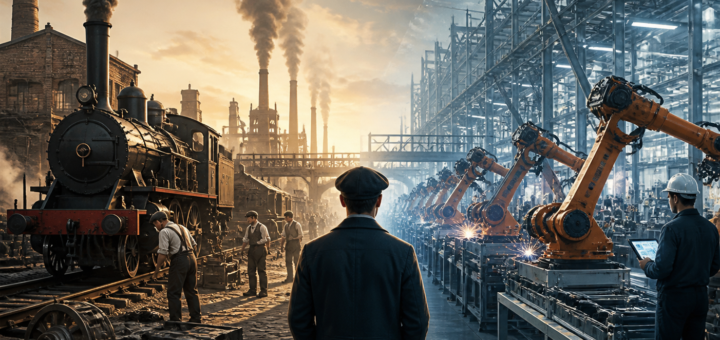
The Industrial Revolution was a major turning point in human history. It began in Great Britain during the late eighteenth century. This period saw a shift from manual labor to machine production. Before this...
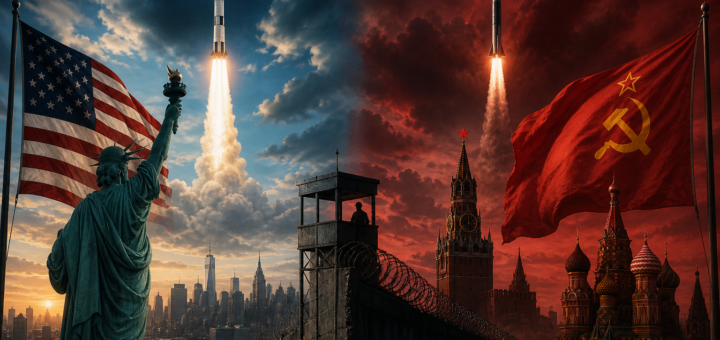
Ang kasaysayan ng daigdig matapos ang Ikalawang Digmaang Pandaigdig ay hinubog ng isang mahaba at masalimuot na tunggalian na kilala bilang Cold War. Sa halip na direktang pagbabanggaan ng mga hukbo, ang labanang ito...
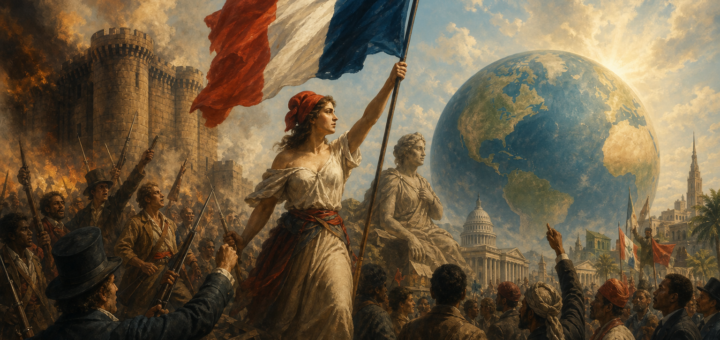
Ang kasaysayan ng sibilisasyon ay dumaan sa maraming yugto ng pagbabago, ngunit kakaunti ang mga pangyayari na kasing-halaga at kasing-tindi ng Rebolusyong Pranses noong 1789. Ang kaganapang ito ay hindi lamang isang lokal na...
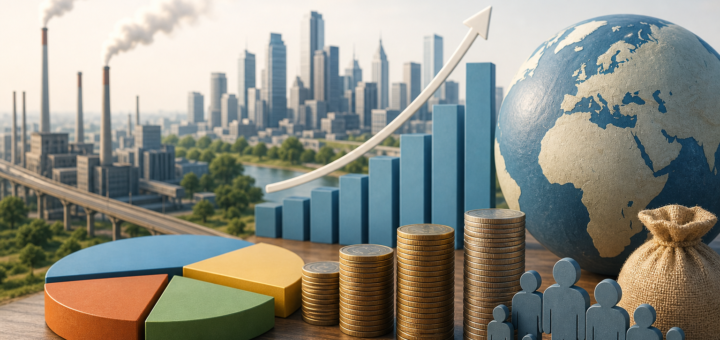
Ang makroekonomiks ay isang mahalagang sangay ng agham panlipunan na nakatuon sa pag-aaral ng kabuuang gawi at pagpapasya ng isang bansa. Hindi tulad ng mikroeokonomiks na sumusuri sa maliliit na yunit gaya ng sambahayan...
Ang konsepto ng estratipikasyong panlipunan ay isa sa mga pinakamahalagang paksa sa larangan ng sosyolohiya. Ito ay tumutukoy sa paghahati-hati ng lipunan sa iba’t ibang antas o kategorya batay sa yaman, kapangyarihan, at katayuan....
Ang pag-unawa sa konsepto ng kultura ay isa sa mga pinakamahalagang pundasyon ng pag-aaral sa agham panlipunan, partikular na sa sosyolohiya at antropolohiya. Sa pangkalahatang depinisyon, ang kultura ay tumutukoy sa kabuuan ng pamumuhay...
Ang pakikilahok sa gawaing pansibiko ay nagsisilbing pundasyon ng isang matatag at maunlad na lipunan. Sa loob ng lokal na komunidad, ang bawat aksyon ng mga mamamayan ay may malalim na epekto sa kalidad...
Ang pag-unawa sa pinagmulan ng mga mamamayan sa Pilipinas ay isa sa mga pinakamahalagang paksa sa larangan ng kasaysayan, antropolohiya, at arkeolohiya. Sa loob ng maraming dekada, naging batayan ng edukasyon sa bansa ang...
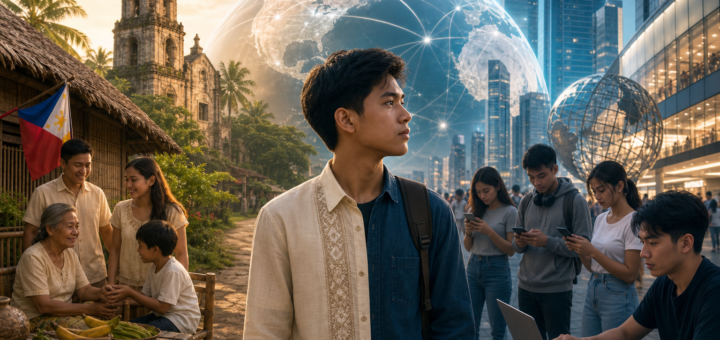
Ang globalisasyon ay isa sa mga pinaka-maimpluwensyang puwersa na humuhubog sa modernong mundo sa kasalukuyang panahon. Ito ay isang proseso ng mabilis na pagkakabit-kabit ng mga bansa, kultura, at ekonomiya sa pamamagitan ng teknolohiya,...
Ang sistemang hudisyal ng Pilipinas ay nagsisilbing pundasyon ng katarungan, kaayusan, at pananaig ng batas sa bansa. Bilang isa sa tatlong pantay na sangay ng pamahalaan, ang Hudikatura ay may tungkuling bigyang-kahulugan ang mga...