
Biag ni Lam-ang: Exploring Cultural Values and Heroism in Ilocano Epics
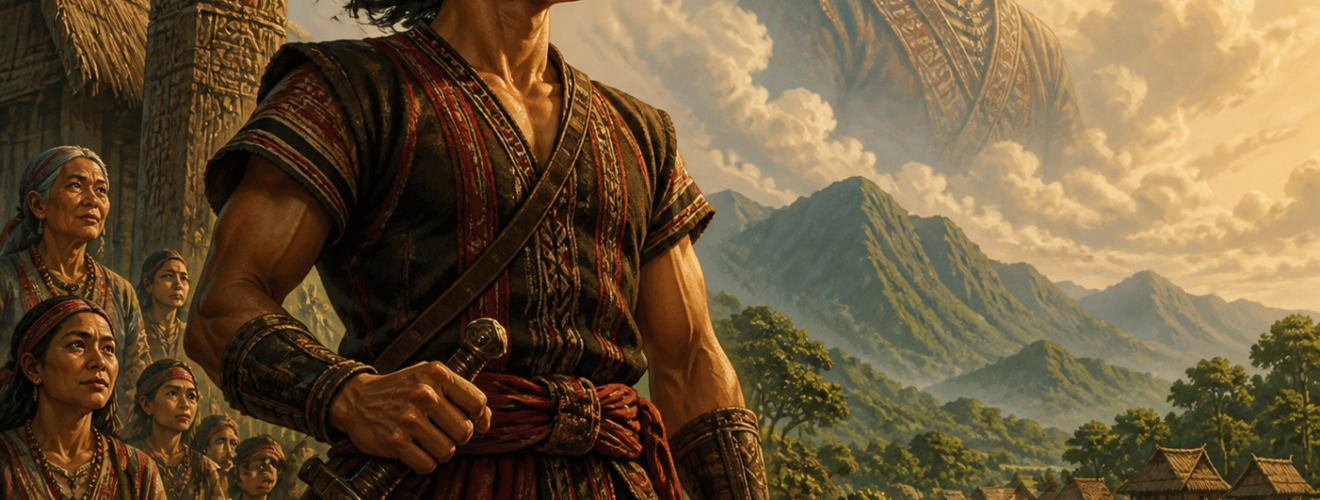
The Philippines is a land of many stories and rich history. One of the most famous stories is the epic of Biag ni Lam-ang. This story comes from the Ilocos region in the northern part of the country. It is a very old tale that people told for many years before it was written down. It is unique because it is the first Philippine folk epic recorded in writing. The poem tells the story of a hero with great strength and magic powers. This epic is more than just an adventure. It shows the core values and the spirit of the Ilocano people. By looking at this work, we can learn about the history and soul of a proud culture.
Biag ni Lam-ang is a long poem that blends myth and reality. It describes the life of a hero from his birth to his death and his return to life. The story likely started long before the Spanish arrived in the Philippines. However, the versions we have today show some Spanish influence. This mix makes the epic a bridge between two worlds. It links the ancient past with the era of colonization. Scholars study this text to see how Ilocano identity stayed strong during times of change. It serves as a symbol of pride for people in the north and the whole nation.
The Life and Trials of a Hero
The story begins with the birth of the hero, Lam-ang. He is not a normal child. As soon as he is born, he can speak. He even tells his mother what his name should be. He also picks his own godparents. This part of the story shows that Lam-ang is a special person. It highlights the value of independence. In Ilocano culture, being strong and smart from a young age is very important. Lam-ang does not wait for others to tell him what to do. He takes charge of his own life from the very start. This is a key trait of a hero in this culture.
The Search for the Father
Lam-ang soon learns that his father, Don Juan, went to war and never came back. His father went to fight the Igorot tribes in the mountains. Even though he is still a baby, Lam-ang decides to find him. He carries magic stones and weapons to help him. When he finds the people who killed his father, he shows no fear. He uses his magic to defeat a large group of enemies all by himself. This quest shows the value of loyalty to the family. In the Ilocos region, children have a deep respect for their parents. Protecting the honor of the family is a major duty. Lam-ang’s victory is not just for him. It is a victory for his father and his home.
The Pursuit of Ines Kannoyan
After his battle, Lam-ang falls in love with a beautiful woman named Ines Kannoyan. To win her heart, he must prove his worth. He is not the only man who wants to marry her. There are many other rich and strong suitors. Lam-ang uses his magic animals to impress her family. He has a white rooster and a hairy dog. These animals can perform amazing feats. For example, the rooster can make a house fall down and then stand back up. These magic acts show that Lam-ang is more than a warrior. He is also a person of great resourcefulness. To marry Ines, he also provides a huge dowry of gold and wealth. This part of the story highlights the importance of hard work and providing for a partner.
Cultural Values in the Epic
The epic of Lam-ang is full of cultural markers. One of the most clear values is the “Ilocano spirit.” This spirit includes being brave, thrifty, and very hardworking. Lam-ang works hard to get what he wants. He does not give up when things get hard. Whether he is fighting a war or trying to get married, he keeps going. This shows the virtue of perseverance. The people of the Ilocos region live in a place where the land can be tough. They have learned to be strong and to save their resources. Lam-ang represents this way of life perfectly. He is a hero because he survives and wins through his own effort.
Filial Piety and Family Honor
Family is the center of the world in the epic. Lam-ang’s first big act is to find his father. His last big act is to live a happy life with his wife. The story shows that a person is not whole without their family. This value is called filial piety. It means showing respect and care for one’s parents and ancestors. When Lam-ang defeats his father’s enemies, he restores the family name. In Philippine society, your name belongs to your whole family. If you do something good, your family is honored. If you do something bad, your family is shamed. Lam-ang always acts to bring honor to his house.
Supernatural Beliefs and Animism
The use of magic in the epic shows the old beliefs of the Filipinos. Before they became Christians, many Filipinos believed in spirits and magic animals. Lam-ang’s rooster and dog are symbols of this belief. They are his helpers and his friends. They have voices and they can think. This shows that the people of that time felt a close bond with nature. They believed that the world was full of power that a hero could use. Even though the story was written down during the Spanish time, these old ideas stayed. It shows that the local culture was very strong. It did not disappear when new religions arrived.
Heroism and Resurrection
The end of the story is very famous. Lam-ang must dive into the ocean to catch a special fish called a rarang. This is a task that all brave men in his town must do. However, a giant fish called a berkakan eats him. This seems like the end of the hero. But his wife, Ines, does not lose hope. She gets a diver to find his bones. With the help of the magic rooster and dog, Lam-ang comes back to life. This resurrection is a powerful moment. It shows that a true hero can never really die. His spirit and his deeds live on.
The Role of the Wife
Ines Kannoyan is also a hero in her own way. She is the one who finds a way to bring Lam-ang back. She shows great faith and love. This highlights the role of women in Ilocano society. They are seen as strong and wise. They are the ones who hold the family together when things go wrong. Without Ines, Lam-ang would stay at the bottom of the sea. Their partnership shows that heroism is often a team effort. It is not just about one man with a sword. It is about a community and a family working together to overcome death and loss.
Historical and Modern Significance
Biag ni Lam-ang remains an important part of Philippine school lessons today. It is a tool for teaching young people about their roots. In a world that is changing fast, these stories help people remember who they are. The epic has been translated into many languages so that everyone can read it. It is also a subject of art, dance, and theater. By keeping the story alive, the Ilocano people keep their history alive. The hero Lam-ang is a symbol of the Filipino who can face any challenge and rise again.
In conclusion, the epic of Biag ni Lam-ang is a treasure of Philippine literature. It combines magic, adventure, and deep social values. It tells us about the importance of family, the strength of the individual, and the power of love. The hero Lam-ang is a model of the Ilocano person. He is brave, loyal, and never gives up. This story teaches us that even when we face giant obstacles, we can win. We just need courage and the support of our loved ones. The epic will continue to inspire people for many years to come.
Sources
Billiet, F., & Lambrecht, F. (1970). The Kalinga Ullalim and the Ilocano Biag ni Lam-ang. Catholic School Press.
Foronda, M. A. (1978). Samtoy: Essays on Iloko history and culture. United Publishing.
Jocano, F. L. (1967). The epic of Labaw Donggon. University of the Philippines Press.
Lopez, M. L. (2006). A handbook of Philippine folklore. University of the Philippines Press.
Manuel, E. A. (1963). A survey of Philippine folk epics. Asian Folklore Studies, 22, 1-76.
Yabes, L. Y. (1935). The Ilocano epic: A critical study of the “Biag ni Lam-ang”. Carmelo & Bauermann.