Folk and Popular Culture
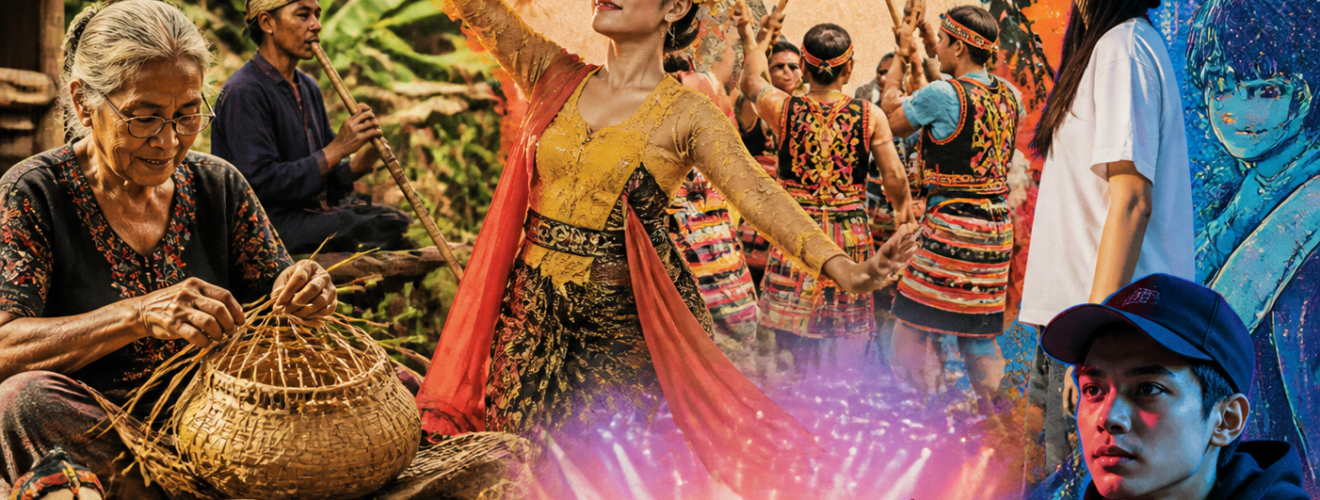
Culture is the sum of human experience. It includes how we act and what we believe. It defines our social groups. Geographers study how culture moves across the earth. They look at how it changes over time. We often divide culture into two main types. These are folk culture and popular culture. Each type shapes the human landscape in unique ways. This article explores these two concepts. It looks at how they start and how they spread. It also examines the impact they have on our world today.
Understanding Folk Culture
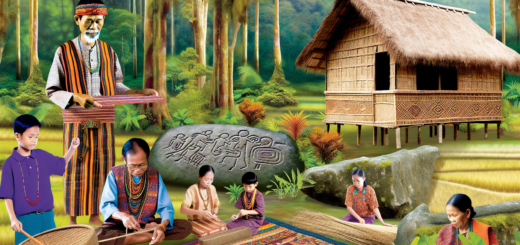
Folk culture is the set of customs found in small groups. These groups are usually rural and stay in one place. They are often cut off from other people. This isolation helps them keep their traditions alive. Folk culture is based on history. It is passed down through many years. It remains stable for a long time. People in these groups share the same values. They often wear the same types of clothes. They eat the same kinds of food. These choices depend on the local environment.
The Origins of Folk Traditions
Folk customs often have hidden origins. They do not have a clear start date. They also do not have a single person who started them. Most folk traditions come from daily life. They might start with an old story or a farm practice. These activities are tied to the local land. For example, a song might describe a local river. A house might be built from local trees. Folk culture grows out of the ground where people live. It reflects the weather and the soil of a specific spot.
How Folk Culture Spreads
Folk culture spreads very slowly. It moves through relocation diffusion. This means people move and take their culture with them. When a group migrates, they bring their music and recipes. They do not use the internet or TV to spread their way of life. Instead, they share it with their children. This process takes a long time. Because of this, folk culture stays in small areas. It creates a diverse map of the world. Each small valley might have its own unique style of dance or art.
The Nature of Popular Culture
Popular culture is very different from folk culture. It is found in large societies. These societies are very diverse. Popular culture covers wide areas of the world. It is based on rapid change. What is cool today might be old tomorrow. It does not focus on the past. Instead, it looks at the present and the future. Popular culture is driven by money and fame. It aims to reach as many people as possible. It makes people across the globe look and act alike.
The Rise of Global Trends
Popular culture has clear origins. We can often name the person who started a trend. A new song might come from a studio in a big city. A new fashion style might start on a runway in Paris. These ideas spread through hierarchical diffusion. They start in nodes of power. These nodes are usually large cities like New York or London. From there, the ideas move to smaller towns. Modern technology makes this happen fast. The internet allows a video to go global in minutes. This speed is a key trait of popular culture.
The Impact of Mass Media
Mass media is the engine of popular culture. It includes TV, movies, and social media. These tools push the same ideas to everyone at once. This creates a global sense of fashion. People in Tokyo might wear the same shoes as people in New York. They might listen to the same pop stars. This creates a uniform landscape. It removes the unique feel of local places. Some people call this the “placelessness” of modern life. It makes every city look like every other city. Fast food signs and glass buildings become the same everywhere.
Material Culture and the Environment
Material culture includes the things people build and use. Food and housing are two great examples. These things show the contrast between folk and pop styles. Folk groups use what the earth provides. They build homes from mud, stone, or wood. They eat what they can grow in their specific climate. This keeps their footprint small. They respect the limits of the land. Their diet is often based on local plants that grow well nearby.
Modern Consumption Patterns
Popular culture changes how we use the land. It demands the same products everywhere. This puts a lot of stress on the planet. For example, people might want to eat beef even in places where cows do not live naturally. This requires shipping food across the ocean. It also leads to huge farms that take up a lot of space. Popular culture also produces a lot of waste. Trends move so fast that people throw away old clothes and gadgets. This creates a cycle of high consumption. It often harms the natural environment more than folk traditions do.
The Design of Human Shelter
Housing also shows this split. Folk houses are built for the weather. In hot places, houses have thick walls to stay cool. In snowy places, they have steep roofs to shed snow. Popular housing is different. It is often mass-produced. Modern homes look the same regardless of the climate. We use air conditioning to fix the heat. This allows us to build the same style of house in the desert and the forest. This shows how popular culture tries to control nature. It does not try to fit into it like folk culture does.
The Future of Cultural Diversity
Globalization is the biggest threat to folk culture. As popular culture spreads, folk traditions often fade away. Young people may prefer modern music over old folk songs. They may want to move to the city for jobs. This can cause ancient languages and skills to vanish. This loss is a concern for many scientists. When a folk culture dies, we lose a part of human history. We lose unique ways of solving problems. We also lose a deep tie to the local land.
Preserving Our Heritage
There is a move to save folk traditions. Many groups work to record old stories and songs. They try to keep local languages alive in schools. Some people also choose to live a folk lifestyle on purpose. They might avoid modern tech to stay close to their roots. This struggle between the old and the new defines our era. We must find a way to enjoy global tools without losing our local souls. A world with only one culture would be very boring. Diversity makes the human story rich and interesting.
A Balanced Perspective
Both folk and popular cultures have value. Popular culture brings people together. it allows us to share ideas across borders. It drives science and art forward at a high speed. Folk culture gives us a sense of home. It reminds us of where we came from. It teaches us how to live in harmony with our local world. The best future might be one where both can exist. We can use the internet to learn about folk arts. We can use modern tools to help local groups thrive. Understanding these two forces helps us navigate the modern world.
Conclusion
Folk and popular culture are two sides of the human coin. One is small, old, and tied to the land. The other is big, new, and spans the globe. They differ in how they start and how they spread. Folk culture offers deep roots and local flavor. Popular culture offers rapid change and global unity. Today, globalization makes it hard for folk traditions to survive. Yet, these traditions are vital for our identity. By studying both, we see the full picture of human life. We learn to value the unique while enjoying the global. This balance is the key to a healthy global society.
Sources
Bell, P. A., & Valentine, G. (1997). Consuming geographies: We are where we eat. Routledge.
Fellmann, J., Getis, A., & Getis, J. (2010). Human geography: Landscapes of human activities (12th ed.). McGraw-Hill Education.
Rubenstein, J. M. (2019). The cultural landscape: An introduction to human geography (13th ed.). Pearson.
Storey, J. (2021). Cultural theory and popular culture: An introduction (9th ed.). Routledge.