
Inside Our Bodies: How Muscles, Bones, Heart, and Brain Work as a Team
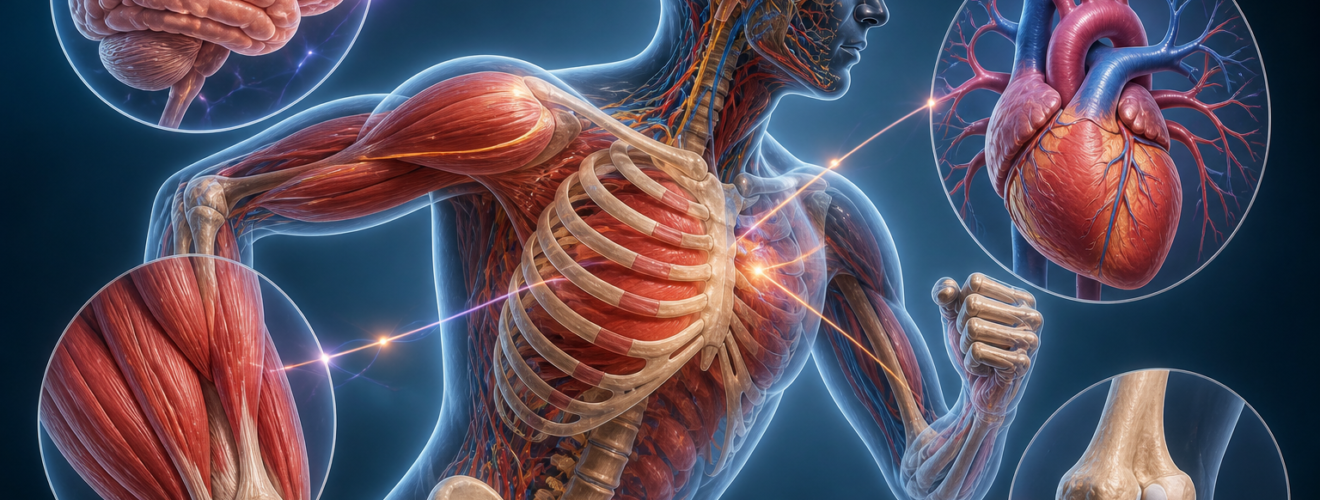
The human body is a marvel of natural design. It works through a complex web of systems. These systems do not function in isolation. Instead, they work as a unified team to maintain life. The brain, heart, muscles, and bones form the core of this group. Each part has a specific role. However, their true power comes from how they interact. This article explores how these vital components coordinate their efforts. We will look at the science behind their teamwork. Understanding this link helps us appreciate the health of the whole body. A professional view of anatomy shows a high level of order. Every beat and every thought relies on this deep connection. This system ensures we can move, think, and thrive in our world.
The Brain as the Command Center
The brain acts as the primary control hub for the body. It belongs to the central nervous system. This organ processes data from the world around us. It also monitors the internal state of the body. The brain communicates with other organs using electrical signals. These signals travel through a vast network of nerves. Without the brain, the other systems would lack direction. It tells the heart how fast to beat. It tells the muscles when to contract. This control is often automatic. We do not have to think about breathing or our heartbeat. The brain handles these tasks through the autonomic nervous system. This allows the body to focus on complex actions like learning or solving problems.
Neural Integration and Signaling
Communication is key to any successful team. The brain uses neurons to send and receive messages. These cells carry impulses at very high speeds. When you decide to walk, the brain sends a signal to your legs. This happens in a fraction of a second. The brain also receives feedback. If a surface is hot, the skin sends a warning to the brain. The brain then tells the muscles to pull away. This loop of data is constant. It keeps the body safe and functional. Professional studies show that this neural path is highly efficient. It links the mind directly to physical action. This bond is the foundation of all human behavior and physical movement.
The Heart and the Vital Supply Chain
The heart is the engine of the cardiovascular system. Its main job is to pump blood throughout the body. This blood is the primary mode of transport for vital goods. It carries oxygen from the lungs to the brain and muscles. It also delivers nutrients and removes waste like carbon dioxide. The heart must work without rest for an entire lifetime. It responds to the needs of the other systems. If the muscles are working hard, the heart beats faster. This ensures the muscles have enough fuel to keep moving. The brain closely monitors this process. It sends chemical and electrical cues to adjust the heart rate. This teamwork is essential for survival during stress or physical effort.
Circulation and System Support
Blood flow is like a highway system for the body. The heart pushes blood into the arteries. These vessels branch out to reach every cell. The brain requires a huge amount of blood to work well. Even though the brain is small, it uses much of the body’s oxygen. The heart prioritizes the brain to keep us conscious and alert. At the same time, the heart supports the skeletal system. It sends minerals like calcium to the bones to keep them strong. The muscles also rely on the heart for energy during exercise. This constant flow creates a stable internal environment. This state is known as homeostasis. It is the goal of all bodily systems to keep this balance.
The Musculoskeletal System in Action
Muscles and bones work together to provide structure and movement. This pair is known as the musculoskeletal system. Bones provide the rigid frame that supports the body. They also protect vital organs like the brain and the heart. Muscles are attached to these bones by tendons. When a muscle pulls on a bone, movement occurs. This system is the mechanical arm of the brain’s commands. However, it does more than just move the body. Bones are also living tissue. They store minerals and produce blood cells. Muscles help to generate heat. This helps the heart maintain a steady body temperature. This system is a clear example of how form meets function in biology.
Movement and Feedback Loops
Movement is a team effort between the brain and the muscles. Sensory organs in the muscles send data back to the brain. This data tells the brain about the position of the limbs. This is called proprioception. It allows us to move in the dark or close our eyes and still know where our hands are. The bones provide the leverage needed for these moves. The heart supports this by increasing blood flow during activity. This cycle shows that no system works alone. The bones give the frame, the muscles provide the force, and the heart provides the fuel. The brain coordinates every part of this process. This synergy allows for fine motor skills like writing or gross skills like running.
The Synergy of the Four Systems
When we look at exercise, we see all four systems in perfect sync. The brain starts by deciding to run. It sends signals to the leg muscles to start moving. As the muscles contract, they use up oxygen and produce heat. The heart senses the drop in oxygen through the brain’s sensors. It then pumps faster to meet the new demand. The bones act as sturdy levers to handle the impact of each step. The brain also manages balance and coordination during the run. It uses data from the eyes and ears to keep the body upright. This is a high-speed dance of biological data and physical force. Each system adjusts its output based on what the others are doing. This makes the human body one of the most efficient machines on earth.
The Role of Chemical Messengers
The team also uses chemicals called hormones to talk. The endocrine system works with the brain to release these signals. For example, adrenaline can make the heart beat faster during a race. It also tells the muscles to prep for quick action. This chemical talk is slower than electrical signals but lasts longer. It helps the systems stay aligned over a long period. The bones even release hormones that help with energy use. This shows that bones are not just passive poles. They are active players in the body’s internal talks. The heart also releases factors that help the kidneys manage fluid. This complex web of signals keeps the team working toward the same goal. That goal is the health and safety of the whole person.
Conclusion and Future Health
The brain, heart, muscles, and bones are a powerful team. Their health is linked in ways we are still learning about. When we exercise, we help all four systems at once. We strengthen the heart and the muscles. We build bone density and improve brain function. A problem in one system can affect the others. For instance, a weak heart can lead to brain fog or muscle fatigue. This is why a holistic view of health is so important. We must care for each part to keep the whole team strong. Science continues to show the depth of these links. By understanding how they work as a team, we can make better choices for our lives. The human body is more than just a sum of parts. It is a living proof of perfect teamwork.
Sources
Hall, J. E., & Hall, M. E. (2020). Guyton and Hall Textbook of Medical Physiology (14th ed.). Elsevier.
Marieb, E. N., & Hoehn, K. (2018). Human Anatomy & Physiology (11th ed.). Pearson.
Standring, S. (2020). Gray’s Anatomy: The Anatomical Basis of Clinical Practice (42nd ed.). Elsevier.
Widmaier, E. P., Raff, H., & Strang, K. T. (2018). Vander’s Human Physiology: The Mechanisms of Body Function (15th ed.). McGraw-Hill Education.