What Belongs in the Recycling Bin?
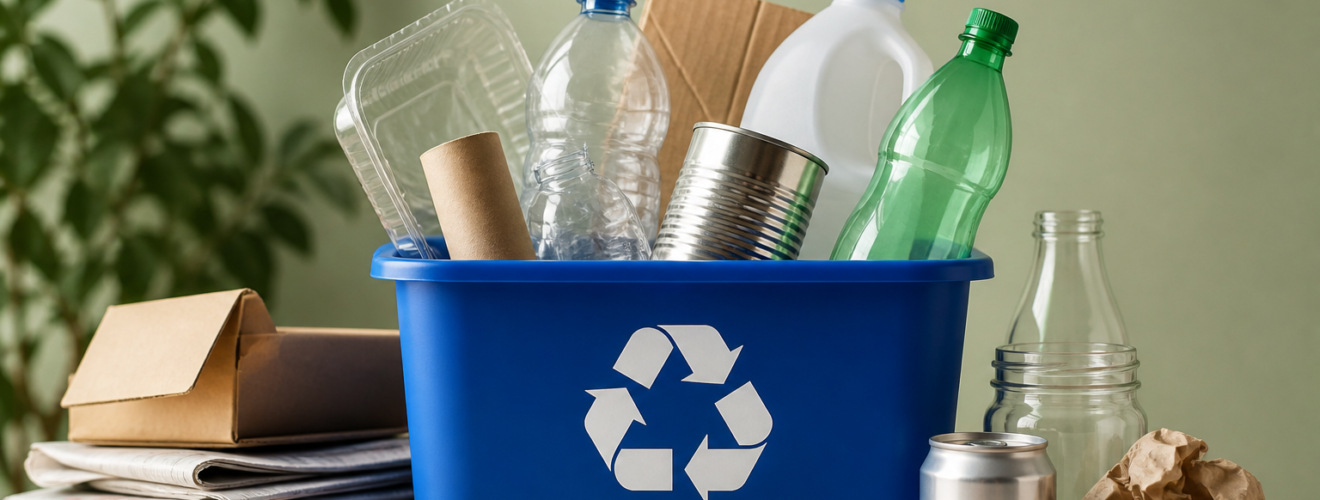
Waste management is a critical part of modern life. It helps protect the natural world. It also preserves resources for future generations. Recycling is a core part of this effort. However, the process is often misunderstood. Many people want to help the planet. They place items in bins with good intent. Yet, poor choices can lead to system failures. This article looks at what items truly belong in the recycling bin. It provides a clear guide for effective waste disposal. Following these rules ensures that materials gain a second life. It also keeps the recycling stream clean and functional.
The Core Categories of Recyclable Materials
Recycling programs usually focus on a few main groups. These include paper, plastic, metal, and glass. Each group has its own set of rules. Understanding these rules is the first step toward better habits. Most local facilities handle these items with ease. However, the quality of the material matters a great deal. Clean and dry items are the standard for any bin. If an item is dirty, it may be rejected. This causes waste even when we try to save it.
Paper and Cardboard Products
Paper is one of the most common items in the waste stream. It is also very easy to recycle. Most office paper and mail can go straight into the bin. Cardboard is also highly valuable. Boxes should be flattened before they are placed in the bin. This saves space in the truck and at the facility. You should also remove any plastic wrap or foam. These parts are not recyclable with paper. A key rule for paper is that it must be dry. Wet paper fibers are hard to process. They often break down during the sorting phase. If paper gets wet, it loses its market value. Therefore, keeping your bin closed during rain is vital.
Common Plastic Containers
Plastics are more complex than paper. There are many types of resin used in modern packaging. Most bins accept bottles and jugs. These are often marked with the numbers one or two. PET and HDPE plastics have a strong market. They can be turned into new bottles or even clothes. However, many other plastics are not as useful. Thin films and plastic bags should never go in a curbside bin. They are known as tanglers in the industry. They get caught in the sorting gears. This can stop the entire factory. Always check the shape of the plastic item. Bottles and tubs are usually safe. Bags and wraps should be taken to a store drop-off instead.
Metals and Glass
Metals are the stars of the recycling world. Aluminum cans can be recycled forever. This process uses much less energy than making new metal. Steel and tin cans are also very useful. You should rinse these containers before recycling them. Food residue can attract pests and create odors. Glass is another material that lasts forever. It can be melted and reshaped many times. Most programs accept clear, green, and brown glass. You should avoid putting broken window glass or mirrors in the bin. These items have different melting points. They can ruin a whole batch of new glass bottles.
The Problem of Contamination
Contamination is the biggest threat to recycling. It happens when non-recyclable items enter the stream. It also happens when food or liquid spills on clean items. When a batch is contaminated, it may go to a landfill. This wastes the effort of everyone involved. One common cause of this is wishcycling. This is when people put items in the bin because they hope they can be recycled. While the intent is good, the result is harmful. It adds cost to the system. It also reduces the quality of the final recycled product. To avoid this, we must be strict about what we toss. If you are not sure, it is often better to throw it away.
Food Waste and Residue
Food is a major contaminant in recycling bins. A pizza box with grease is a classic example. The cardboard is fine, but the grease is not. Oil cannot be removed from paper fibers easily. This can ruin the pulp during processing. Always scrape out food from plastic and metal. A quick rinse is usually enough. You do not need to use soap. Just make sure the item is mostly clean. This small step makes a huge difference. It keeps the other items in the bin from getting dirty as well.
Hazardous and Dangerous Materials
Some items are dangerous for workers. These should never go in a standard bin. Batteries are a major concern. They can cause fires in the trucks or at the plant. Lithium-ion batteries are especially risky. Medical waste like needles is also a threat. These items require special handling. Most cities have drop-off sites for toxic waste. Chemicals and old paint also belong at these sites. Keeping these out of the bin protects the health of the staff. It also ensures that the recycling facility stays safe and open.
Best Practices for a Better System
An effective recycling system relies on simple actions. First, know your local rules. Every city has its own list of accepted items. These rules can change as technology gets better. Second, keep items loose. Do not bag your recyclables. Machines need to see the individual items to sort them. Plastic bags prevent this from happening. Third, think about the life of the product. Can it be used again before it is recycled? Reuse is often better than recycling. It saves more energy and reduces waste.
In conclusion, recycling is a powerful tool for sustainability. It works best when we follow the guidelines. Paper, clean plastic containers, and metal cans are the core items. We must avoid wishcycling and keep our bins free of food. By doing this, we help create a circular economy. This protects our planet and saves our resources. Each person has a role to play in this system. Simple choices today lead to a cleaner world tomorrow. Professional waste management is a team effort between the city and its people.
Sources
Environmental Protection Agency. (2023). Recycling basics and benefits. https://www.epa.gov/recycle/recycling-basics-and-benefits
The Recycling Partnership. (2022). The state of residential recycling in the United States. https://recyclingpartnership.org/state-of-recycling/
World Wildlife Fund. (2021). The life cycle of plastics: From production to waste. https://www.worldwildlife.org/magazine/issues/fall-2021/articles/the-lifecycle-of-plastic