
Our Five Primary Senses: How We Experience and Protect the World Around Us
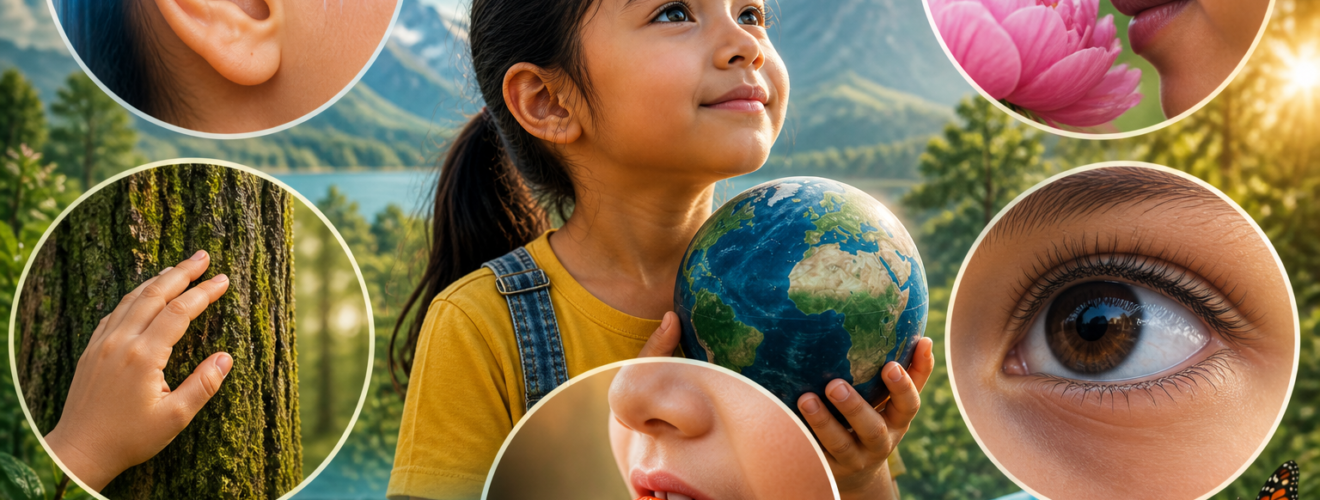
Human beings experience the world through five primary sensory systems. These systems allow us to gather data from our surroundings. They help us understand what is happening around us. The five senses include sight, hearing, smell, taste, and touch. Each sense works in a unique way to send signals to the brain. These signals help us make decisions and stay safe. Without our senses, we could not enjoy a meal or hear a song. We would also find it hard to avoid danger. This article looks at how each sense works. It also explains how we can protect our sensory health. Understanding these systems is the first step to keeping them strong for a long time. Our senses are the tools we use to learn about life every single day.
The Visual System: Our Window to the World
Sight is often considered the most dominant human sense. It relies on the eyes and the brain working together. Light enters the eye through a clear front layer called the cornea. It then passes through the pupil and the lens. The lens focuses the light onto the retina at the back of the eye. The retina is full of special cells that catch light. These cells change light into electrical signals. The optic nerve then carries these signals to the brain. The brain processes the signals into the images we see. This entire process happens in an instant. It allows us to see colors, shapes, and movement. Sight helps us navigate our homes and cities. It also allows us to recognize faces and read important information.
Protecting our vision is vital for long-term health. One of the best ways to protect the eyes is to wear sunglasses. Dark lenses block harmful ultraviolet rays from the sun. These rays can hurt the eyes over time. Another tip is to follow the 20-20-20 rule. This means every 20 minutes, you should look at something 20 feet away for 20 seconds. This simple habit helps reduce eye strain from computer screens. Eating a balanced diet is also helpful. Foods like leafy greens and fish provide nutrients that support eye health. Finally, regular eye exams are important. A doctor can find vision problems early. Early care can prevent vision loss as people get older. Keeping your eyes healthy ensures you can see the beauty of the world clearly.
The Auditory System: The Science of Sound
The sense of hearing allows us to catch sounds from the environment. Sound is actually made of waves that move through the air. The outer ear acts like a funnel to catch these waves. The waves travel down the ear canal to the eardrum. When sound hits the eardrum, it vibrates. These vibrations move three tiny bones in the middle ear. These are the smallest bones in the human body. They send the vibrations to a snail-shaped part called the cochlea. Inside the cochlea, tiny hairs move and create electrical signals. The brain receives these signals and tells us what we are hearing. This could be a voice, music, or a car horn. Hearing is a key tool for communication and safety.
Hearing loss is a common problem, but it can be prevented. The most important step is to avoid very loud noises. If you listen to music through headphones, keep the volume at a safe level. A good rule is to keep the volume below 60 percent. If you work in a noisy place, you should wear earplugs. Loud machines can cause permanent damage to the tiny hairs in the ear. Once these hairs are damaged, they do not grow back. It is also good to give your ears a rest. Spending time in quiet places helps the auditory system recover. If you notice a ringing in your ears, it might be a sign of damage. Seeing a hearing expert can help you keep your ears in top shape for many years.
The Olfactory System: How We Smell
The sense of smell is also known as olfaction. It begins when we breathe in air through the nose. This air contains tiny molecules from the objects around us. These molecules land on a special patch of tissue inside the nose. This tissue is called the olfactory epithelium. It has many receptors that detect different scents. When a scent is found, signals travel directly to the brain. Smell is unique because it is closely linked to the parts of the brain that handle memory and feelings. This is why a certain smell can remind you of a place from your childhood. Smell also warns us of danger. For example, we can smell smoke from a fire or gas from a leak. It is a powerful warning system.
To protect your sense of smell, you should avoid strong chemicals. Some cleaning products have fumes that can irritate the inside of the nose. It is best to use these products in rooms with open windows. Smoking is also very bad for the sense of smell. It can dull the receptors and make it hard to detect scents. Staying hydrated is another way to support this sense. Water keeps the lining of the nose moist, which helps the receptors work better. If you have a cold or allergies, you might lose your sense of smell for a short time. This is usually normal. However, if your sense of smell does not come back, you should talk to a doctor. Keeping the nose healthy helps us enjoy the many scents of nature.
The Gustatory System: The Sense of Taste
Taste allows us to judge the quality and safety of our food. This sense is located on the tongue. If you look closely at your tongue, you will see many small bumps. These are called papillae. Inside these bumps are taste buds. Each taste bud has receptors that respond to chemicals in food. There are five basic tastes that humans can detect. These are sweet, salty, sour, bitter, and savory. Taste helps us find foods that give us energy, like sweet fruits. It also warns us about foods that might be spoiled or poisonous. Many toxic things in nature have a very bitter taste. This tells our brain not to eat them. Taste and smell work together to create the full flavor of a meal.
Taking care of your taste buds starts with good mouth health. You should brush your teeth and your tongue every day. This removes bacteria that can dull your sense of taste. It is also wise to avoid eating food that is extremely hot. Burning the tongue can damage the taste buds. While they do grow back every few weeks, frequent burns can cause issues. Reducing the amount of salt and sugar in your diet can also help. When you eat less salt, your taste buds become more sensitive to it. This allows you to enjoy the natural flavor of food more. Finally, drinking plenty of water helps keep the mouth clean. A healthy mouth ensures that every meal is a pleasant experience.
The Somatosensory System: The Power of Touch
Touch is the only sense that is spread across the entire body. It is found in the skin, which is the largest organ we have. The skin contains millions of tiny receptors. Some of these receptors feel light pressure. Others feel deep pressure, heat, cold, or pain. These receptors send data through the nerves to the brain. Touch is vital for many parts of life. It helps us feel the texture of a soft blanket or a rough stone. It also helps us feel when something is too hot to touch. Pain is a very important part of this system. Even though pain feels bad, it tells us that our body is in danger. It tells us to pull our hand away from a hot stove. This protects us from serious injury.
Protecting the skin is the best way to protect the sense of touch. Sunscreen is one of the most important tools for skin health. It prevents burns from the sun that can damage nerve endings. Using lotion is also helpful, especially in cold weather. Lotion stops the skin from getting too dry or cracking. When the skin is healthy, the receptors can work as they should. You should also be careful with sharp tools and hot objects. Wearing gloves when working with chemicals or rough materials can prevent injury. Washing your hands often also keeps the skin free from germs. By taking care of your skin, you ensure that your body can continue to feel the world around you safely.
Conclusion: The Harmony of the Senses
Our five senses work together as a team. They provide us with a full picture of our environment. When we eat an apple, we see its red color, hear the crunch, and taste the sweetness. We also feel its smooth skin and smell its fresh scent. All five senses help us enjoy life to the fullest. They also act as a shield to keep us safe from harm. By following simple health tips, we can protect these systems. Wearing sunglasses, using earplugs, and eating well are easy steps to take. Our sensory health is a key part of our total well-being. We should never take our ability to see, hear, smell, taste, or touch for granted. Taking care of our senses today helps us experience the world for many years to come.
Sources:
American Psychological Association. (2020). Sensation and perception. https://www.apa.org/topics/sensation-perception
Cleveland Clinic. (2023). Somatosensory system. https://my.clevelandclinic.org/health/body/24892-somatosensory-system
Mayo Clinic. (2022). Taste and smell disorders. https://www.mayoclinic.org/diseases-conditions/taste-smell-disorders/symptoms-causes/syc-20355141
National Eye Institute. (2023). Keep your eyes healthy. https://www.nei.nih.gov/learn-about-eye-health/healthy-vision/keep-your-eyes-healthy
National Institute on Deafness and Other Communication Disorders. (2022). How do we hear? https://www.nidcd.nih.gov/health/how-do-we-hear