Why Washing Our Hands Keeps Us Safe
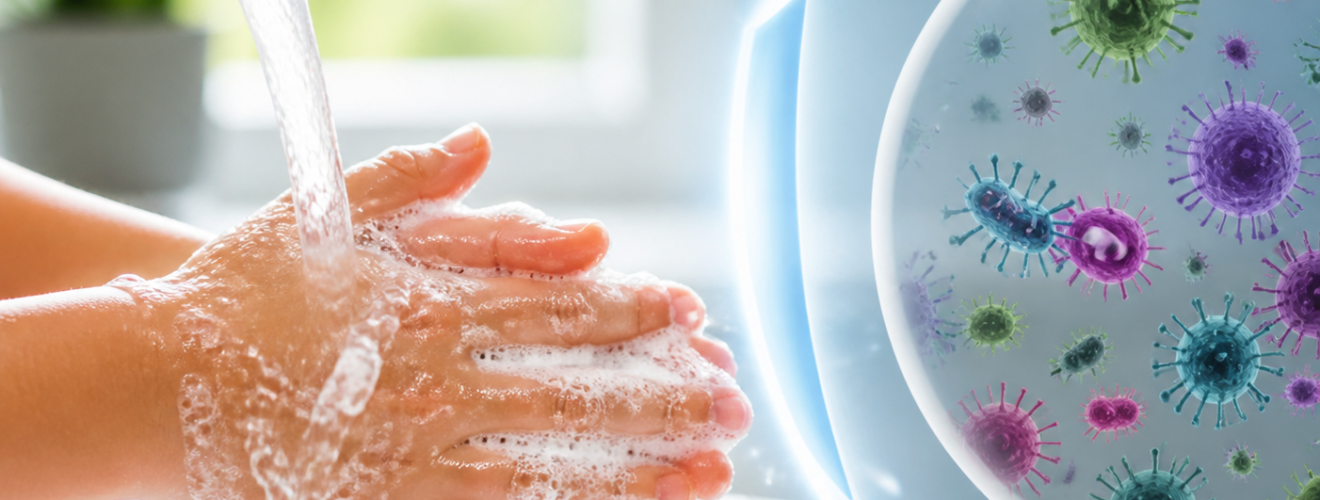
Hand hygiene is a basic yet vital part of public health. It is often the first line of defense against many types of illness. For many years, medical experts have stressed the need for clean hands. This practice is not just about personal care. It is a critical tool used to stop the spread of germs in our homes, schools, and hospitals. When we wash our hands, we perform a simple act that has a deep impact on global health. This article explores why this habit is so effective. It looks at the science of how soap works and the ways it protects our bodies from harm.
The history of handwashing shows its value in saving lives. In the middle of the 19th century, Dr. Ignaz Semmelweis found a link between clean hands and lower death rates in hospitals. He saw that doctors who washed their hands before seeing patients saved more lives. Since then, the medical world has built on this knowledge. Today, hand hygiene is seen as one of the most cost-effective ways to prevent disease. It is a core part of modern medicine. By following this simple routine, we can lower the risk of infection for ourselves and those around us.
The Chemistry of Soap and Water
To understand why washing our hands keeps us safe, we must look at the science of soap. Soap is a unique tool created through a process called saponification. Soap molecules are amphiphilic. This means they have two distinct ends. One end is hydrophilic, which means it loves water. The other end is hydrophobic, which means it avoids water and clings to fats and oils. This dual nature is what makes soap so effective at cleaning. It allows soap to interact with both the water we use and the oils on our skin that trap dirt and germs.
How Soap Destroys Germs
Many harmful germs, such as certain viruses and bacteria, have an outer layer made of lipids. This layer is essentially a fatty membrane that protects the genetic material of the microbe. When you use soap, the hydrophobic ends of the soap molecules attach to this fatty layer. They act like tiny crowbars. They wedge themselves into the lipid envelope and pull it apart. Once the outer shell of the germ is broken, the microbe falls apart and becomes inactive. This process is very fast and efficient. It turns a dangerous pathogen into a harmless piece of biological debris.
The Role of Water and Friction
While soap does the heavy lifting of breaking down germs, water and friction are also key. Friction occurs when you rub your hands together. This physical action helps to loosen dirt, grease, and microbes from the skin. It ensures that the soap reaches all parts of the hands, including the spaces between fingers and under fingernails. Once the soap has trapped the dirt and destroyed the germs, water rinses everything away. Without water, the broken bits of germs would stay on your skin. Together, soap, water, and friction form a powerful system for removal. This system is much more effective than using water alone.
Preventing the Transmission of Disease
Germs can spread in many ways, but our hands are a primary vehicle for transport. We touch many surfaces every day, such as doorknobs, screens, and railings. These surfaces can host a wide variety of pathogens. Once our hands touch a dirty surface, we may then touch our face. Humans tend to touch their eyes, nose, and mouth many times each hour. These areas are entry points for germs to get into the body. By washing our hands, we break this chain of transmission. We remove the germs before they have a chance to make us sick.
Impact on Respiratory and Enteric Health
Research shows that handwashing significantly lowers the rate of respiratory and enteric diseases. Enteric diseases, such as those that cause diarrhea, are often spread through the fecal-oral route. Studies suggest that washing hands with soap can reduce the risk of diarrheal diseases by about 30 to 48 percent. This is a huge number when we consider how many people suffer from these issues worldwide. Similarly, hand hygiene helps prevent respiratory infections like the common cold or the flu. It reduces the spread of these illnesses by about 20 percent. These stats show that clean hands are a shield against a wide range of common health problems.
Protecting Vulnerable Groups
Handwashing is not just about the person doing the washing. It also protects the people around them. This is especially true for vulnerable groups. This includes young children, the elderly, and people with weak immune systems. For these groups, a common cold or a minor stomach bug can be very dangerous. When healthy adults wash their hands, they act as a barrier. They prevent the spread of germs to those who might not be able to fight off an infection easily. This concept is similar to community immunity. Each person who practices good hygiene helps keep the entire group safer.
Hand Hygiene and Global Health Security
Beyond individual health, handwashing plays a role in global health security. One of the biggest threats to medicine today is antimicrobial resistance. This happens when germs evolve to resist the drugs we use to kill them. When people get sick less often, they use fewer antibiotics. This slower use of medicine helps to prevent the rise of “superbugs.” By preventing infections before they start, handwashing helps keep our current medicines effective for a longer time. It is a simple tool that helps solve a very complex global problem.
The Importance of Education and Access
For handwashing to work on a large scale, people need both knowledge and resources. Public health campaigns are vital to teach the correct way to wash hands. Many people do not wash for long enough or forget to clean their thumbs and wrists. Experts suggest washing for at least 20 seconds. Access to clean water and soap is also a human rights issue. In many parts of the world, these basics are not always easy to find. Improving access to these resources is a key goal for global health groups. When everyone can wash their hands, everyone is safer from the threat of outbreaks.
Conclusion
In summary, the act of washing our hands is a cornerstone of modern safety. It is a process rooted in chemistry and proven by decades of medical research. By using soap and water, we can destroy pathogens and rinse them away. This simple habit prevents the spread of many diseases and protects the most vulnerable members of our society. It also helps in the fight against drug-resistant germs. While it may seem like a small task, its impact on the world is massive. To stay safe and keep others healthy, we must continue to value and practice good hand hygiene every day. It remains one of the most powerful tools we have to maintain public health.
Sources
Aiello, A. E., Coulborn, R. M., Perez, V., & Larson, E. L. (2008). Effect of hand hygiene on infectious disease risk in the community setting: A meta-analysis. American Journal of Public Health, 98(8), 1372-1381.
Centers for Disease Control and Prevention. (2020). Show me the science – Why wash your hands? Retrieved from https://www.cdc.gov/handwashing/why-handwashing.html
Curtis, V., & Cairncross, S. (2003). Effect of washing hands with soap on diarrhoea risk in the community: A systematic review. The Lancet Infectious Diseases, 3(5), 275-281.
Ejemot-Nwadiaro, R. I., Ehiri, J. E., Arikpo, D., Meremikwu, M. M., & Critchley, J. A. (2015). Hand washing promotion for preventing diarrhoea. Cochrane Database of Systematic Reviews, (9).
World Health Organization. (2009). WHO guidelines on hand hygiene in health care. World Health Organization.