Digital Citizenship and Netiquette: Navigating Safe Communication in Philippine Cyberspace
Digital Citizenship and Netiquette: Navigating Safe Communication in Philippine Cyberspace
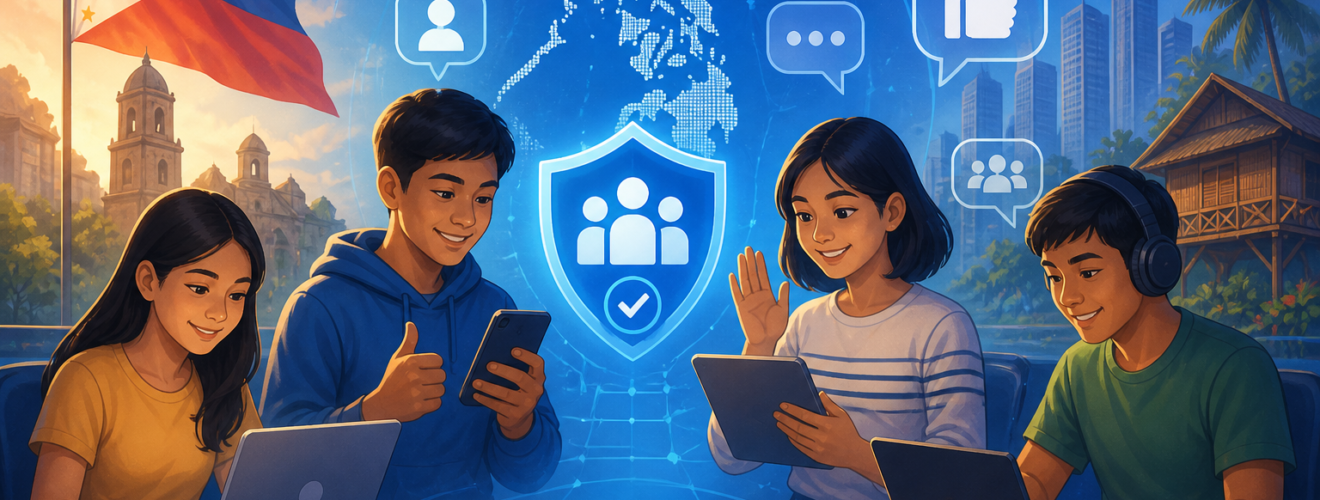
The digital age has changed how people interact in the Philippines. As one of the most active nations online, the country faces unique challenges. Millions of Filipinos use social media every day. This high level of activity creates a need for clear rules. Digital citizenship and netiquette are the tools we use to stay safe. These concepts help us act with respect and care in a virtual world. This article explores how these ideas apply to the Philippine context. It looks at the laws and habits that shape our online lives.
Digital citizenship is not just about having an internet connection. It is about being a responsible member of a digital community. In the Philippines, the internet is a vital part of daily life. We use it for work, school, and staying in touch with family. However, the online world can be a dangerous place without proper guidance. Netiquette serves as a code of conduct for this space. It ensures that communication remains polite and productive. By following these rules, we can build a better digital environment for everyone.
The Philippine Digital Landscape
The Philippines is often called the social media capital of the world. Statistics show that Filipinos spend many hours online each day. This high usage is driven by a young population and mobile technology. Most people access the web through smartphones and data plans. This constant connection makes the digital world a second home for many. It is where we share news, express opinions, and seek help. This environment requires a deep understanding of how to behave online.
The cultural traits of Filipinos also influence our digital habits. We value close ties and group harmony. This often leads to vibrant and supportive online groups. However, it can also lead to issues like group pressure or the spread of rumors. Cultural nuances like “pakikipagkapwa” or relating to others are present online. When we talk to others in cyberspace, we must carry these values with us. Respect for others is the foundation of any healthy community. This is true whether the meeting is in person or through a screen.
The Core Pillars of Digital Citizenship
Digital citizenship is built on several key pillars. The first pillar is digital literacy. This is the ability to find, evaluate, and share information. In an era of fake news, this skill is more important than ever. Users must learn to spot false reports and biased sources. A good digital citizen checks the facts before they click share. This helps prevent the spread of harmful misinformation in the country. It also protects the integrity of our public discussions.
The second pillar is digital security and privacy. This involves protecting personal data from hackers and scams. The Philippines has laws like the Data Privacy Act of 2012 to help with this. However, the law can only do so much. Users must also take steps to stay safe. This includes using strong passwords and being careful with what they post. We must understand that anything we put online can stay there forever. Protecting our digital footprint is a vital part of being a citizen today.
The third pillar is digital responsibility. This means being aware of the impact of our words. Every comment or post has a real-world effect. We must use our digital voices to build up rather than tear down. This includes respecting the intellectual property of others. Using someone else’s work without permission is a violation of these rules. By acting with integrity, we create a space where everyone feels safe to share their thoughts.
Practicing Proper Netiquette
Netiquette is a short way of saying network etiquette. It refers to the informal rules of behavior on the internet. A basic rule of netiquette is to remember that you are talking to a human. Behind every profile picture is a person with real feelings. It is easy to forget this when we are behind a keyboard. We should never say things online that we would not say to someone’s face. This simple rule can prevent many online conflicts and misunderstandings.
Another aspect of netiquette is being concise and clear. People online have short attention spans. Long and confusing messages can lead to frustration. Using proper grammar and spelling also helps. It shows that you value the time of the person reading your message. In the Philippines, “clout-chasing” or seeking attention at any cost is a common issue. Proper netiquette discourages this behavior. It promotes honest and meaningful interactions instead of superficial likes and shares.
Respecting privacy is also a major part of netiquette. One should never share someone else’s private details without asking. This includes tagging people in photos they might find embarrassing. In professional settings, netiquette is even more vital. Using professional language in emails and chats is expected. Avoiding the use of all caps is another common rule. Writing in all caps is often seen as shouting in the digital world. These small habits make online life much smoother for everyone involved.
Legal Frameworks and Online Safety
The Philippine government has passed laws to keep the cyberspace safe. The Cybercrime Prevention Act of 2012 is a key piece of legislation. It addresses crimes like identity theft, cyber-libel, and child pornography. This law gives the authorities the power to punish those who harm others online. Knowing these laws helps users understand the risks of bad behavior. It also provides a way for victims to seek justice. Law enforcement agencies have special units to handle these modern crimes.
Online harassment and cyberbullying are serious issues in schools and workplaces. These actions can lead to mental health struggles for victims. Digital citizenship teaches us to stand up against such behavior. We must be upstanders instead of mere bystanders. If we see someone being bullied, we should report it to the platform. We can also offer support to the person being targeted. Safe communication starts with a collective effort to stop toxic behavior. Promoting a culture of kindness is a goal we should all share.
The Future of Digital Communication
As technology evolves, our digital habits must evolve too. Artificial intelligence and new platforms will change how we interact. However, the core principles of respect and safety will stay the same. Digital citizenship will remain a key part of our education system. Schools in the Philippines are now teaching these skills to younger students. This is a positive step toward a more civil online society. When children learn these rules early, they become better netizens as they grow.
The goal is to create a Philippine cyberspace that is inclusive and safe. We want a place where information is shared freely and truthfully. This requires each user to take personal responsibility for their actions. We must think about the future of the internet we are building today. By following netiquette and practicing digital citizenship, we can make that future bright. Let us use technology to unite our people rather than divide them. A safe digital world is possible through our shared efforts.
Sources
Official Gazette of the Republic of the Philippines. (2012). Republic Act No. 10173: Data Privacy Act of 2012. https://www.officialgazette.gov.ph/2012/08/15/republic-act-no-10173/
Official Gazette of the Republic of the Philippines. (2012). Republic Act No. 10175: Cybercrime Prevention Act of 2012. https://www.officialgazette.gov.ph/2012/09/12/republic-act-no-10175/
Ribble, M. (2015). Digital citizenship in schools: Nine elements all students should know (3rd ed.). International Society for Technology in Education.
We Are Social & Meltwater. (2024). Digital 2024: The Philippines. https://datareportal.com/reports/digital-2024-philippines