Author: AraLipunan Writers
Matter is everything that surrounds us in the physical world. It exists in three primary states which are solids, liquids, and gases. In the study of chemistry, we often find that substances do not...
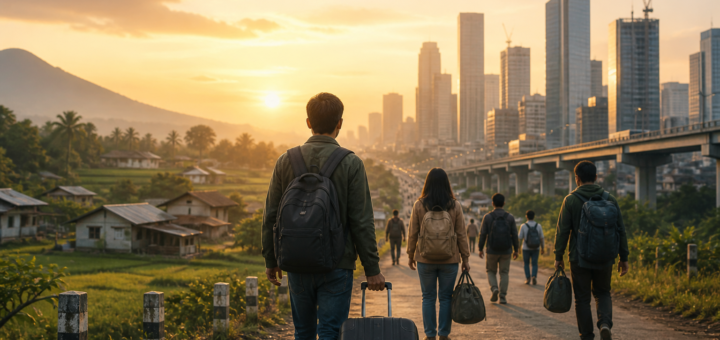
Internal migration refers to the process of people moving from one place to another within the borders of a single country. This movement is a vital part of modern life. It shapes the way...
Digital platforms have transformed the way people exchange ideas. In the past, public debate often took place in structured settings. Today, most discussions happen on social media sites. These spaces allow for quick and...
Ang pag-aaral ng wikang Filipino sa ikaapat na baitang ay isang mahalagang yugto sa paghubog ng kakayahan ng mga mag-aaral sa mabisang pakikipagtalastasan. Sa antas na ito, binibigyang-diin ang pag-unawa sa estruktura ng mga...
Mastering literacy skills in the fourth grade marks a major turning point in a child’s life. At this level, students move from learning how to read to reading to learn. This shift requires a...
Human migration is a global event that shapes our world. It refers to the movement of people from one place to another. This can happen over short or long distances. Some people move within...
In our world today, we see a lot of information. People share their thoughts on the web every second. It can be hard to know what is true. To find the truth, we must...
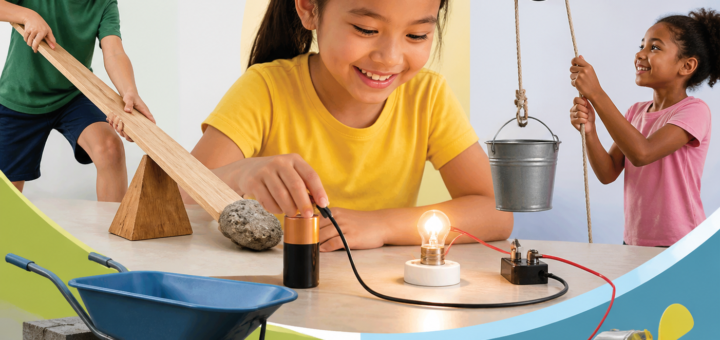
The study of physical science at the grade five level introduces students to the fundamental concepts of energy, force, and motion. Among the most vital components of this curriculum are simple machines and basic...
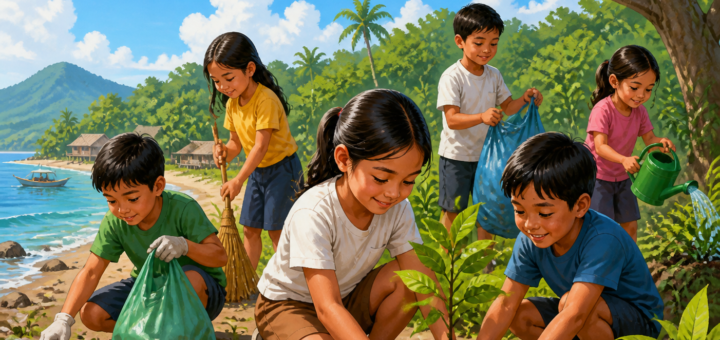
Ang usapin tungkol sa pangangalaga ng kalikasan ay isa sa mga pinakamahalagang paksa na itinuturo sa ilalim ng kurikulum ng Baitang 4 sa Pilipinas. Sa murang edad, mahalagang maunawaan ng mga mag-aaral na ang...
Standing in line is a common part of our daily lives. We see it at grocery stores, banks, and bus stops. Most people find waiting to be a slow and dull task. However, the...